Best Egg-Laying Chicken Breeds: Production Guide
Best Egg-Laying Chicken Breeds: Production Guide
Egg output is the single most common reason people start keeping chickens, and it is also the area where expectations and reality drift apart the fastest. The best egg-laying chicken breeds can fill a carton faster than most families can eat, while a poorly matched flock of the same size might leave you buying eggs at the store through half the year. Breed choice is not the only factor, but it sets the ceiling on what any flock can produce.
This page digs into how production actually varies between breeds, why hybrid layers and heritage lines behave so differently over a bird's lifetime, and how egg color, climate tolerance, and temperament factor into the decision. If you are still narrowing down the broader field of options, the chicken breeds guide covers the wider landscape of types and purposes. Here, the focus is narrower and deeper: which breeds are genuinely prolific, what trade-offs come with that productivity, and how to assemble a laying flock that performs across seasons rather than for one impressive summer.
Expect practical comparisons rather than a simple list. Numbers cited throughout reflect ranges commonly reported by hatcheries and breed associations, and real-world results routinely land below the top of those ranges depending on feed, daylight, housing, and the age of the birds.
What Actually Determines How Many Eggs You Get
Breed sets potential. Management determines how much of that potential you see. A high-production hybrid capable of 300 eggs in her first laying year may deliver 180 if she is crowded, underfed on protein, stressed by predator pressure, or housed where winter daylight drops below roughly ten hours without supplemental light.
Four factors do most of the heavy lifting once breed is chosen:
- Daylight hours. Laying is triggered by light reaching the hen's pineal gland. Production naturally tapers in late fall and rebuilds as days lengthen, regardless of how prolific the breed is on paper.
- Age. Nearly all layer chickens peak in their first full laying year, then decline by roughly 10 to 20 percent annually. A three-year-old hen from a prolific line may lay less than a first-year bird from a moderate breed.
- Nutrition. Layer feed at about 16 to 18 percent protein with adequate calcium supports shell formation. Heavy scratch grain or excessive kitchen scraps dilute that ration and quietly reduce output.
- Molt. Most hens stop laying entirely for four to eight weeks during their annual feather replacement, usually in autumn.
One frequently overlooked factor is flock stability. Adding new birds, moving a coop, or losing a dominant hen can interrupt laying for a week or more, and repeated disruptions add up over a season. If you've recently rearranged the coop or added birds and production drops sharply, it helps to know how to handle a chicken stopped laying after moving so you can rule out simple disruption before assuming illness. Chasing an extra 20 eggs per bird through breed selection makes little sense if the housing itself is the bottleneck.
Takeaway: Breed determines the maximum; feed, light, age, and stability decide how close you get. Fix the environment before blaming the genetics.
Egg Production by Breed: Comparison Table
Production Rates Across Popular Laying Breeds
The figures below represent commonly published annual ranges for well-managed first- and second-year hens. Treat them as relative rankings rather than promises.
| Breed | Typical eggs per year | Egg color | Temperament | Notable Trait |
|---|---|---|---|---|
| White Leghorn | 280–320 | White | Active, flighty | Highest feed-to-egg efficiency |
| Red Sex-Link (ISA Brown, Golden Comet types) | 280–320 | Brown | Calm, friendly | Sexable at hatch; early to start |
| Rhode Island Red | 250–300 | Brown | Confident, sometimes assertive | Hardy and widely available |
| Australorp | 250–290 | Light brown | Docile, quiet | Steady winter production |
| Barred Plymouth Rock | 200–280 | Brown | Gentle, sociable | Reliable dual-purpose body |
| Sussex (Speckled or Light) | 200–260 | Cream to light brown | Curious, tame | Good forager, long laying season |
| Golden Laced or Silver Laced Wyandotte | 180–240 | Brown | Independent, calm | Excellent cold tolerance |
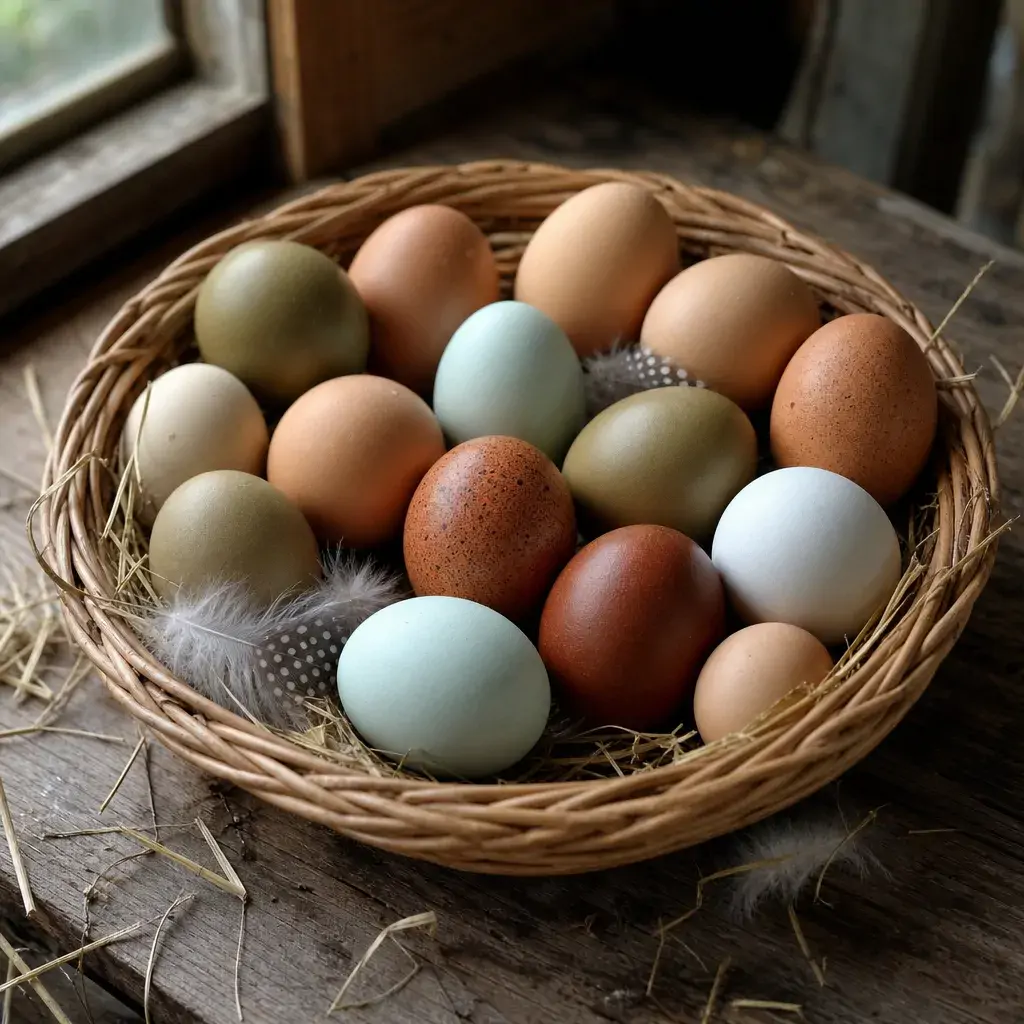
| Easter Egger | 200–260 | Blue, green, olive | Alert, friendly | Color variety without production loss |
| Buff Orpington | 180–220 | Light brown | Very docile | Broody tendency interrupts laying |
| Welsummer | 160–200 | Dark terracotta | Calm, hardy | Deeply pigmented, speckled eggs |
| Marans | 150–200 | Dark chocolate brown | Quiet, mellow | Prized shell color, moderate output |
Two patterns stand out. First, the gap between the most prolific and the moderately productive breeds is roughly 100 eggs per hen per year, which across a flock of six birds is around 50 dozen annually. That is a meaningful difference. Second, the breeds at the top of the list are not the ones with the most dramatic egg colors, which is the central trade-off most keepers eventually confront.
Takeaway: Ranking breeds by volume alone hides the trade-offs in egg color, longevity, and temperament that matter just as much in a small backyard flock.
Profiles of High-Production Egg Layers
White Leghorn: The Commercial Standard
Volume rankings are useful, but the character of each breed determines whether it fits a particular yard.
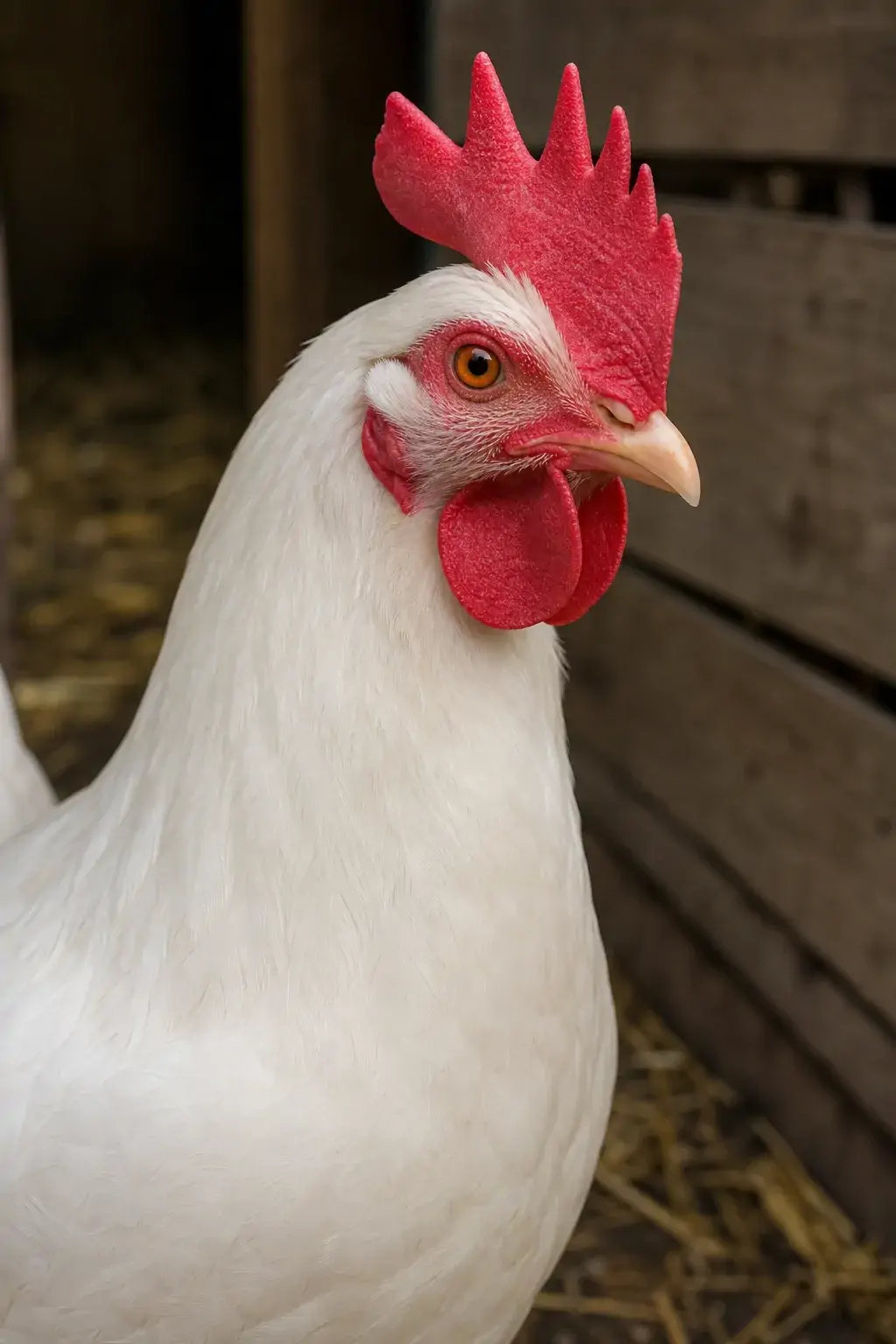
Still the benchmark for commercial white egg production, and for good reason: Leghorns convert feed into eggs with unmatched efficiency and rarely go broody. Their lean, small frame means less feed goes toward maintaining body mass. The trade-off is behavioral. Leghorns are alert, noisy, and quick to scatter, which makes them less appealing where children handle the birds. Their large single combs are also prone to frostbite in northern winters unless the coop stays dry and draft-free.
Red Sex-Link Hybrids: Early and Prolific
Marketed under many names, these crosses between a red-feathered male line and a silver-feathered female line produce chicks that can be sorted by color at hatch. They typically start laying around 18 to 20 weeks, sometimes earlier, and lay large brown eggs at a rate that rivals Leghorns while being noticeably calmer. Their limitation is longevity: many begin declining sharply after the second laying year, and reproductive issues are commonly reported in older hybrid hens.
Rhode Island Red: Legendary Productivity
Few breeds have influenced backyard flocks more. Production strains lay heavily, tolerate imperfect management, and forage well. Roosters and some hens can be pushy with flock mates, so mixing them with very timid breeds requires attention to space. The highest egg production chickens from this breed come from production lines, which diverge sharply from show-bred counterparts. For a deeper look at raising this classic breed, the Rhode Island Red chicken guide covers care, temperament, and production strains in more detail.
Australorp: Productive and Quiet
Developed in Australia from Orpington stock with production as the goal, the Australorp keeps laying through cold, gray stretches when other heavy breeds slow noticeably. Its glossy black plumage, calm nature, and quiet voice make it a strong choice for suburban lots with close neighbors. Output is slightly below hybrid levels but holds up better into the third and fourth years.
Barred Plymouth Rock: Balanced Utility
A classic American farm bird that balances steady laying with a substantial carcass. Rocks are unusually tolerant of handling and tend to sit comfortably in the middle of the pecking order, which makes them useful buffers in mixed flocks. They are also among the more forgiving breeds for first-time keepers learning to read a hen's condition.
Easter Egger: Color Without Compromise
Not a standardized breed but a category of birds carrying the blue-egg gene, usually descended from Araucana or Ameraucana crosses. Production is respectable, personalities are engaging, and each hen lays her own consistent shade somewhere in the blue-to-olive range. Because they are genetically variable, individual output differs more than in a fixed breed.
Speckled Sussex: Underrated Layers
An underrated option for keepers who want eggs and a long laying window. Sussex hens often continue producing later into autumn than heavier breeds, forage aggressively, and are notably people-oriented. Their speckled plumage also offers better camouflage from aerial predators than solid white feathering.
Takeaway: Among the prolific egg laying breeds, the real decision is usually between hybrid intensity in the short term and heritage consistency over four or five years.
Hybrid Layers vs Heritage Breeds: Long-Term View
Lifetime Production and Decline Patterns
Most comparisons stop at annual egg counts, which flatters hybrids. Looking at lifetime totals changes the picture in ways that matter for a backyard flock, where hens are often kept well past their peak.
A red sex-link might lay around 300 eggs in year one, 250 in year two, then drop off steeply. An Australorp or Plymouth Rock may start at 260 and decline more gently, still producing usefully in year four. Over five years, the totals converge far more than the first-year figures suggest, and heritage hens are less frequently associated with the reproductive complications reported in heavily selected commercial strains.
Production Strain Management Differences
There is also a practical management difference. Hybrids are bred for controlled conditions with balanced feed and consistent lighting. Give them a mixed diet heavy in treats or a drafty coop and their advantage narrows quickly. Heritage lines were selected under more variable farm conditions and often tolerate that variability better.
Self-Sufficiency and Breeding
Then there is replacement. Hybrids do not breed true, so raising your own chicks means buying new stock each cycle. A flock of standard-bred birds can reproduce itself if you keep a rooster, which matters to keepers aiming for self-sufficiency rather than maximum output.
Takeaway: Choose hybrids for the highest short-term yield and heritage breeds for durability, self-replacement, and a flatter decline curve.
Egg Color, Size, and Shell Quality
Shell Color and Production Timelines
Shell color has no bearing on nutrition or flavor, but it shapes buyer perception and household satisfaction. A carton of mixed blues, chocolates, and cream shades is one of the genuine pleasures of a backyard flock, and it is worth planning deliberately rather than hoping for variety.
A few things are commonly misunderstood. Dark-egg breeds like Marans and Welsummer lay their deepest color early in the laying cycle and progressively lighter eggs as the season advances; the pigment is applied late in shell formation and the supply is finite per cycle. Blue-egg genetics are dominant, so an Easter Egger crossed with a brown-egg breed often produces olive or green shades. And egg size increases as a hen matures, so the first several weeks of pullet eggs will be noticeably small.
Shell Quality and Calcium Management
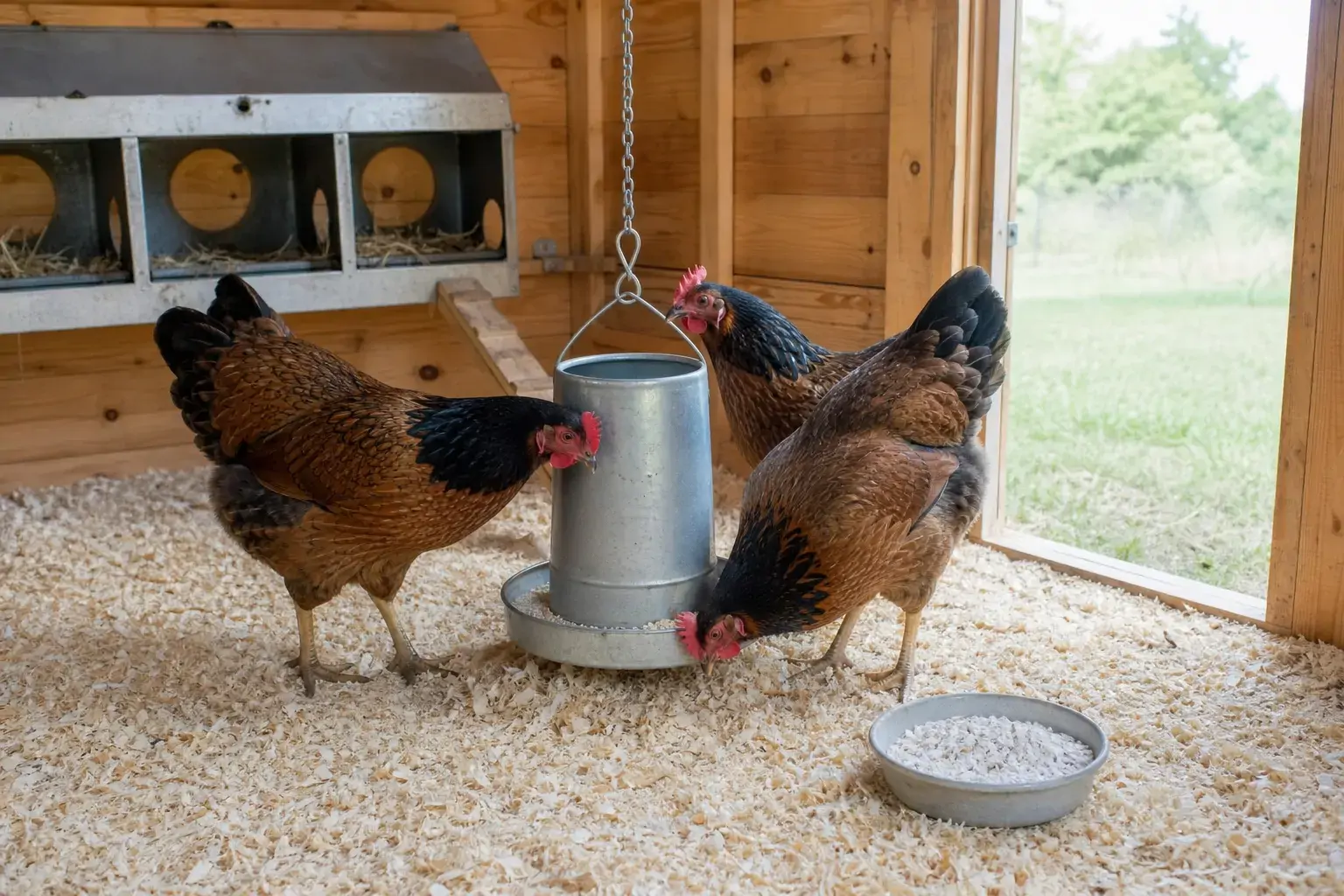
Shell quality deserves as much attention as color. Thin, rough, or misshapen shells are frequently linked to calcium availability, hydration, or heat stress, and offering crushed oyster shell in a separate dish lets individual hens self-regulate rather than forcing a single calcium level on the whole flock. Persistent shell abnormalities or a sudden change in egg appearance may indicate a problem and should be evaluated by a qualified professional.
Takeaway: Plan for color variety by adding one or two specialty layers to a most productive egg layers base flock, and treat shell quality as a management issue rather than a breed characteristic.
Common Mistakes When Choosing Layer Chickens
Certain missteps show up again and again in backyard flocks, and most are avoidable at the ordering stage. A solid chicken housing setup guide can help prevent many of these issues before they start.
- Overbuying based on peak numbers. Six high-production hens can yield well over 100 dozen eggs a year. Many keepers who order a dozen chicks end up giving eggs away or scaling back within two seasons.
- Ignoring climate fit. Large-combed Mediterranean breeds in Minnesota and heavy, densely feathered breeds in Arizona both underperform for predictable physiological reasons.
- Mixing extremes of temperament. Placing assertive production Reds with gentle, slow-moving Orpingtons in a tight run often leads to feather picking and stress-related laying pauses.
- Assuming broodiness is free. Breeds that go broody easily, including Orpingtons, Silkies, and some Cochins, stop laying for weeks at a time. That is an asset if you want natural hatching and a liability if you want eggs.
- Starting the whole flock at the same age. An all-same-age flock molts together and drops production together, sometimes to nothing for a month or more.
- Underestimating nest box competition. Prolific hens lay within a similar morning window, and too few boxes leads to floor eggs and broken shells.
Takeaway: Most disappointment with layer flocks comes from mismatched expectations and mixed temperaments, not from picking the wrong breed name.
Matching Prolific Breeds to Climate and Setup
Environment filters the breed list before productivity does. In hot regions, lighter-bodied birds with larger combs and wattles shed heat more effectively, which is why Leghorns, Andalusians, and Mediterranean types tend to keep laying through summer heat when heavy breeds stop. In cold regions, compact combs and dense plumage matter more, favoring Wyandottes, Chanteclers, Australorps, and Plymouth Rocks.
Space and containment also matter. Active foragers like Leghorns and Sussex hens use range well but test fencing and can clear low barriers. Heavier breeds stay put more readily, which suits small urban yards where flight over a four-foot fence creates real problems with neighbors.
Predator pressure is worth weighing too. White plumage is highly visible from the air. In areas with hawk activity, barred, speckled, or partridge-patterned birds blend into brush and shade more effectively — a small consideration that becomes significant if the flock free-ranges unsupervised.
Takeaway: A moderately productive breed suited to your climate will almost always out-lay a top-ranked breed struggling in the wrong conditions.
Health and Longevity in High-Production Layers
Physical Demands of Heavy Laying
Sustained heavy laying places real demand on a hen's body. Calcium is drawn continuously for shells, and the reproductive tract works nearly every day for months. Keepers of prolific layers commonly report a higher incidence of laying-related issues in the second and third years, particularly in hybrid strains selected for maximum first-year output.
Supportive Management for Layer Health
Practical support looks unglamorous: a consistent complete layer ration rather than heavy treat feeding, free-choice calcium, clean water available at all times, and a body-condition check by feel every few weeks, since feathers hide a great deal. Sudden laying stoppage outside of molt, a hunched posture, a swollen or firm abdomen, pale or shrunken comb, or an unusual change in droppings may indicate a problem and should be evaluated by a qualified professional.
Lifespan Planning
Longevity planning is part of the decision too. If hens are pets that will stay in the flock for six or seven years, breeds with a gentler production decline make more sense than hybrids that burn bright and fade. If the flock is managed on a rotation with birds replaced every two or three years, the calculation shifts toward maximum early output.
Takeaway: Heavy production and long life pull in opposite directions; deciding in advance how long hens will stay in the flock should guide breed choice.
Building a Flock That Lays Year-Round
Staggered Ages and Flock Composition
Steady supply comes from flock design, not from any single breed. Three strategies do most of the work.
Stagger ages. Adding two or three pullets every year or two means some birds are always in their productive prime while others molt. This alone smooths the deepest autumn troughs.
Blending Hybrid and Heritage Lines
Blend breed types. Pair one or two hybrids for volume with heritage breeds known for chickens for eggs high production through winter, such as Australorps or Wyandottes, plus a specialty layer for egg color. The flock produces reliably without being dependent on a single genetic line.
Light and Molt Management
Manage light and molt deliberately. Whether to add supplemental light is a judgment call — it maintains winter output but gives hens no natural rest period. Many keepers accept a winter dip in exchange for longer-lived birds. Either choice works, but drifting into it accidentally usually produces the worst of both.
Also plan for the surplus. Peak spring production from six good layers can exceed two dozen eggs a week. Knowing in advance whether the extra goes to neighbors, freezing, or preservation prevents the waste that sours a lot of new keepers on productive flocks.
Takeaway: A mixed-age, mixed-breed flock delivers more usable eggs across the calendar than an all-hybrid flock that peaks and crashes together.
Related Subtopics
To compare specific traits side by side across a wider range of birds, the egg production by breed chart lays out output, temperament, and size in one place. Keepers in northern states should also review which cold hardy chicken breeds maintain laying through short winter days, since that factor often outweighs raw production potential.
Final Thoughts
The best egg-laying chicken breeds are not a fixed list so much as a match between a bird's genetics and the conditions it will actually live in. Leghorns and red sex-links lead on pure volume. Australorps, Plymouth Rocks, Rhode Island Reds, and Sussex offer strong production with better longevity and easier temperaments. Marans, Welsummers, and Easter Eggers trade some output for eggs worth showing off.
Decide first how many eggs you genuinely need, how long you intend to keep each hen, and what your climate demands. Build the flock from there, keep feed and housing consistent, and stagger ages so the calendar works in your favor. Do that, and almost any of the prolific egg breeds above will keep the carton full.