Chicken Predators & Protection Guide for Backyard Flocks
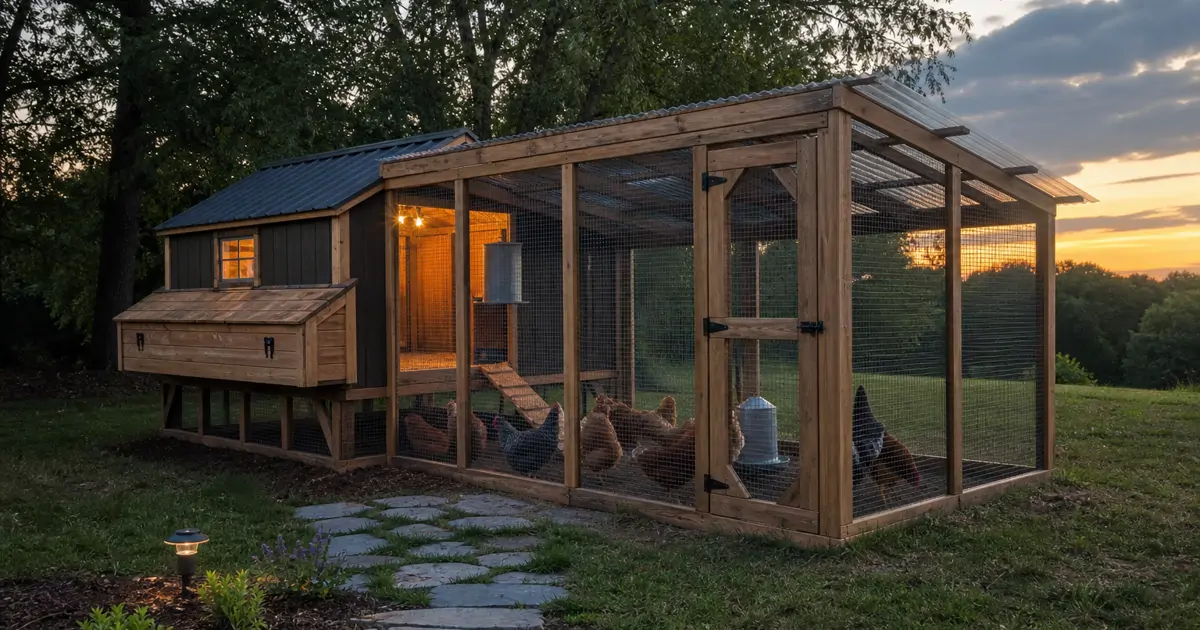
Chicken Predators & Protection Guide for Backyard Flocks
Every backyard flock, no matter how small or well-tended, shares one thing in common: something out there wants to eat it. Predators are not a rare inconvenience for chicken keepers — they are a constant, shifting challenge that changes with the seasons, the region, and even the time of day. A hawk that circles overhead in autumn poses a different threat than the raccoon that tests the coop door at midnight, and neither compares to the fox that studies a flock's routine for weeks before making a move.
This guide exists to help you understand the full scope of predator pressure on backyard chickens and to point you toward the specific resources that solve each part of the problem. Rather than trying to cram every detail about hawks, foxes, locks, and buried fencing into one page, this hub breaks the subject into manageable pieces so you can go directly to what matters for your situation right now.
By the end of this page, you should have a clear sense of which predators pose the biggest risk to your setup, what a genuinely predator proof chicken coop actually requires, and which of the more detailed articles in this cluster will answer your next question when it comes to backyard chicken safety.
Topic Overview
Predator protection for backyard chickens generally falls into three broad categories: knowing what you are up against, hardening the coop itself, and managing daily habits that either invite or discourage trouble. Many keepers start in the wrong place — buying an expensive lock before they have addressed a gap in the fencing, or worrying about hawks while raccoons are already testing the latch at night. A more useful approach is to think in layers.
The first layer is awareness. Different predators attack differently. Aerial predators strike during the day and rely on surprise. Ground predators, including foxes and dogs, often probe a property repeatedly before committing to an attack. Nocturnal predators depend on the cover of darkness and a keeper's routine of locking up late or not at all. Underground threats are easy to overlook entirely because the danger comes from below the run rather than through it.
The second layer is physical protection: the coop structure, the fencing material, the way the run is covered, and the hardware used to secure doors. The third layer is behavior — how quickly eggs are collected, whether feed is left out overnight, and how consistently the coop is closed at dusk. Building an effective chicken predator defense means addressing all three layers together, and the sections below will tell you which one to read first.
Understanding Common Predator Types
Before investing in any particular defense, it helps to know exactly what threatens chickens in your area. Predator behavior varies enormously by species, and a fence built to stop one animal may do nothing against another. A dedicated article on chicken predators walks through the most frequently encountered threats, how to recognize their presence, and how their habits differ. This is the natural starting point for anyone new to backyard flock ownership or anyone who has recently lost birds and wants to understand what they are dealing with.
Defending Against Hawks and Other Aerial Threats
Aerial attacks tend to happen fast, often in broad daylight, and can be devastating to free-ranging flocks. Readers dealing with a hawk that has been circling the property, or who simply want to prevent a first attack, will find focused guidance in the article on protecting chickens from hawks. That piece covers overhead coverings, timing of free-range access, and the visual cues that suggest a raptor has taken interest in a flock.
Defending Against Foxes and Ground-Based Predators
Foxes are patient, clever, and capable of exploiting even small structural weaknesses in a run. They often return to the same property multiple times once they've located an easy target. The article on protecting chickens from foxes goes into the specific signs of fox activity and the fencing and containment strategies that address this particular predator's habits, which differ meaningfully from those of raccoons or dogs.
Building a Truly Predator Proof Coop
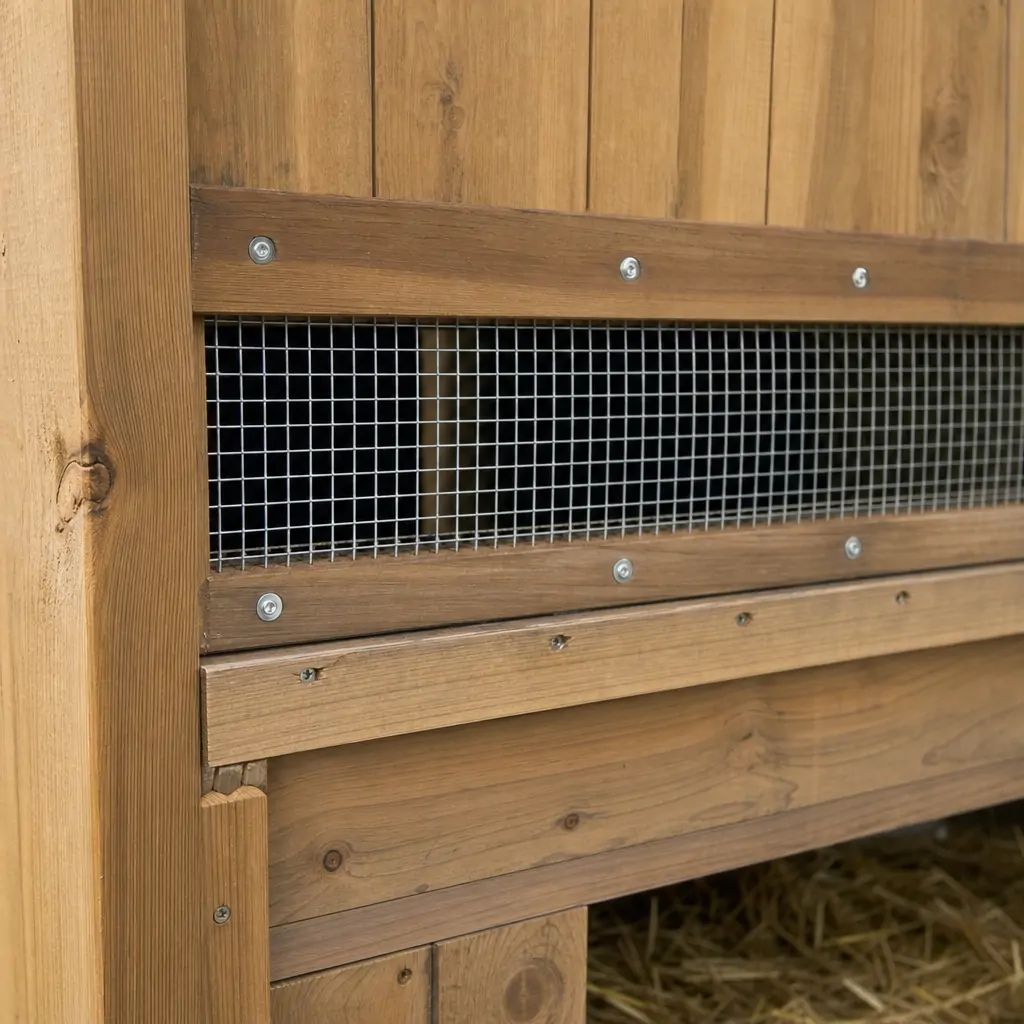
Once you understand what you're protecting against, the next logical step is examining whether your coop structure can actually hold up. Many coops sold as predator resistant fall short in practice, particularly around ventilation gaps, weak door hardware, or flooring that leaves a path for digging animals. A full walkthrough of what a predator proof chicken coop needs — from wall material to roof coverage — is available for readers ready to evaluate or rebuild their setup.
Everyday Coop Security Habits
Structural strength only matters if it's paired with consistent daily habits. Coop security is as much about routine as it is about materials — closing doors before dusk, checking latches regularly, and removing anything that might attract scavengers after dark. The dedicated chicken coop security article expands on the daily and weekly checks that catch small vulnerabilities before a predator finds them first.
Choosing Locks That Actually Work
Raccoons in particular are notorious for manipulating simple slide bolts and hook latches, which means the lock itself deserves real consideration rather than an afterthought. Readers wondering which type of hardware will actually resist a determined animal should look at the article covering the best chicken coop locks, which compares the mechanisms most likely to hold up against clever, dexterous predators.
Choosing the Right Fencing Material
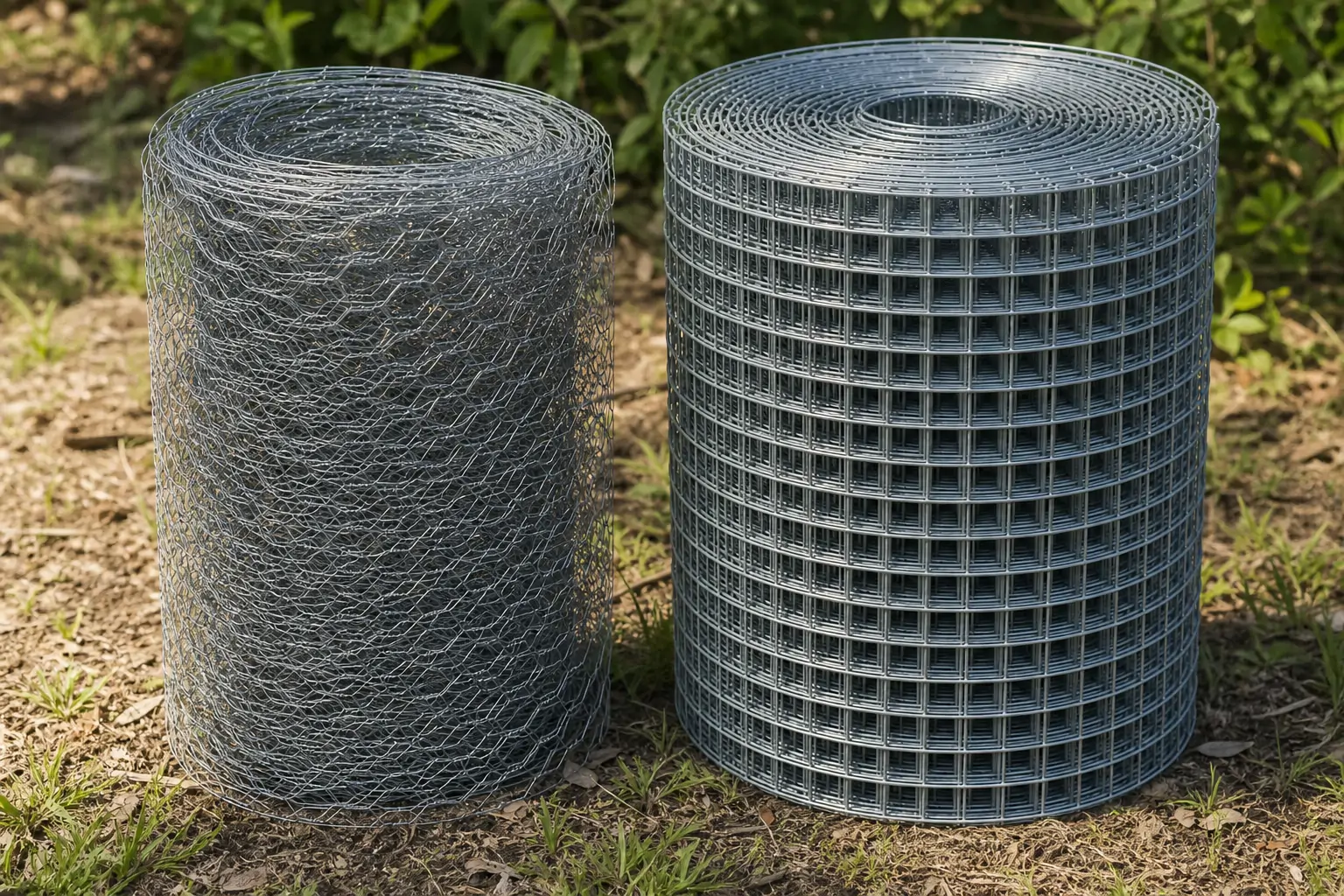
One of the most common and costly mistakes in backyard flock protection is assuming that standard chicken wire offers real security. It doesn't — its main purpose is containment, not defense. The comparison article on chicken wire vs hardware cloth explains the practical difference between the two materials and why so many predator incidents trace back to this single misunderstanding.
Recognizing Threats From Below
Not every danger comes over the fence or through the air. Weasels, snakes, and digging predators can access a coop from underneath, often undetected until eggs or chicks start disappearing. The article on underground chicken predators explains how to identify this kind of activity and why it's frequently misdiagnosed as something else entirely.
Stopping Predators From Digging In
Once you know digging predators are a possibility, the practical fix involves extending protection below ground level, not just around it. The guide on buried chicken coop fencing details how deep and how far this barrier typically needs to extend, and how it pairs with the aboveground fencing already covered in other parts of this cluster.
Managing Threats That Appear After Dark
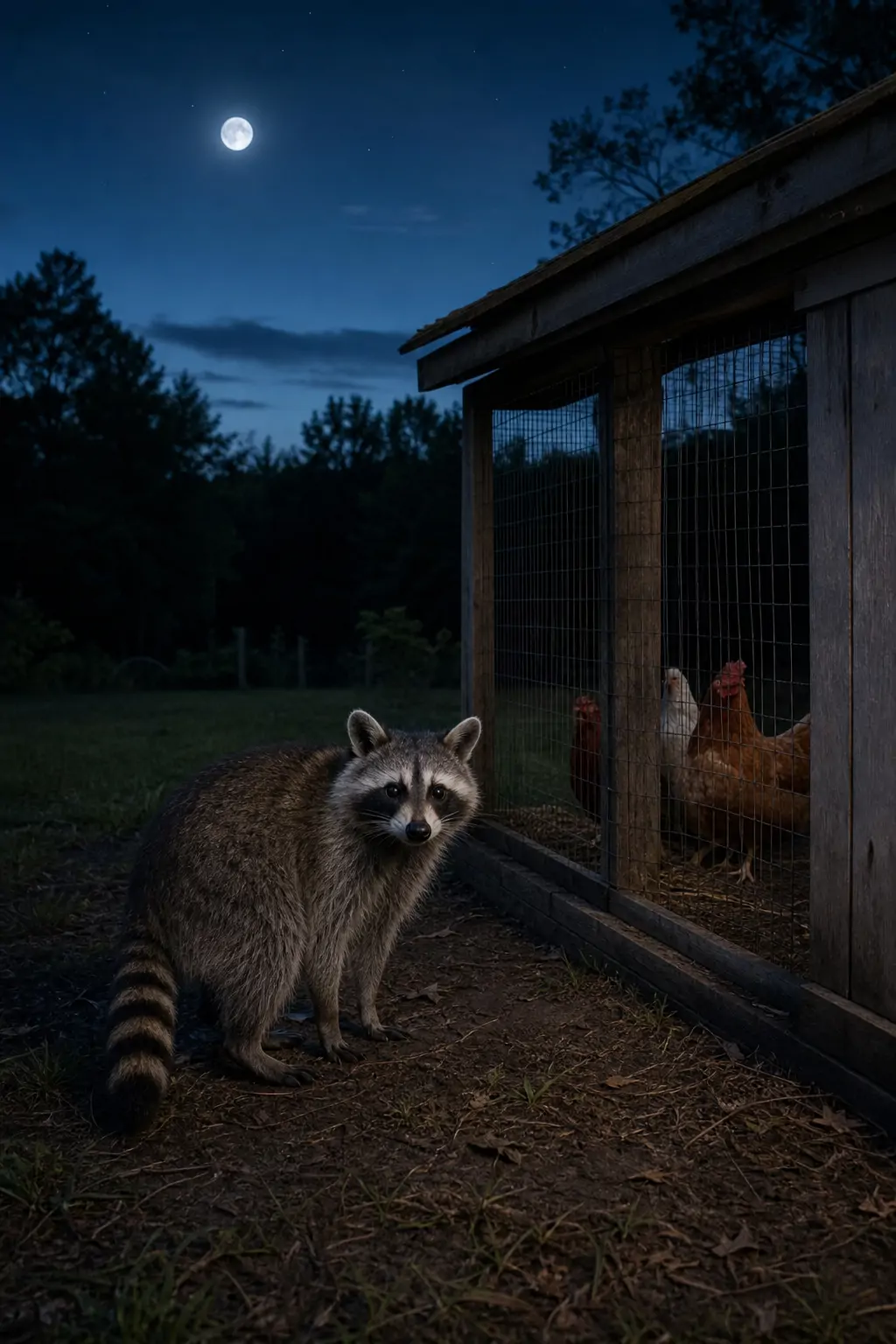
A coop that seems perfectly secure during the day can still be vulnerable once the sun goes down, since several of the most persistent predators are active almost exclusively at night. The article on night predators chickens covers the species most likely to strike after dark and the specific routines that reduce risk during those hours.
How These Topics Fit Together
None of these subjects exist in isolation, and that's worth understanding before you dive into any single article. Knowing which predators are common in your region, covered in the chicken predators overview, naturally shapes which defenses matter most — someone dealing mainly with hawks will prioritize overhead coverings, while someone with a fox problem will focus on perimeter fencing and secure latches instead. Structural upgrades like a predator proof chicken coop and proper chicken coop security work hand in hand, since a well-built coop still needs consistent daily habits to stay effective.
Materials and hardware choices tend to overlap as well. Anyone comparing chicken wire vs hardware cloth will likely also want to review the best chicken coop locks, since both address the same underlying goal of closing physical gaps a predator could exploit. Similarly, readers concerned about underground chicken predators should pair that article with the one on buried chicken coop fencing, as the second explains the practical fix for the threat described in the first. And because so many predator incidents happen after dark, the night predators chickens article works well as a follow-up to almost anything else in this cluster, tying daytime precautions to nighttime realities.
A reasonable starting point for most readers is the general predator overview, followed by whichever species-specific article matches a threat they've already noticed, and then the structural articles on coop building, security, and locks once the underlying risk is clear.
Predator pressure on backyard chickens isn't something that gets solved once and forgotten — it shifts with the seasons, the surrounding wildlife, and even changes in your own routine. This chicken predators protection guide is meant to give you a clear map of the subject so you can move confidently from general awareness to the specific fixes your flock needs, whether that means predator proofing chicken coop structures, reinforcing locks, or adjusting habits that affect protecting chickens from predators every single day.