Broody Hens & Hatching Guide: Complete Backyard Overview
Broody Hens & Hatching Guide: Complete Backyard Overview
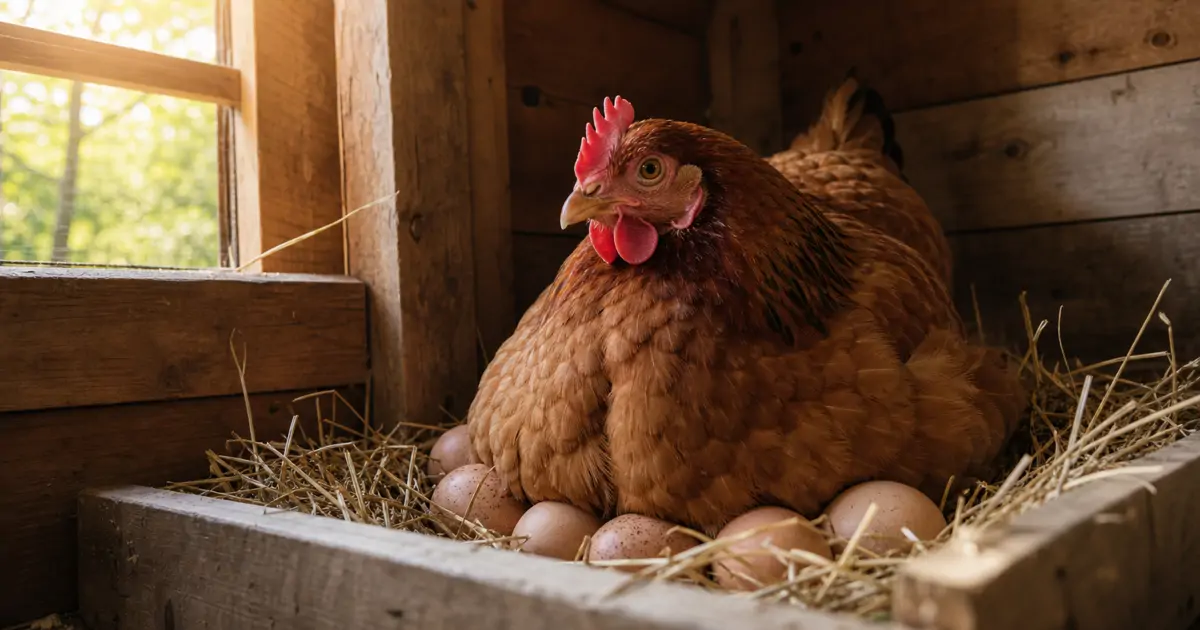
Watching a hen suddenly refuse to leave the nest box is one of the more curious moments in backyard chicken keeping. She stops laying, fluffs into a stubborn ball of feathers, and glares at anyone who reaches near her eggs. This behavior, known as broodiness, is the starting point of one of nature's oldest processes: hatching chicks without an incubator.
This guide exists to help readers understand the full arc of that process, from recognizing a broody hen to raising the chicks she eventually hatches. Whether the goal is a broody hen hatching guide for a first-time flock owner or a refresher on natural chicken hatching methods, this page maps out the territory so you know exactly where to go next.
Below, you'll find an overview of the major stages involved—broodiness itself, egg incubation, and chick rearing—along with direct paths to the in-depth articles covering each one.
Topic Overview
Backyard hatching generally unfolds in three broad phases, and most reader questions fall into one of them. The first phase is identifying and managing broodiness, since not every hen that goes broody is a good candidate for hatching, and not every keeper wants a broody hen in the first place. The second phase covers the mechanics of getting eggs to hatch, whether that happens under a hen or inside a mechanical incubator. The third phase is chick care, which begins the moment shells start to crack and continues for several weeks afterward.
A common concern among newer keepers is timing—knowing when a hen is truly broody, how long she'll need to sit, and when chicks are likely to arrive. Another frequent challenge is deciding between letting a hen do the work naturally versus using an incubator, especially when a keeper doesn't have a broody hen available at all. This page introduces each piece of that decision so the more detailed sub-pillar articles can answer the specific question you actually have.
What Is a Broody Hen
Before managing broodiness, it helps to understand exactly what it is. A broody hen has shifted into an instinctive incubation mode, driven by hormonal changes rather than choice, and this shift changes her behavior, appetite, and even body temperature. Readers who are noticing unusual nesting behavior for the first time often start here, since knowing what is broody hen actually means clears up a lot of confusion about whether a bird is sick, molting, or simply doing what hens have done for thousands of years.
How to Stop a Broody Hen
Not every keeper wants a broody hen sitting on eggs, particularly if there's no rooster in the flock or the timing doesn't suit the household. This section of the cluster explains practical, humane approaches for breaking the behavior when it isn't wanted. Anyone searching for how to stop broody hen guidance will typically land here after noticing the signs but deciding hatching isn't the right move this season.
Broody Hen Behavior Signs
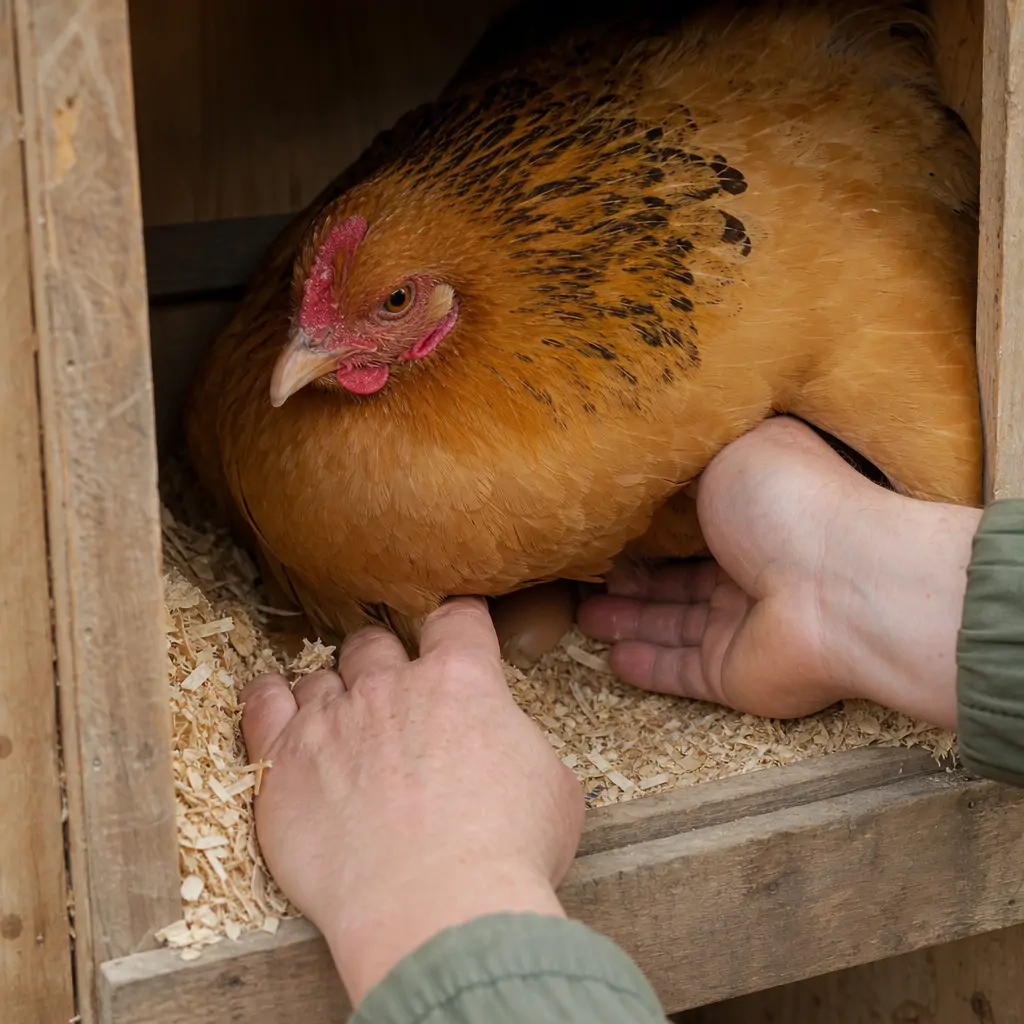
Distinguishing true broodiness from other behaviors is a common early hurdle. A hen sitting in a nest for an afternoon isn't necessarily broody, but one that won't budge for days, plucks her own breast feathers, and growls when approached almost certainly is. The broody hen behavior signs article walks through these indicators in detail, helping readers confirm what they're actually seeing before deciding on next steps.
Incubating Chicken Eggs
Once a hen is confirmed broody—or once a keeper decides to use a mechanical incubator instead—the next question is how the eggs themselves need to be handled. This includes candling, turning, humidity, and egg selection, all of which affect whether embryos develop properly. The incubating chicken eggs guide covers this process from the moment eggs are set through the final days before hatch, and it's a natural next stop for anyone ready to move past the broodiness stage.
Chicken Egg Incubator Temperature
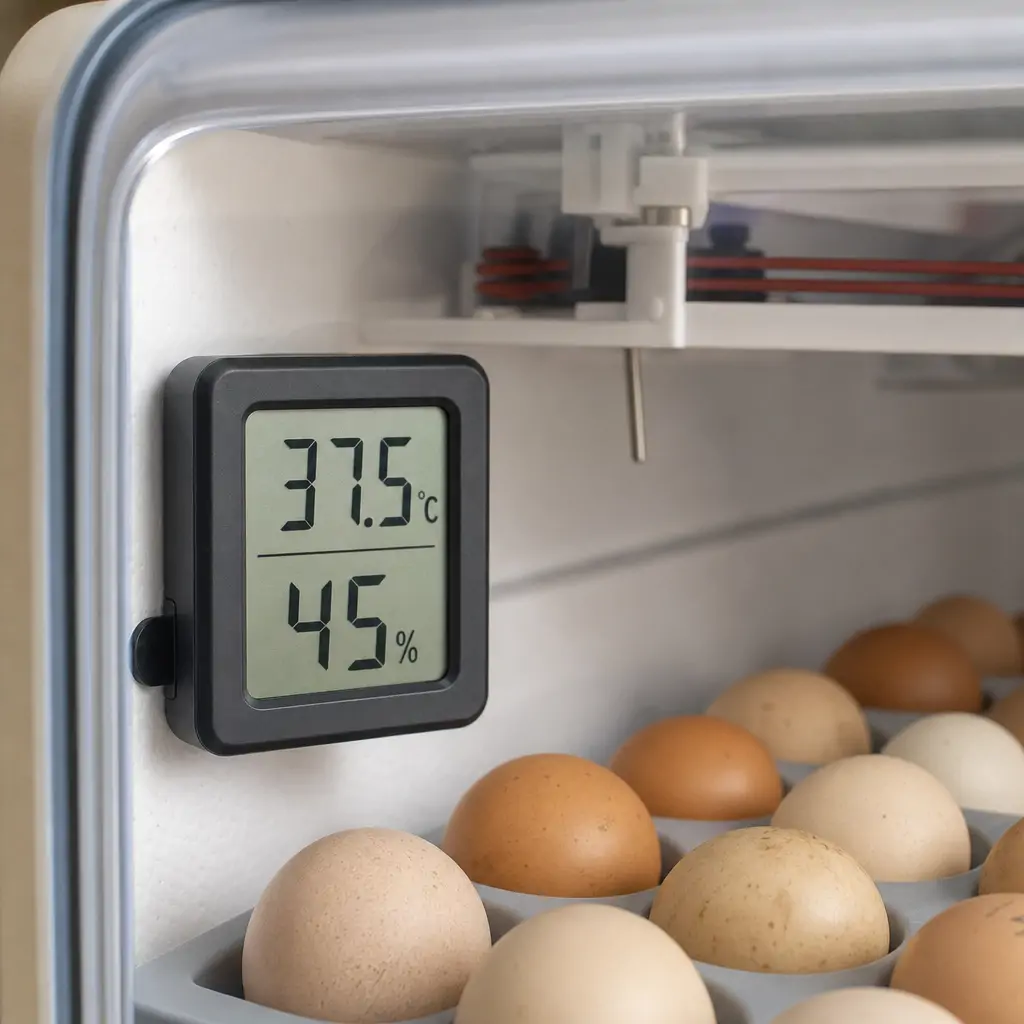
Temperature control is arguably the single most important variable in artificial incubation, and small deviations can affect hatch rates significantly. Readers using a tabletop incubator, rather than relying on a hen's own body heat, need precise guidance here. The dedicated page on incubator temperature chicken eggs breaks down target ranges and common troubleshooting scenarios for anyone managing this equipment themselves.
How Long Does It Take Chicken Eggs to Hatch
Timing questions come up constantly, especially from first-time hatchers counting down the days. Chicken eggs generally follow a fairly predictable schedule, though breed and incubation conditions can shift things slightly. The how long chicken eggs hatch article lays out the full timeline so readers know what to expect during each week, from the first candling to the final pip.
Chick Care for Beginners
Hatching is only half the story—what happens in the days and weeks afterward matters just as much. New chicks require specific warmth, feed, and space considerations that differ from adult birds, and mistakes early on can affect their health. The chick care for beginners guide covers these basics for anyone bringing home or hatching chicks for the first time, whether they arrived under a broody hen or from an incubator.
Heat Lamp for Chicks
Temperature regulation doesn't end once eggs hatch; chicks without a mother hen need a reliable heat source to stay warm during their first several weeks. Choosing and safely setting up a heat lamp for chicks is a frequent point of confusion, particularly around fire safety and knowing when chicks are ready to wean off supplemental heat. This sub-pillar addresses those practical setup questions directly.
Chicken Hatchery Near Me
Not everyone starts with a broody hen or a full incubator setup—some readers simply want to purchase live chicks or hatching eggs locally. For that audience, finding a chicken hatchery near me is often the more practical starting point than attempting a full hatch at home. This section of the cluster helps readers locate reputable sources and understand what to expect when buying rather than hatching.
Chicken Broody Breeds
Broodiness isn't evenly distributed across chicken breeds—some go broody frequently and reliably, while others rarely do at all. Keepers hoping to hatch eggs naturally often benefit from knowing which birds are more likely to cooperate. The broody chicken breeds article outlines which breeds tend to show this instinct most consistently, which is useful information before adding new birds to a flock specifically for hatching purposes.
Cluster Relationship
These topics build on one another rather than standing alone. A reader typically starts by confirming broodiness through behavior signs, then decides whether to support that instinct or interrupt it. From there, the path splits: those hatching naturally move toward egg and temperature management, while those without a broody hen may look into incubators or simply buying chicks from a hatchery. Every path eventually converges on chick care, since a hatched or purchased chick needs the same fundamentals regardless of how it arrived.
Understanding broody hen care early on makes the rest of the process easier to plan, because it clarifies whether you're working with a natural incubator or need to build the environment yourself. Similarly, anyone comparing hatching chicken eggs with broody hen methods against mechanical incubation will find that the temperature and timeline articles overlap significantly with what a broody hen handles instinctively.
Backyard hatching rewards patience and a bit of planning more than any special skill. Whether you're relying on using broody hen to hatch a clutch naturally or setting up equipment yourself, understanding how these pieces fit together—from recognizing broodiness to raising sturdy chicks—makes the entire process far less intimidating. Use the sections above as a map, and follow whichever path matches where your flock and your goals currently stand.