Chicken Housing & Setup Guide: Coops, Runs, and More
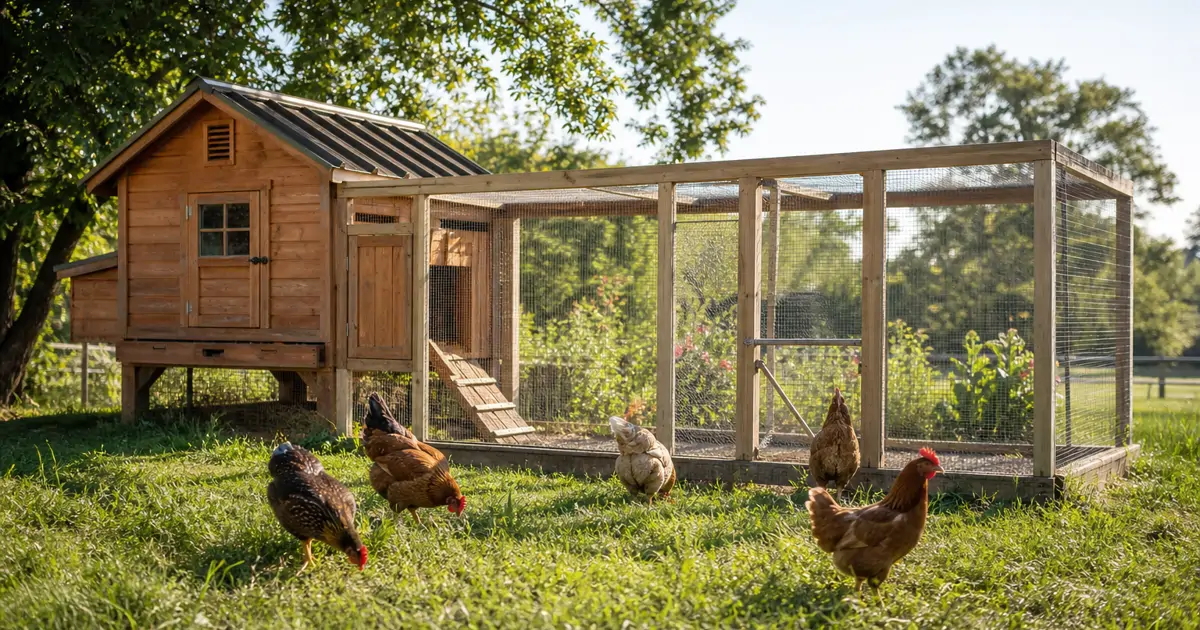
Chicken Housing & Setup Guide: Coops, Runs, and More
Setting up housing for backyard chickens involves more decisions than most new keepers expect. A coop is not just a box with a door — it has to manage temperature, airflow, predator pressure, egg collection, and daily cleaning, all at once. Getting the basics right early on saves money, prevents illness, and keeps birds calmer and more productive.
This chicken coop design guide serves as a starting point for anyone researching backyard chicken housing, whether you are still deciding on a coop style or already troubleshooting a specific problem like poor ventilation or an undersized run. Rather than trying to cover every detail in one place, this page breaks the subject into its major components and points you toward the specific article that answers your question in depth.
By the end, you should have a clear sense of how coop size, run design, nesting boxes, ventilation, flooring, and access doors all fit together as one system — and which sub-topic to explore first based on where you are in the process. Learning how to house chickens properly from the start avoids many of the problems keepers run into later.
Topic Overview
Chicken housing generally breaks down into a handful of interconnected decisions: how much space birds need, how the structure is built, how air and moisture move through it, and how hens access nesting areas, roosts, and the outdoors. Most readers arrive at this subject from one of two directions. Some are planning a new setup from scratch and want a full picture before buying lumber or hardware. Others already have a coop and are trying to solve a specific issue — feather picking, damp bedding, escaped birds, or hens laying eggs on the ground instead of in boxes.
A common concern among new keepers is simply not knowing where housing requirements come from. Space needs, door dimensions, and ventilation rates are not arbitrary; they are shaped by flock size, climate, and predator risk in a given region. This guide will not walk through every calculation, but each section below explains what a related sub-pillar covers and why it matters, so you can jump straight to the part of chicken shelter design that applies to your situation.
How to Build a Chicken Coop
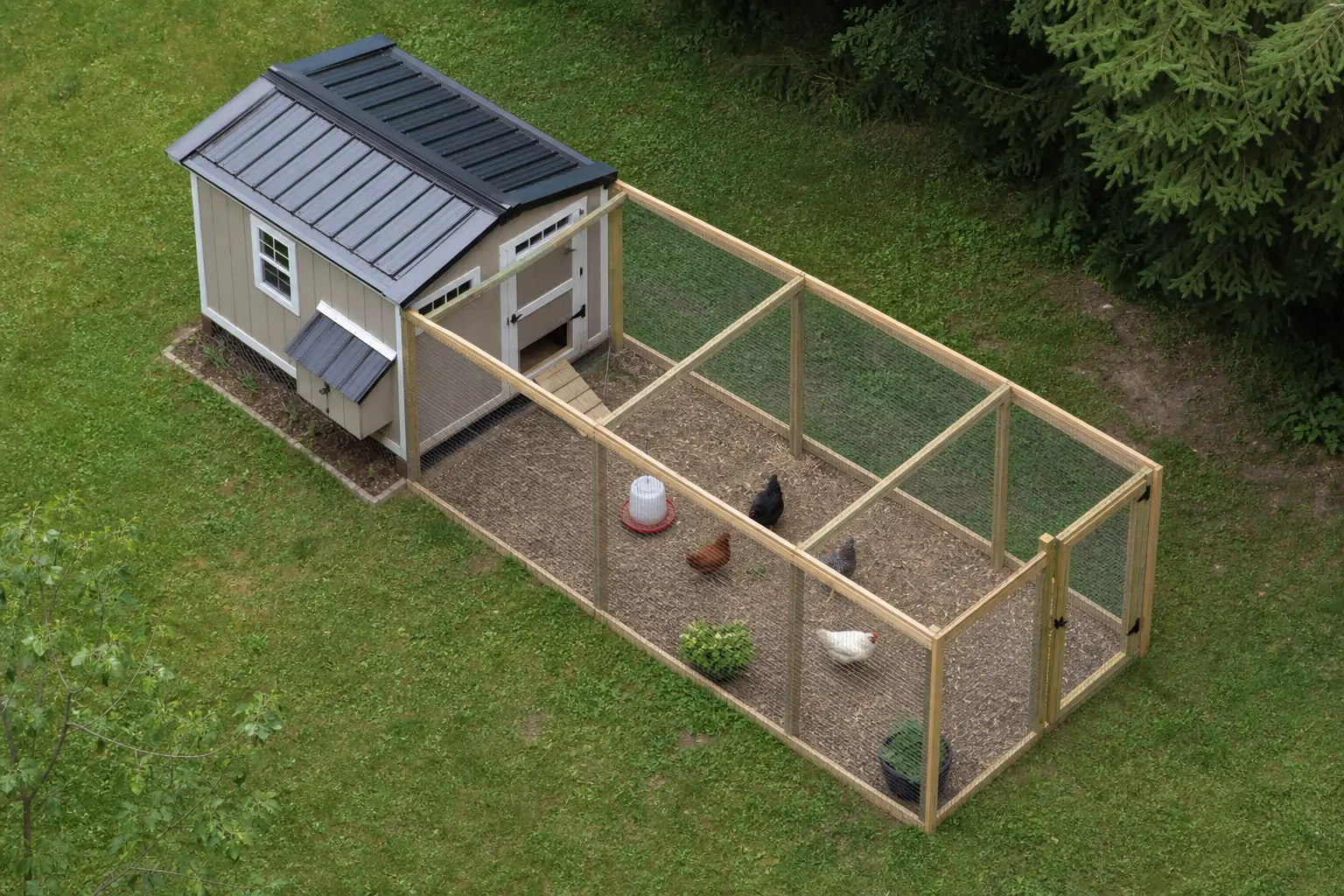
Building a coop from the ground up is where many backyard flocks begin. This is the broadest construction question in the cluster, covering framing, materials, weatherproofing, and general build sequence from foundation to roof. If you are still deciding between building your own structure or buying a prefabricated one, the dedicated article on how to build chicken coop walks through the process at a level of detail this overview intentionally skips.
Chicken Coop Size Requirements
Before cutting any lumber, it helps to know how much space the flock actually needs. Undersized coops are one of the most common causes of pecking, stress, and poor egg production, especially in colder months when birds spend more time indoors. The chicken coop size requirements article breaks down space-per-bird guidelines by breed size and climate, which is useful whether you are designing from scratch or evaluating an existing structure.
Chicken Run Design Ideas
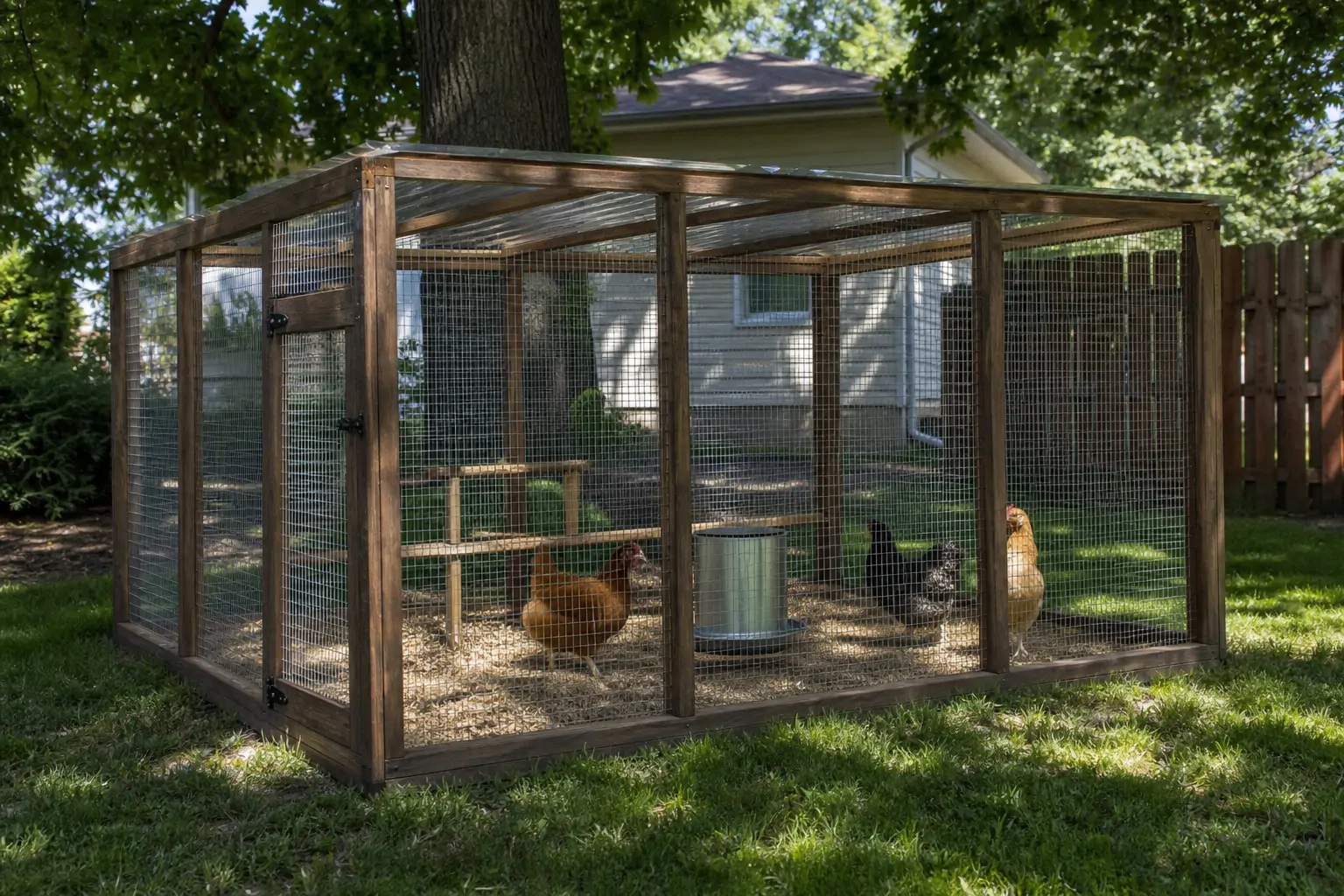
The run is the outdoor extension of the coop, and its design affects everything from predator safety to how much mud ends up tracked into the nesting boxes. Readers often wonder how large a run needs to be, whether it should be covered, and how to keep digging predators out. The chicken run design ideas guide covers layout options for different yard sizes and predator pressures.
Chicken Nesting Box Setup
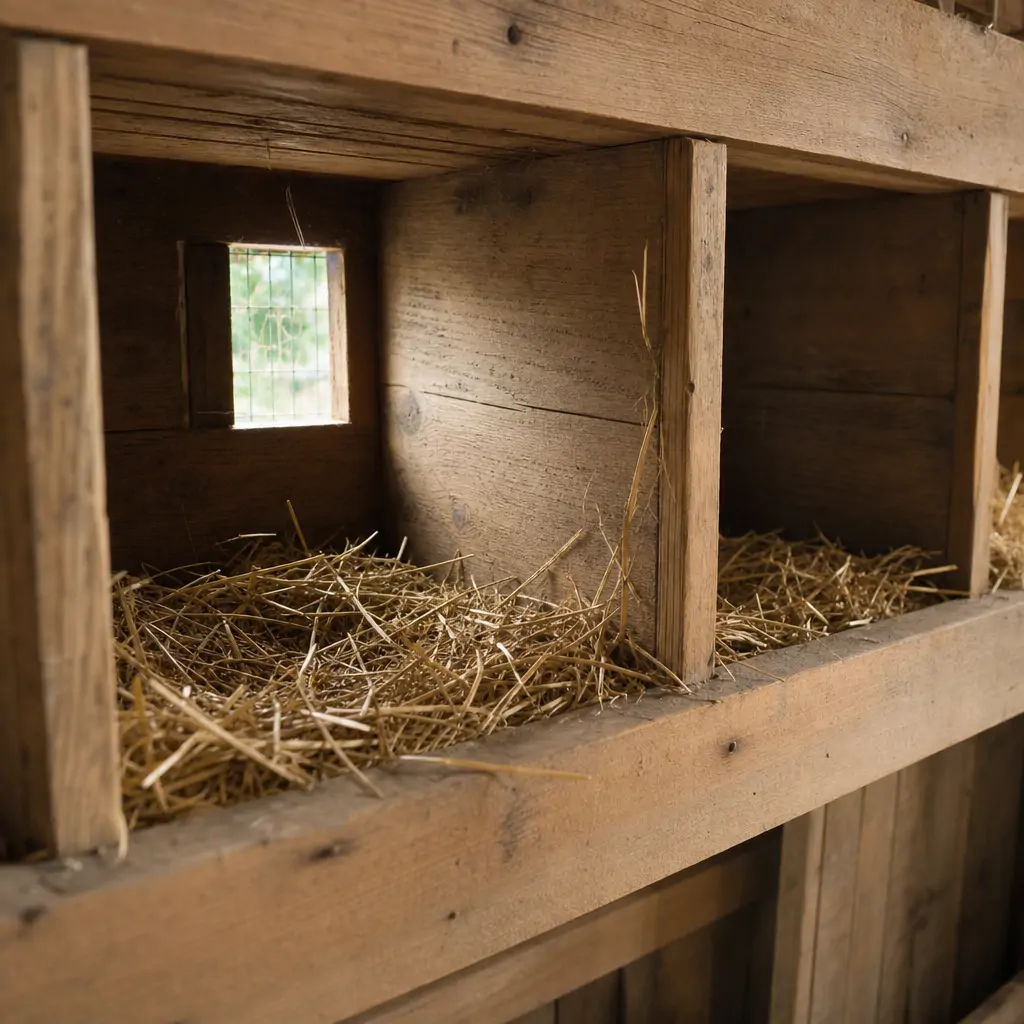
Once the main structure is in place, attention usually shifts to where hens will actually lay. Poorly placed or improperly sized boxes lead to floor eggs, broken shells, and competition among hens. The chicken nesting box setup article covers placement, dimensions, and bedding choices in more depth than makes sense here.
Chicken Coop Ventilation
One overlooked factor in coop design is airflow. A coop that is too tightly sealed traps moisture and ammonia from droppings, which can lead to respiratory issues over time. Persistent coughing, wheezing, or discharge from a hen's eyes or nostrils may indicate a potential problem and should be evaluated by a qualified professional. The chicken coop ventilation design guide explains how to balance airflow with draft protection through the seasons.
Chicken Perch Height
Roosting behavior is instinctive in chickens, but poorly positioned perches can cause injury or overcrowding at night. A frequently encountered scenario is hens piling onto a single favorite roost while others sit empty. The chicken perch height article addresses spacing, height, and material choices suited to different breeds.
Chicken Coop Flooring Options
Flooring affects cleaning routine, moisture control, and pest management more than most new keepers anticipate. Some materials work well with the deep litter method, while others require more frequent cleanout. The chicken coop flooring options guide compares common choices so you can match flooring to your climate and maintenance preferences.
DIY Chicken Coop Plans
For readers who prefer a structured blueprint rather than assembling ideas from scratch, ready-made building plans can shortcut a lot of decision-making. The DIY chicken coop plans article rounds up design options across different sizes, styles, and skill levels, which pairs naturally with the general construction guidance covered elsewhere in this cluster.
Chicken Coop Door Size
Access doors — both for keepers and for the birds themselves — need to be sized correctly to prevent drafts, deter predators, and allow easy daily use. The chicken coop door size article covers appropriate dimensions for both human-sized access doors and the smaller pop doors used by the flock.
Automatic Chicken Door Opener
Manually opening and closing the coop door at dawn and dusk becomes tedious quickly, and missing a night can leave birds exposed to predators. The automatic chicken door opener guide reviews how these devices work, what to look for, and how they integrate with existing coop designs.
Cluster Relationship
These topics rarely function in isolation. Coop size influences ventilation needs, since more birds in a smaller space produce more moisture and ammonia that has to be vented out. Run design and predator-proofing decisions often depend on the same door sizing choices covered in the pop door and automatic opener guides. Flooring and nesting box setup are frequently addressed together, since bedding materials tend to be shared between the two areas.
A practical starting point is usually coop size, since it shapes nearly every decision that follows — from how many nesting boxes are needed to how much ventilation the space requires. From there, most readers move on to construction guidance, either building from scratch or adapting existing plans, before finishing with the finer details like perch height, flooring, and door automation.
Chickens kept in a well-planned setup tend to show fewer behavioral problems and health issues tied to overcrowding or poor air quality. Understanding how these pieces connect makes it easier to build a system that works as a whole, rather than solving one problem at a time and creating new ones elsewhere.
Backyard chicken housing is ultimately a system of interconnected choices, not a single project with one right answer. Whether you are drafting a completely new build or refining an existing coop, working through this chicken housing setup guide alongside its related articles should make each individual decision easier to place in context. Start with whichever sub-topic matches your current question, and use the others as reference points once your setup starts taking shape.