How Stress Affects Chicken Laying: Recovery Guide
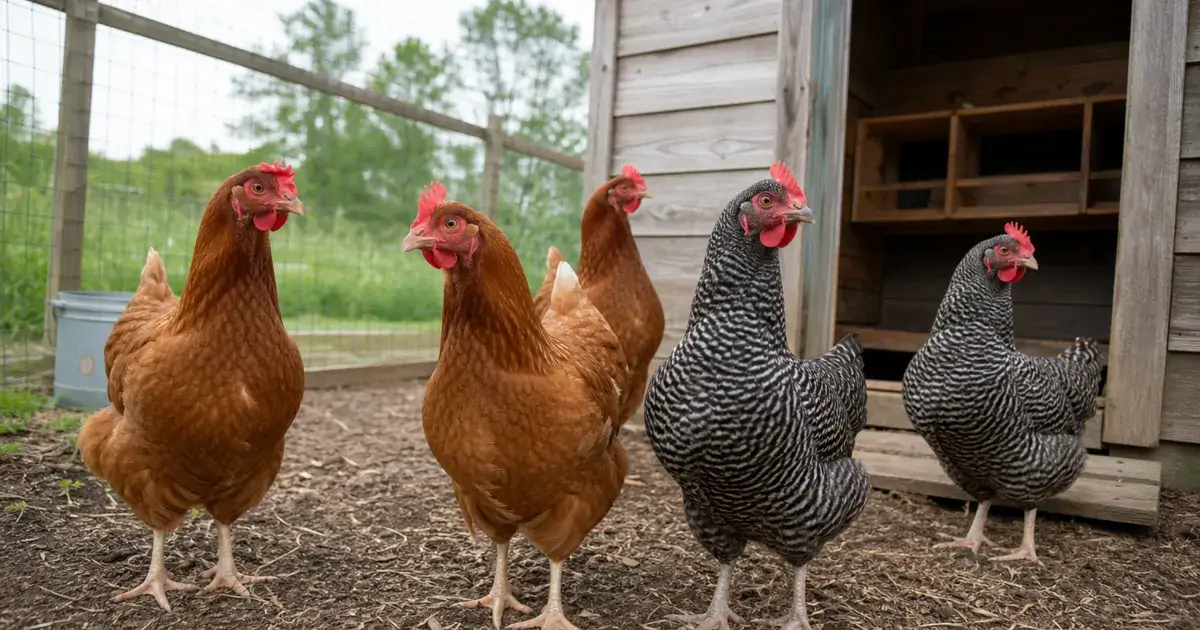
How Stress Affects Chicken Laying?
A hen that was laying reliably on Monday can go quiet by Wednesday, and nothing about the coop looks different. That sudden silence is one of the most common complaints in backyard flocks, and stress sits near the top of the list of explanations. Understanding how stress affects egg laying matters because the response is completely different from the response to age, molt, or a nutritional gap. Treat a stress-related pause like a feed problem and you may simply prolong it.
This article goes deeper than the overview in our egg-laying troubleshooting guide. It walks through what actually happens inside a hen's reproductive tract when she is under pressure, how to read the physical and behavioral clues, which stressors are most likely to shut down production in a small flock, how long recovery usually takes, and where keepers commonly go wrong when they try to fix things. Recognizing stress chicken egg production patterns is essential for every backyard keeper.
It applies to anyone with birds in a backyard, on a homestead, or in a small pastured setup, and especially to keepers who have recently changed something: added birds, moved a coop, weathered a heat wave, or discovered evidence of a nighttime visitor. If your egg basket got lighter without an obvious cause, the explanation is often environmental rather than medical, and understanding stressed hens laying fewer eggs dynamics can help you respond effectively.
What Actually Happens Inside a Stressed Hen
Egg formation is not a single event. It is a rolling assembly line. A yolk is released from the ovary, travels the oviduct, gathers albumen, membranes, and finally a shell, then gets laid roughly a day later. The whole sequence takes about 24 to 26 hours, and the next ovulation is triggered shortly after the previous egg is laid. That chain reaction is what makes production look effortless when everything is going well.
Stress interrupts the hormonal signal that starts the next cycle. When a bird's stress response ramps up, corticosterone rises and the hormone surge that triggers ovulation gets suppressed or delayed. The practical result is that the ovary skips a release. Skip enough releases and the developing follicles regress, which is why a scared or overheated flock can stop laying for far longer than the stressful event itself lasted. This is the core mechanism behind how stress affects chicken laying.
There is a second, more visible effect. Eggs already partway down the tract still have to come out, and they often show the fingerprint of the disturbance. Keepers frequently report a short run of odd eggs right before production stops: wrinkled shells, chalky calcium deposits, misshapen or flattened ends, a pale or patchy shell color on a breed that normally lays evenly, or eggs laid on the coop floor at strange hours. A hen startled off the nest at night can also expel an egg with a thin or missing shell simply because it left the shell gland too early. If you want more context on that particular symptom, see our notes on shell-less egg causes.
Takeaway: Stress does not just "slow down" laying; it interrupts the hormonal trigger that starts each new egg, which is why production can stall for days or weeks after a brief scare.
Identifying Stress in Your Flock: Signs Worth Reading
Chickens are not subtle once you know what to look for, but the early signals are easy to miss because they show up in posture and routine rather than in obvious illness. Recognizing chicken stress symptoms laying patterns early allows for faster intervention.
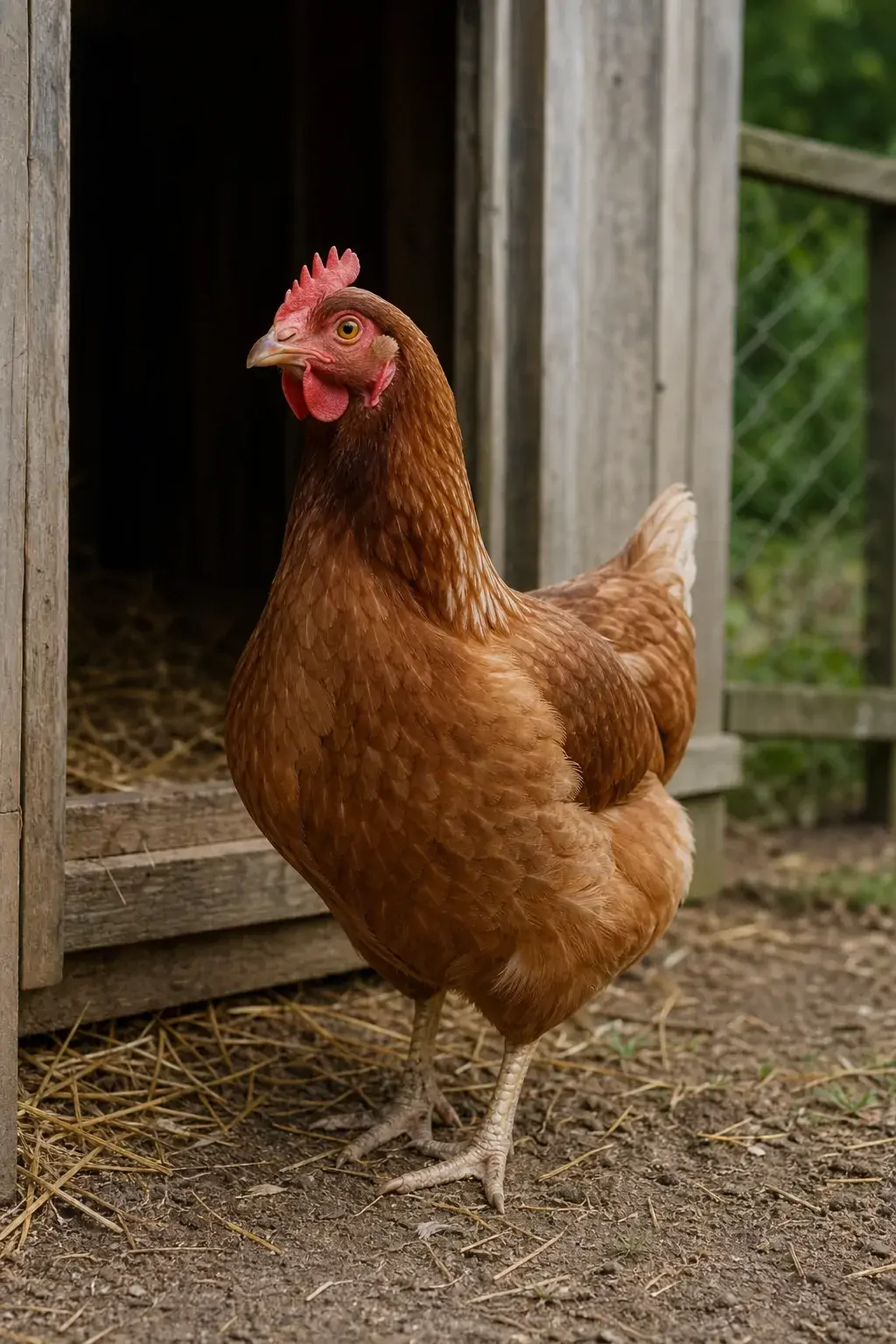
Behavioral and Vocalization Changes
- Change in vocalization. Persistent alarm calling, sudden silence when the flock is normally chatty, or birds that keep repeating a low warning note usually mean something in the environment has them on edge.
- Refusing to use the run or the coop. Birds that pile up in one corner, refuse to leave the coop in the morning, or won't go in at dusk are telling you where they feel unsafe.
- Reduced feed and water intake. This is the mechanical link between stress and lost eggs. A hen needs steady intake to build a shell, and stressed birds eat less. Watch feeder levels rather than watching individual birds.
Physical Signs and Feather Condition
- Feather loss in specific patterns. Bare backs, missing head or neck feathers, or worn tail feathers point toward crowding, bullying, or an overly attentive rooster rather than seasonal molt.
- Feather picking and pacing. Repetitive pacing along fence lines and picking at flockmates are classic boredom and crowding behaviors.
- Nest box avoidance. Eggs laid in corners, under shrubs, or from the roost overnight often mean the boxes feel exposed, contested, or occupied by a broody bird.
- Pale, shrunken combs and wattles. Combs shrink and fade when a hen stops cycling. This is a useful confirmation that laying has actually paused, not that eggs are simply going missing.
Behavioral signs are most informative when you compare them to the flock's own baseline. A breed like a Leghorn is naturally flighty; a Buff Orpington that suddenly refuses to leave the coop is far more telling. Any bird that is lethargic, breathing with an open beak in cool weather, sitting hunched with fluffed feathers, or showing discharge or swelling may indicate a problem and should be evaluated by a qualified poultry veterinarian rather than managed as simple stress. Understanding environmental stress and egg production interconnection requires attention to these subtle cues.
Takeaway: Track feed and water consumption alongside behavior; a drop in intake is often the first measurable sign of stress and the most direct cause of lost eggs.
Common Stressors That Stop Laying
Most stress-related laying drops in backyard flocks trace back to a handful of causes. Working through them in order of likelihood is faster than guessing.
Heat Stress and Environmental Factors
Heat is the single most reliable production killer in summer. Chickens cannot sweat, so they pant, and heavy panting shifts blood chemistry in a way that reduces the carbonate available for shell formation. That is why thin shells and dropped production often arrive together during a heat wave. Shade, deep cool water, multiple water stations, and airflow at bird level matter more than any supplement. Frozen water bottles in the run and misting the ground rather than the birds are practical stopgaps.
Predator Pressure and Security Threats
A raccoon that never gets inside still costs you eggs. Birds that spend the night listening to something circling the coop don't rest, and daytime hawk passes can keep a flock huddled under cover for hours instead of eating. Look for scratch marks on hardware cloth, disturbed bedding, feathers on the run floor, and birds reluctant to roost in their usual spots.
Flock Changes and Pecking Order Disputes
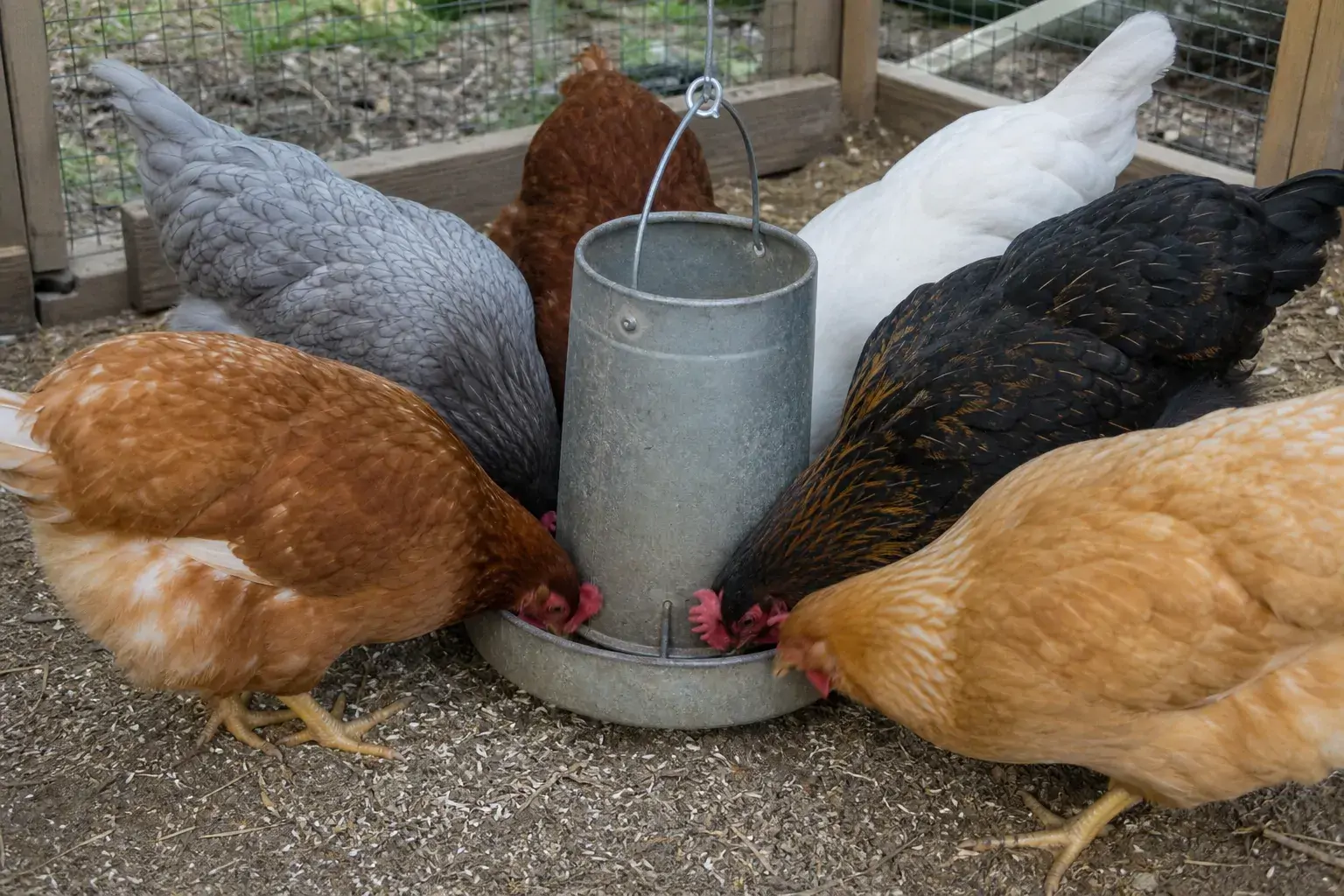
Adding new birds is one of the most predictable triggers. Establishing a new hierarchy takes days to weeks, and lower-ranked hens often stop laying while they lose access to feeders and nest boxes. Removing a bird can be just as disruptive. Multiple feed and water stations placed out of line of sight from each other reduce the cost of these disputes considerably.
Crowding and Resource Competition
Space guidelines exist because crowding produces chronic, low-grade stress that never resolves on its own. Roughly four square feet of coop floor per standard hen, ten square feet of run, eight to ten inches of roost per bird, and one nest box per four hens are common working targets. Nest box shortages in particular push hens to lay on the floor or hold eggs longer than they should.
Parasites and Night-Time Threats
Northern fowl mites and red mites feed after dark, and a bird losing blood every night is under real physiological load even if she looks fine at noon. A flashlight check an hour after dark, plus a look at vent feathers and roost crevices, catches problems that daytime inspections miss. Suspected infestation or persistent scratching and restlessness may indicate a problem and should be evaluated by a qualified professional before you begin treatment.
Feed, water, and routine disruptions also matter: an empty waterer for even part of a hot day can pause laying. So can an abrupt feed switch, a new bag with a different texture, moldy or stale feed, or a change in feeding times. Transition feeds over about a week by blending old and new. Additionally, moving a coop, rearranging the interior, or bringing birds to a new property resets everything familiar, and production commonly stalls for one to three weeks afterward. There is a full discussion of that scenario in our guide to relocation stress in chickens.
Noise, dogs, and human traffic all register as threats. Construction, a new puppy learning fence manners, frequent handling by children, or unfamiliar visitors can all contribute. Chickens habituate to consistent noise surprisingly well, but unpredictable noise keeps them alert.
Takeaway: Work through heat, predators, flock changes, crowding, parasites, and resource disruptions in that order; the cause is usually something that changed in the last two weeks.
Recovery Timelines: What Many Guides Miss
Most articles say stress reduces laying and stop there. The more useful question is how long you should expect the pause to last, because that number tells you whether to keep waiting or keep investigating.
| Type of stressor | Typical laying pause | What you usually see first |
|---|---|---|
| Brief scare (dog in yard, single hawk pass) | 1 to 3 days | A skipped day or two, then normal eggs |
| Multi-day heat wave | 3 to 10 days after temperatures drop | Thin or wrinkled shells, then a gap |
| New birds introduced | 1 to 3 weeks, longer for low-ranking hens | Floor eggs, feather loss, nest box conflict |
| Coop move or relocation | 1 to 3 weeks | Complete stop, birds slow to explore |
| Ongoing predator pressure or mites | Indefinite until resolved | Pale combs, weight loss, restless nights |
| Severe or prolonged stress triggering early molt | 6 to 12 weeks or more | Widespread feather drop, then regrowth |
Two points get overlooked. First, severe stress can push hens into an unseasonal molt, and once feather regrowth begins, the reproductive system takes a back seat until it finishes. That converts a two-week problem into a two-month one, which is why fast intervention pays off. Our overview of molting and egg production covers what to expect once that switch flips.
Second, a "laying drop" is sometimes an egg-disappearance problem instead. Rats, snakes, dogs, crows, and egg-eating hens all remove eggs quietly. Before assuming your hens have stopped, check for shell fragments in the bedding, sticky patches in the nest boxes, and hidden nests in tall grass, under decks, or in equipment sheds. Confining the flock to the coop and run for two or three days settles the question quickly.
Takeaway: Match the length of the pause to the suspected cause; if production hasn't recovered within the expected window, the original stressor is probably still present or the eggs are going somewhere you haven't looked.
Telling Stress Apart From Other Causes of a Laying Drop
Stress-related laying problems share symptoms with several other explanations, and the distinguishing clues are usually pattern-based rather than symptom-based.
Stress tends to hit the whole flock at once, or to hit specific low-ranking individuals hard, and it usually follows an identifiable event. Combs may shrink, but feathers stay largely intact and appetite returns quickly once conditions improve.
Molt arrives with feathers everywhere, typically in late summer or fall, and follows a fairly predictable order across the body. Birds look ragged but behave normally.
Declining daylight produces a gradual taper rather than a sudden stop, and it tracks the calendar. If production faded through October, light is the more likely driver, and the details are covered in our guide to how light affects egg laying.
Nutritional shortfalls generally show up in the shell before they show up in the count: consistently thin shells across many birds, or a run of soft eggs, point toward calcium, vitamin D, or overall intake problems, especially if treats and scratch are diluting the layer ration.
Illness usually brings additional signs: respiratory sounds, discharge, diarrhea persisting for days, sudden weight loss, or birds isolating themselves. Those patterns may indicate a problem and should be evaluated by a qualified veterinarian rather than managed at home.
Broodiness is often mistaken for a stress drop. A broody hen stops laying, flattens herself in the nest, growls when approached, and plucks her breast feathers. She's not stressed; she's committed.
Takeaway: Ask when the drop started, whether it was sudden or gradual, and whether it affected one bird or all of them; those three answers separate stress from molt, daylight, nutrition, and illness faster than any single symptom.
Reducing Flock Stress: Practical Considerations
Lowering stress is less about adding products and more about removing variability. Chickens are creatures of pattern, and predictability is the cheapest management tool available.
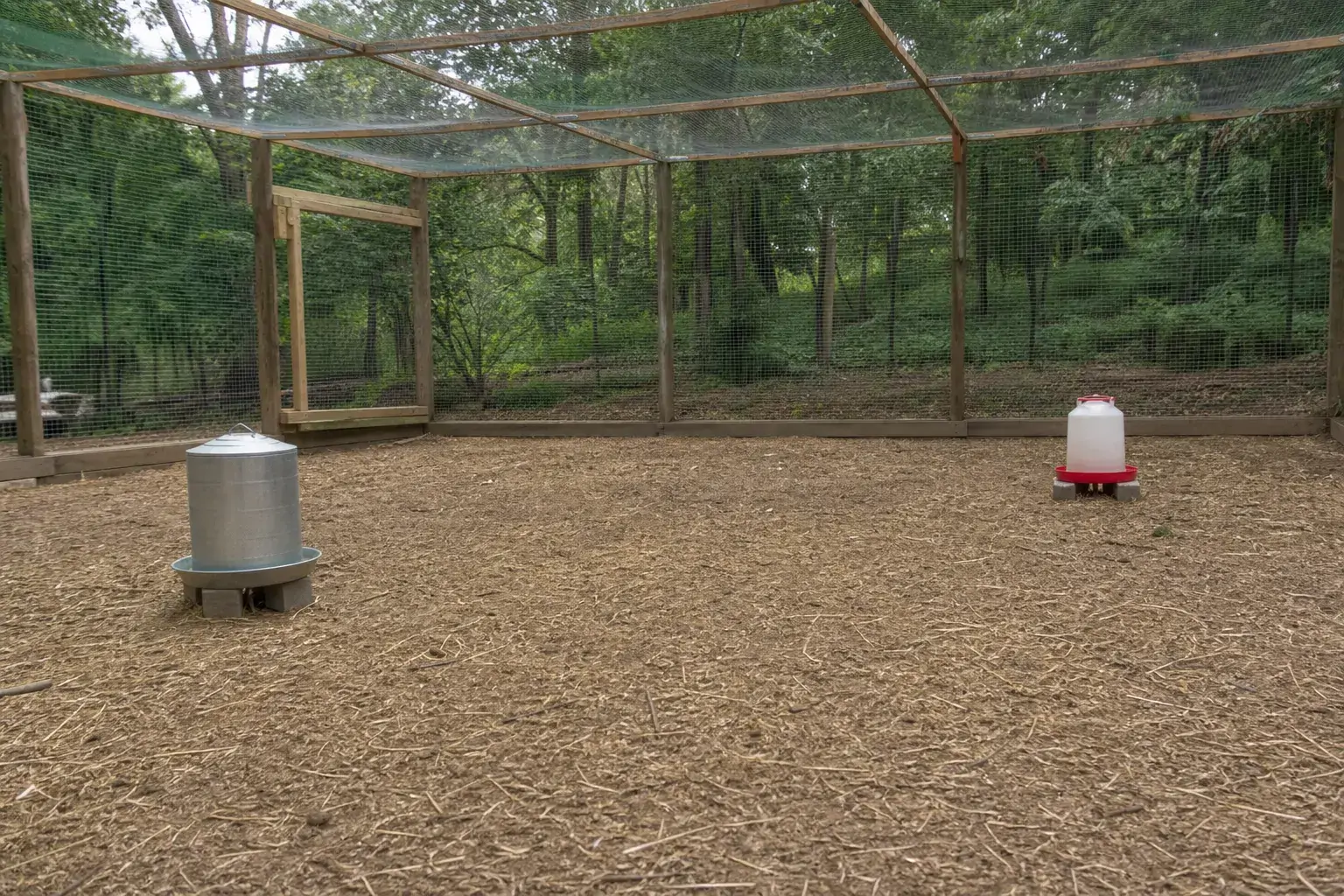
- Fix the security problem first. Hardware cloth over every opening, secured latches, a covered run where hawks are active, and a nighttime check of the coop perimeter. Nothing else works while birds are afraid to sleep.
- Duplicate resources. Two or more feeders and waterers, placed apart, prevent a dominant hen from controlling access. This single change often restores laying in bullied birds.
- Keep the routine boring. Same feeding times, same door-opening time, same handling patterns. Sudden changes in schedule register the same way a predator does.
- Manage heat before it arrives. Shade cloth, cross-ventilation, cool water in multiple spots, and avoiding midday handling. Move birds only in early morning or evening during hot spells.
- Introduce new birds slowly. A see-but-don't-touch period of a week or more behind wire, followed by supervised mixing on neutral ground, dramatically shortens the pecking order fight. Adding two or more birds at once spreads the pressure better than adding one.
- Provide enrichment. Dust bathing areas, perches at varied heights, a hanging cabbage, and something to scratch through reduce boredom-driven feather picking. Visual barriers in the run give harassed birds a place to break line of sight.
- Support intake, not just nutrients. During or after a stressful period, keeping feed available and water genuinely appealing matters more than any additive. Electrolyte supplements can help during heat events; they do not substitute for shade and airflow.
- Handle less, observe more. Regular quiet observation from a distance tells you more than picking birds up, and it costs the flock nothing.
A limitation worth naming: some stress is structural. If a coop is genuinely too small, no amount of enrichment fixes it. If a neighbor's dog patrols the fence line daily, the answer is a physical barrier, not a management tweak. Recognizing which problems require infrastructure changes saves months of frustration.
Takeaway: Security, duplicated feeders and waterers, and a predictable daily routine resolve more stress-related laying problems than any supplement on the shelf.
Common Mistakes When Responding to a Laying Drop
Several well-intentioned reactions make the situation worse or mask the real cause.
- Piling on treats. Scratch grains, mealworms, and kitchen scraps dilute a balanced layer ration. Birds under stress are already eating less; filling them with low-calcium, low-protein snacks makes shell quality worse. Keep treats under roughly ten percent of total intake.
- Over-supplementing calcium. Free-choice oyster shell in a separate dish is appropriate. Mixing large amounts of calcium into feed is not, and excess calcium creates its own problems without addressing a stress-driven pause.
- Turning on supplemental light abruptly. Adding hours of light to a stressed or molting flock pushes an already taxed system. Light works best as a planned, gradual seasonal tool, not an emergency fix.
- Treating for parasites or worms without evidence. Blanket dosing costs money, may violate egg withdrawal requirements, and delays finding the real cause.
- Moving or rearranging the coop as a solution. Rearranging nest boxes or relocating the coop in response to a drop adds a fresh stressor on top of the existing one.
- Handling and inspecting constantly. Daily catching and examining every bird to "check on them" prolongs exactly the state you're trying to end.
- Culling too soon. Many stress-related pauses resolve within two or three weeks once conditions improve. Give management changes time to work before making permanent decisions.
Takeaway: The most common mistake is stacking new changes onto a stressed flock; identify one likely cause, correct it, then hold everything else steady.
When to Consult a Poultry Professional
Stress management is squarely within a keeper's control. Health assessment is not. Certain observations warrant professional input rather than home troubleshooting.
- Multiple birds showing respiratory sounds, nasal or eye discharge, or swelling around the face
- Sudden deaths, or a bird declining quickly over 24 to 48 hours
- Persistent diarrhea, blood in droppings, or a soiled, matted vent area
- A hen straining, walking penguin-style, or repeatedly visiting the nest without producing an egg, which may indicate a problem and should be evaluated by a qualified professional; further background appears in our overview of signs of an egg bound hen
- Noticeable weight loss despite adequate feed access
- Suspected internal parasites, or a parasite problem that returns after treatment
- A flock-wide laying stop with no identifiable stressor and no recovery after three to four weeks of stable conditions
Your state's cooperative extension service and land-grant university poultry programs are useful first contacts in the US, particularly where avian veterinarians are scarce. Many extension offices can also advise on diagnostic lab submissions and current reporting requirements for notifiable diseases.
Takeaway: Stress is a management issue; anything involving respiratory signs, straining, rapid decline, or unexplained deaths belongs with a qualified professional.
Related Subtopics
Because a laying drop rarely has a single cause, these companion guides are worth reviewing alongside this one. Relocation deserves separate attention because it combines several stressors at once, molt explains long pauses that stress alone cannot, and light management addresses the seasonal taper that keepers often mistake for stress.
Bringing It Together
Once you understand how stress affects egg laying, a sudden empty nest box becomes a solvable puzzle rather than a mystery. The mechanism is straightforward: stress suppresses the hormonal signal that starts each new egg, reduces feed and water intake, and in severe cases pushes hens into an early molt that extends the pause by weeks. Identifying stress in your flock comes down to watching behavior, intake, comb color, and nest box use, then asking what changed recently.
Work through the likely stressors in order, correct the one that fits, and then resist the urge to keep adjusting. Most flocks resume laying within days to a few weeks once they feel safe, cool, well fed, and left alone on a predictable schedule. If production hasn't returned in that window and no stressor is apparent, that's the point to look harder at health, age, and daylight rather than assuming stress is still the answer.