Cold Hardy Chicken Breeds Winter Guide
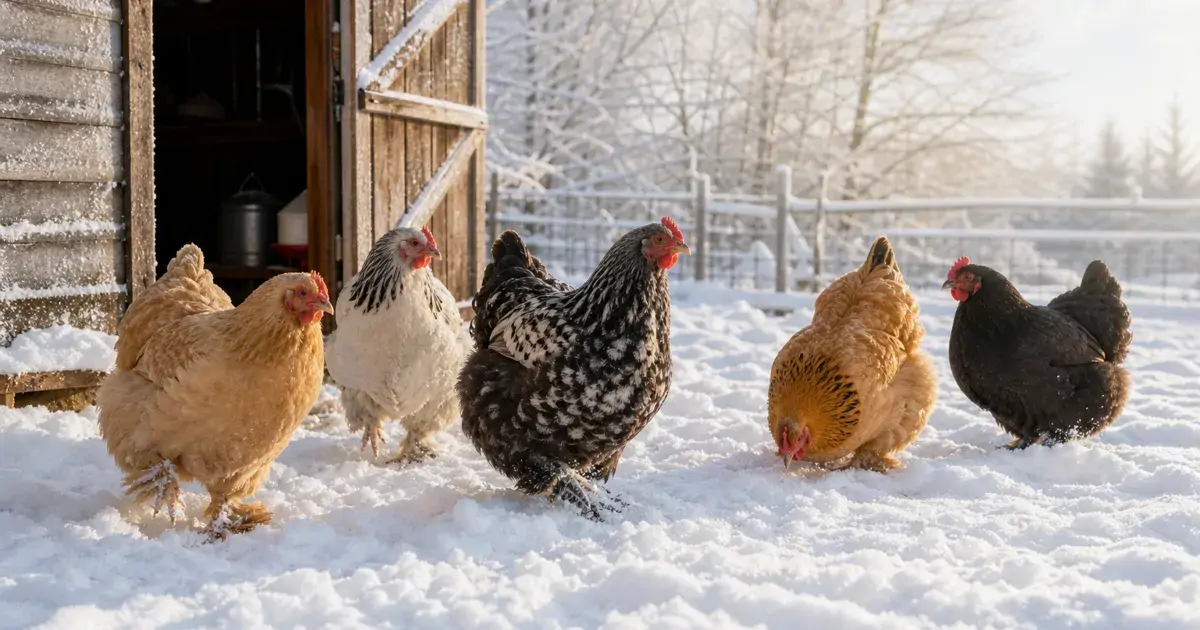
Cold Hardy Chicken Breeds: Winter Selection Guide
Choosing cold hardy chicken breeds is one of the few flock decisions that is genuinely hard to undo. Feed can be swapped, a coop can be modified, bedding can be deepened mid-season — but the birds you order in March are the birds standing in snow the following January. In regions where subzero nights, ice storms, and long stretches of gray weather are normal, breed genetics do more work than any heat lamp or coop upgrade ever will.
This guide goes deeper than a simple list of hardy names. It explains what "cold-hardy" actually describes anatomically, why comb shape matters more than feather color or body size in many cases, which breeds tend to keep laying through short winter days, and where popular recommendations break down in practice. If you are still narrowing down your options more broadly, the chicken breed selection guide covers the bigger picture of temperament, purpose, and productivity before you commit to a hatchery order.
Readers in the upper Midwest, northern New England, the Mountain West, and Alaska face the sharpest version of this problem, but the same principles apply anywhere winter lows regularly dip into the teens or below. Even keepers in transitional zones benefit, because chicken breeds cold climate selection tends to be lower-maintenance during the season when chores are least pleasant.
What Makes a Chicken Genuinely Cold-Hardy
Chickens are remarkably well insulated. A healthy adult bird carries a dense layer of down beneath its contour feathers, and by fluffing up, it traps a pocket of warm air against the skin — essentially wearing a self-adjusting down jacket. Body temperature sits around 105°F, and metabolism runs hot. The problem in winter is rarely the feathered parts of the bird. It is the bare parts: comb, wattles, and feet.
Cold hardiness in practice comes down to a handful of traits working together:
- Comb and wattle size. Large, upright combs have high surface area, thin tissue, and limited blood flow at the tips. They shed heat efficiently in summer and freeze readily in winter.
- Body mass relative to surface area. Heavier breeds lose proportionally less heat. A five-pound Leghorn and a nine-pound Brahma standing in the same weather are not having the same experience.
- Feather quality and density. Tight, well-structured feathering with abundant down insulates better than sparse or loose plumage. Breeds with soft, open feathering can hold snow and moisture against the skin.
- Tolerance for confinement. Northern winters mean weeks indoors during storms. Breeds that stay calm in close quarters get through it without picking at each other.
- Winter laying behavior. Some breeds slow down but continue; others shut off entirely until light returns.
One frequently overlooked factor is moisture. Dry cold is manageable for a well-feathered bird; damp cold is not. Humid air inside a poorly ventilated coop condenses on combs, feathers, and walls, and moisture dramatically accelerates frostbite risk. This is why a drafty-but-dry coop often outperforms a sealed, "warm" one in freezing weather.
Takeaway: Cold hardiness is less about the bird's ability to feel warm and more about protecting its exposed extremities from freezing and moisture. Genetics reduce the risk; management finishes the job.
Comb Type and Frostbite Prevention
Single Combs: Higher Frostbite Risk
If you only had one piece of information available when picking best chickens winter cold, comb type would be the most useful. Hatchery listings mention it in passing, but its practical importance is substantial.
Single combs — the tall, blade-like combs with distinct points seen on Rhode Island Reds, Leghorns, Orpingtons, and Australorps — are the most frostbite-prone. Roosters suffer disproportionately because their combs are larger. The tips are the farthest point from good circulation, which is why damage typically starts there.
Compact Comb Types for Winter Protection
Combs described as rose, pea, cushion, buttercup, or V-shaped sit low and compact against the skull. These are the insulated comb chickens northern keepers gravitate toward. A Wyandotte's rose comb or a Chantecler's cushion comb presents far less exposed tissue, and what tissue exists stays closer to the bird's body heat.
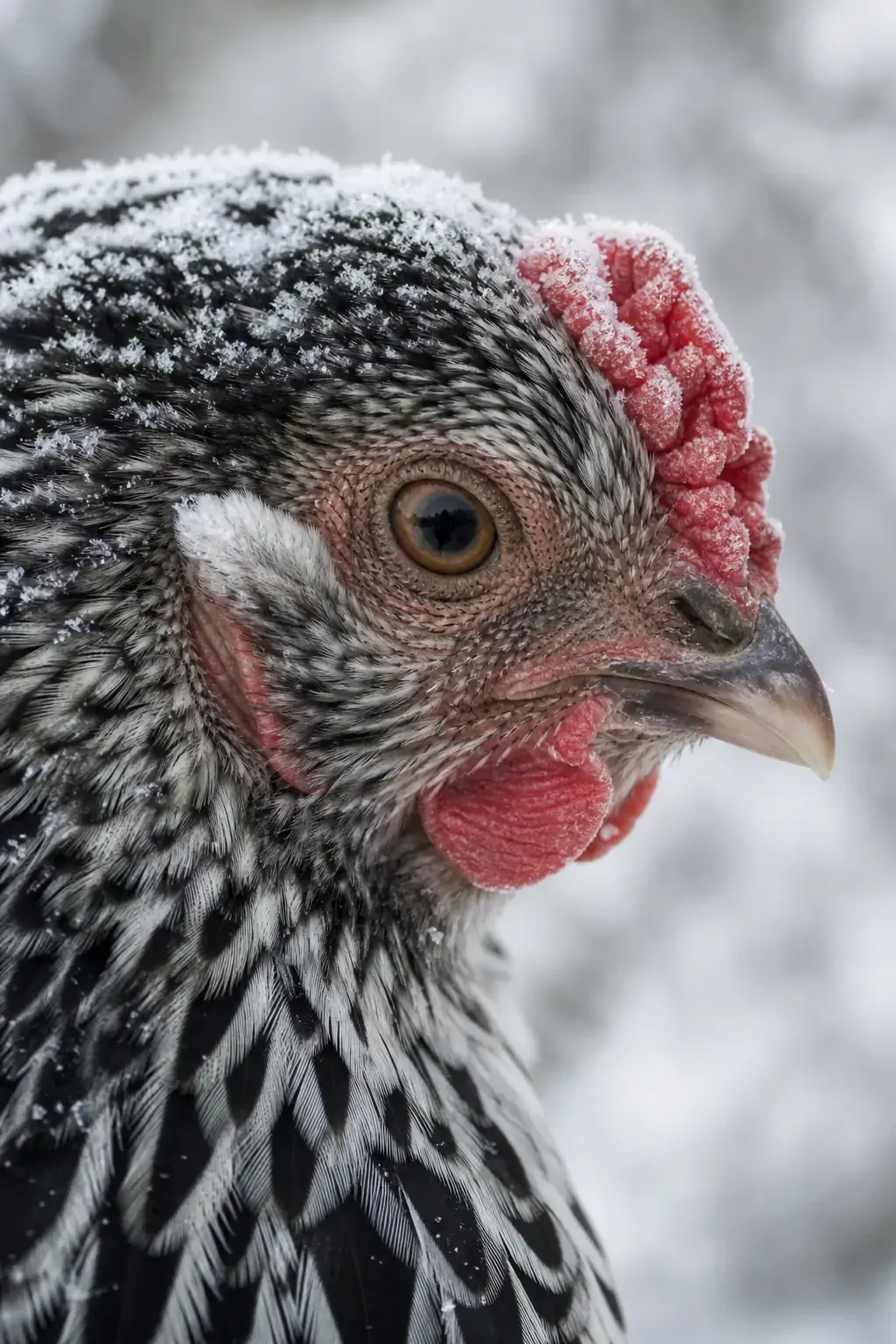
This does not mean single-combed breeds are unsuitable for cold regions. Plenty of Rhode Island Reds and Barred Rocks live long, productive lives in Minnesota. It does mean those birds carry a higher baseline risk, and the risk climbs sharply when humidity is high or ventilation is poor. Blackened or blistered comb tips may indicate frostbite and should be evaluated by a qualified professional, particularly if the bird also seems lethargic or stops eating.
A practical note many guides skip: comb size varies within a breed. Two hatchery Australorps from the same order can have noticeably different comb development. If frostbite is a persistent concern in your area, selecting from breeds with genetically compact combs removes that variability from the equation.
Takeaway: Compact comb types meaningfully lower frostbite risk in freezing climates, and they are the single easiest trait to screen for when comparing hatchery listings.
Cold-Hardy Chicken Breeds Worth Considering
Chantecler: Purpose-Built for Harsh Winters
Developed in Quebec specifically for harsh Canadian winters, the Chantecler is arguably the most purpose-built chicken breeds freeze tolerance option available in North America. It carries a tiny cushion comb, minimal wattles, a deep body, and heavy plumage. Hens are steady layers of brown eggs and continue reasonably well through winter. Availability is the main obstacle — this is a rare breed, and buyers often need to work with a specialty hatchery or breeder rather than a large commercial supplier.
Wyandotte: Rose Comb and Heavy Build
Wyandottes combine a rose comb, a rounded heavy body, and thick feathering, which makes them one of the most commonly recommended breeds that handle snow well. Silver Laced is the best-known variety, but Golden Laced, Blue Laced Red, and Columbian are widely available. They tend to be assertive rather than cuddly, and in tight winter quarters a dominant Wyandotte hen will often assert herself at the feeder. Egg production is solid but not exceptional.
Brahma: Large Frame and Pea Comb
Brahmas bring size, a pea comb, and feathered legs to the equation. Their sheer mass helps in cold, and their calm disposition makes extended confinement easier. The feathered shanks are a double-edged trait: they add insulation but collect mud and slush, and wet foot feathering can ice up. Brahmas do well on dry deep litter and less well in a muddy run during thaw cycles. They also mature slowly, so expect a later start to laying.
Buckeye: Pea-Combed and Active
A pea-combed American breed developed in Ohio, the Buckeye is compact-combed, active, and notably good at foraging even in cold conditions. Many keepers report Buckeyes remain willing to go outside on days when other breeds refuse to leave the coop. They are dual-purpose birds with moderate brown egg output and a reputation for being talkative and curious. Like the Chantecler, availability requires some searching.
Plymouth Rock (Barred Rock)
Barred Rocks are a default northern homestead choice for good reason: hardy constitution, dependable brown eggs, tolerant temperament, and easy availability. The single comb is their weak point, and roosters in particular need attention during deep freezes. Hens generally keep laying into winter better than many heritage breeds, which is part of why they remain a staple.
Australorp
Australorps handle cold better than their single comb suggests, thanks to dense black plumage and a substantial frame. They are among the more productive brown-egg layers available and tend to be calm and quiet — a genuine advantage when the flock is stuck inside for a week. Watch combs closely during extreme cold, especially on larger hens.
Dominique
America's oldest recognized breed pairs a rose comb with a moderately sized, hardy body. Dominiques are alert foragers, historically valued for exactly the kind of low-input, all-weather keeping many homesteaders aim for. They are frequently confused with Barred Rocks; the comb is the quickest way to tell them apart, and it is also the reason a Dominique is the safer choice in a frostbite-prone climate.
Easter Egger and Ameraucana
Both carry pea combs, making them well suited to freezing weather, and both add colored eggs to the basket. Ameraucanas are a standardized breed with defined color varieties; Easter Eggers are mixed-parentage birds sold for their blue or green egg genes. Feathering around the face and muffs adds a bit of extra protection. Winter laying varies widely from bird to bird, which is worth knowing before building a whole flock around them.
Buff Orpington
Orpingtons are heavily feathered, docile, and popular in northern backyards, but their plumage is loose and soft rather than tight, so it holds moisture more readily than a Wyandotte's. Combined with a single comb, that means they benefit from a dry coop and good ventilation more than some alternatives. Their gentleness makes them a favorite in family flocks — the Buff Orpington breed profile covers their temperament and laying pattern in more depth.
Salmon Faverolles
Faverolles bring a fifth toe, feathered legs, muffs, and a beard, plus a famously gentle personality. The extra facial feathering offers modest protection, and they tolerate confinement well. Their gentleness is also a liability: in a mixed winter flock, Faverolles are often the birds pushed away from feed and water, which matters more when calorie needs are high.
Quick Comparison of Cold-Hardy Breeds
| Breed | Comb Type | Approx. Hen Weight | Winter Laying | Notable Consideration |
|---|---|---|---|---|
| Chantecler | Cushion | 6.5 lb | Good | Hard to source |
| Wyandotte | Rose | 6.5 lb | Moderate | Can be pushy in confinement |
| Brahma | Pea | 9.5 lb | Moderate | Feathered legs need dry footing |
| Buckeye | Pea | 6.5 lb | Moderate | Active; wants space |
| Plymouth Rock | Single | 7.5 lb | Good | Comb needs monitoring |
| Australorp | Single | 6.5 lb | Good | Comb needs monitoring |
| Dominique | Rose | 5 lb | Moderate | Lighter frame |
| Ameraucana | Pea | 5.5 lb | Variable | Individual birds differ a lot |
| Buff Orpington | Single | 8 lb | Moderate | Loose feathering holds moisture |
| Salmon Faverolles | Single | 6.5 lb | Moderate | Often bullied at the feeder |
Weights are typical standard-bred figures; hatchery stock frequently runs lighter. For a broader side-by-side view across purposes and temperaments, the breed comparison table is a useful companion to this list.
Takeaway: Compact-combed heavy breeds offer the widest safety margin, while a few single-combed standards earn their place through reliable winter production — the right mix depends on whether eggs or resilience is your priority.
Breeds That Struggle Below Freezing
Mediterranean Breeds: Large Single Combs
Knowing what to avoid is as useful as knowing what to buy. Certain traits are genuine liabilities in a northern flock.
Large single combs on Mediterranean breeds. White Leghorns, Minorcas, Anconas, and Andalusians were developed in warm regions. They are lean, tall-combed, and excellent in heat — which is exactly why they fare poorly in extended freezes. Frostbitten combs in these breeds are common enough that many northern keepers simply skip them despite their egg output. If those breeds appeal to you, the traits that make them shine are covered in the guide to heat-tolerant chicken breeds.
Crested Breeds: Wet Feathers and Vision Issues
Crested breeds. Polish, Silkies, and Houdans carry head crests that get wet at the waterer and stay wet. A frozen crest is uncomfortable and restricts vision further in birds that already see poorly. Silkies compound the issue: their fluffy, non-interlocking feathers provide almost no waterproofing, so they soak through in wet snow.
Bantams and Small Birds: Heat Loss
Bantams and lightweight birds. Small bodies lose heat faster. Bantams can absolutely overwinter in cold regions, but they need more shelter, more reliable dry bedding, and more careful monitoring than a nine-pound Brahma. Anyone considering them should read up on bantam chicken characteristics before deciding.
Naked Neck and Frizzled Varieties
Naked Neck and frizzled birds. Reduced or disordered feathering means reduced insulation. These birds can manage with excellent shelter, but they start at a disadvantage.
Takeaway: Heat-adapted, crested, frizzled, and very small birds are not automatically off the table, but each requires management that offsets a built-in weakness. In a harsh climate, that trade-off should be intentional rather than accidental.
Winter Egg Production: Realistic Expectations
Cold hardiness and cold hardy winter layers are separate traits, and conflating them causes a lot of disappointment. Hens slow or stop laying primarily because of declining daylight, not temperature. Below roughly 12 to 14 hours of light, most hens reduce output; many heritage breeds stop entirely and use the break to molt and rebuild body condition.
Breeds selected for high year-round output — Australorps, Barred Rocks, Rhode Island Reds, Sussex, and production hybrids like sex links — generally continue laying through winter at a reduced rate. Heavier heritage breeds such as Brahmas and Wyandottes often take a longer pause. Pullets hatched in spring frequently lay straight through their first winter without molting, which is one reason staggered hatch dates help keep a basket from going empty.
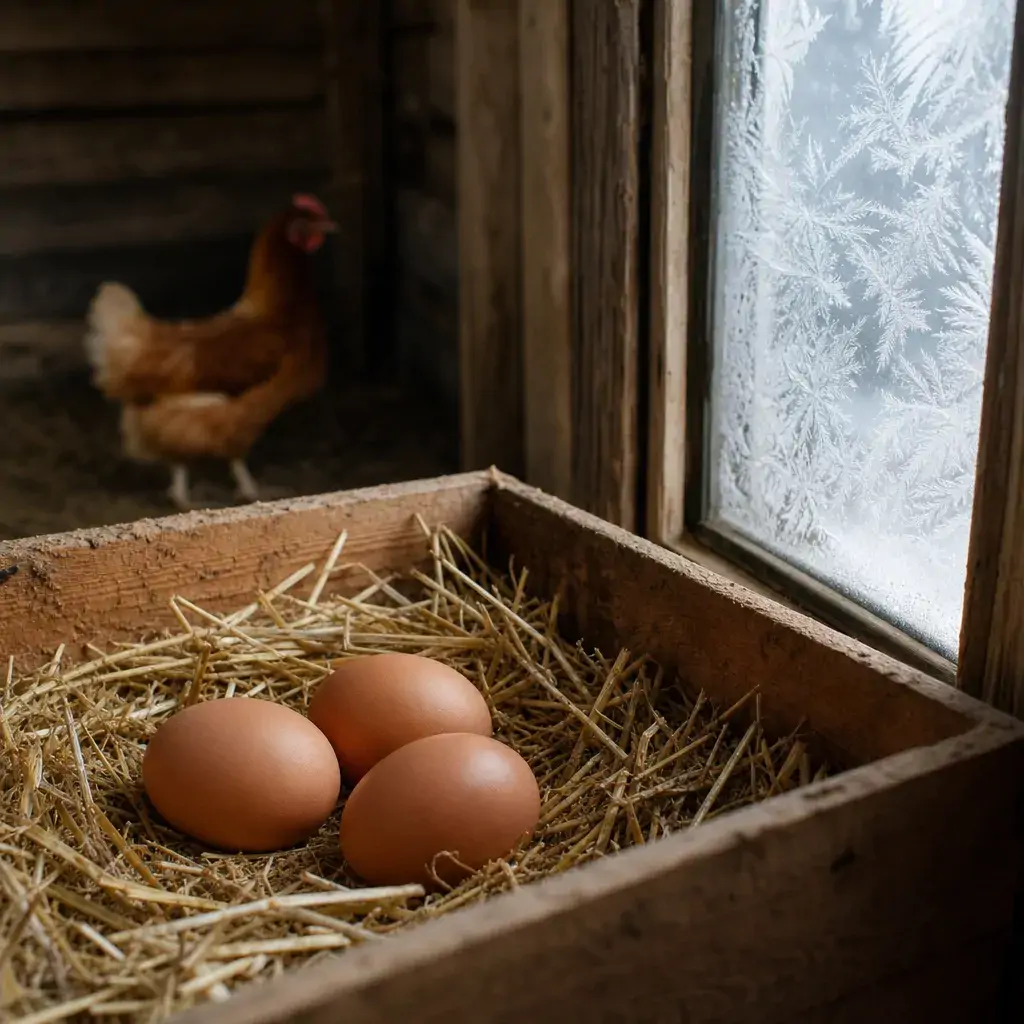
Cold weather also raises the calorie cost of laying. A hen burning energy to stay warm has less to allocate to egg formation, so feed quality matters more in January than in June. Access to unfrozen water is the other constraint that quietly ends winter laying in many flocks — a hen that cannot drink will not lay, and hens drink far less from an icy dish than most keepers assume. If maximizing output is the goal, the guide to the highest egg production breeds compares laying rates across the standards in more detail.
Takeaway: Pick for cold tolerance and winter laying separately; a bird that shrugs off subzero nights may still take three months off from the nest box.
Common Mistakes in Cold-Climate Flocks
Even with well-chosen breeds, a handful of management errors show up repeatedly in northern backyards.
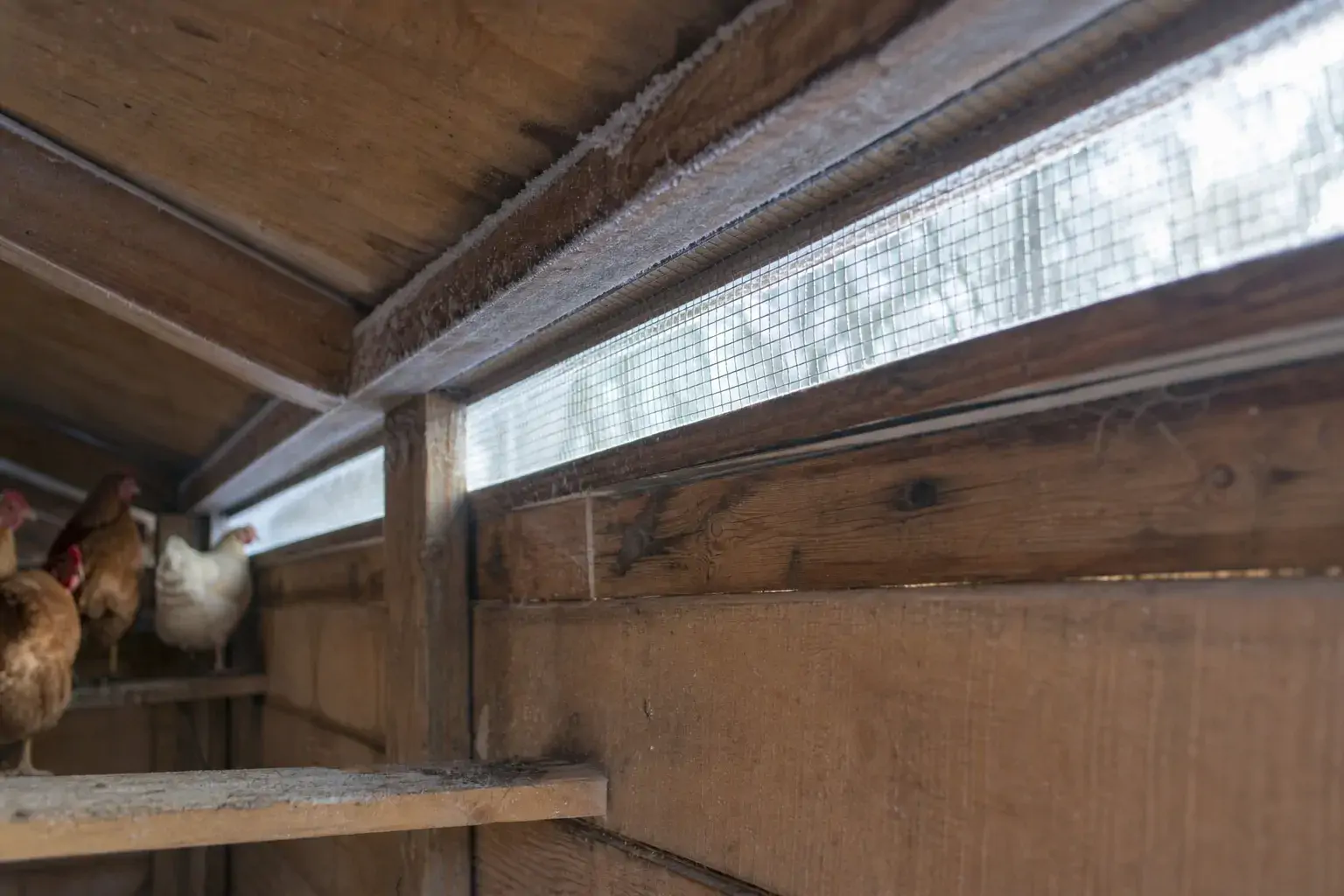
Sealing the coop tight. This is the most common and the most damaging. Chickens exhale a surprising amount of moisture, and manure adds more. Without upper ventilation, that humidity condenses and settles — and damp air at 20°F is far more dangerous to combs than dry air at 0°F. Effective winter ventilation means openings above roost height that let moist air escape without blowing directly across the birds.
Adding supplemental heat as the primary strategy. Heat lamps and similar devices create fire risk, and they prevent birds from acclimating. If a heated coop loses power during a cold snap, a flock accustomed to 50°F faces a sudden shock. Well-chosen cold-hardy chicken breeds with dry bedding, wide roosts, and good ventilation rarely need added heat.
Using narrow roosts. A flat 2x4 laid wide-side up lets a hen settle fully onto her feet and cover them with breast feathers. A narrow round dowel leaves toes exposed and gripping. It is a small detail with a direct effect on foot frostbite.
Skipping the ammonia check. Bedding that stays wet under the roost produces ammonia that irritates the respiratory tract, and confinement concentrates it. Kneel to chicken height in the morning before ventilating; if you can smell ammonia there, the litter needs attention regardless of how the coop looks.
Underestimating boredom. Weeks indoors leads to feather picking and bullying, especially in mixed flocks with a gentle breed or two. Scattered scratch in deep litter, a hanging cabbage, or extra perch levels give birds something to do. Breed temperament matters here — calmer breeds handle confinement with less conflict, which is one more reason temperament belongs in a cold-climate selection decision.
Takeaway: Dry air, wide roosts, clean litter, and enrichment do more for winter welfare than any heater, and they let good genetics work as intended.
Practical Considerations Before You Order Chicks
A few decisions made at ordering time shape how smoothly the first winter goes.
Hatch timing. Chicks hatched in late spring or early summer are fully feathered and near mature by the time hard cold arrives. Fall-hatched chicks need brooder space and heat well into winter, and they enter the cold season without full adult plumage.
Hatchery stock versus breeder stock. Commercial hatchery birds of a given breed are often lighter and sometimes have larger combs than standard-bred examples of the same breed. If you specifically want the compact comb and heavy body that make a breed cold-hardy, a breeder focused on the standard is more likely to deliver it.
Flock composition. Mixing a very docile breed with assertive ones is manageable in summer, when birds can spread out. In a closed coop during a storm, that same mix concentrates conflict. Either match temperaments or provide multiple feed and water stations.
Roosters. If you keep a male, comb type deserves extra weight. Rooster combs and wattles are substantially larger, and wattles dip into water. A pea- or rose-combed rooster is a meaningfully lower-maintenance choice in a freezing climate.
Local reality over general advice. A breed that thrives at 20 below in dry Wyoming air may struggle in a coastal region where winter means 30°F and constant damp. Regional keepers, county extension offices, and local poultry clubs tend to know which breeds actually hold up in your specific conditions.
Takeaway: Timing, source, and flock chemistry influence winter outcomes nearly as much as the breed name on the order form.
Signs Worth Watching During Cold Weather
Winter changes what normal looks like in a flock, and knowing the difference between adaptation and trouble helps you act at the right time.
Birds standing on one foot, fluffed up, or tucking heads under a wing are usually behaving normally — these are heat-conserving postures. Sitting hunched and motionless while flockmates are active is a different picture. Pale or discolored comb tissue, discharge from the eyes or nostrils, labored breathing, sudden drops in appetite, limping, or reluctance to leave the roost may indicate a problem and should be evaluated by a qualified professional, especially in a bird that is also losing weight.
Two practical habits catch most issues early. First, watch water intake — a flock that stops drinking because the waterer froze overnight declines quickly. Second, handle birds occasionally to feel breast condition through the feathers; heavy winter fluff hides weight loss remarkably well, and a bird that looks round can be thin underneath.
Takeaway: Normal winter behavior involves a lot of fluffing and standing still; persistent lethargy, discolored tissue, or dropping weight warrants professional evaluation rather than home guesswork.
Related Subtopics
These guides pair well with cold-climate breed planning:
- heritage chicken varieties — many of the heaviest, best-insulated breeds fall into this category.
- beginner-friendly chicken breeds — useful if this is your first flock and winter is already on the horizon.
Putting It Together
The strongest chicken breeds freeze tolerance profiles share a recognizable pattern: a compact comb, a substantial body, tight and abundant feathering, and a temperament that tolerates weeks of close quarters. Chanteclers, Wyandottes, Brahmas, Buckeyes, and Dominiques sit near the top of that list, while Barred Rocks and Australorps trade slightly higher frostbite risk for better winter eggs. What you avoid matters too — large-combed Mediterranean layers, crested breeds, and very small birds all start at a disadvantage when temperatures drop.
Genetics set the ceiling; management determines whether you reach it. A dry, well-ventilated coop, wide flat roosts, unfrozen water, and clean litter allow cold-hardy breeds to do what they were bred to do. Get those basics right, choose breeds suited to your actual winter rather than a generic one, and the season becomes a matter of routine chores instead of daily worry.