Best Chicken Breeds for Beginners Guide
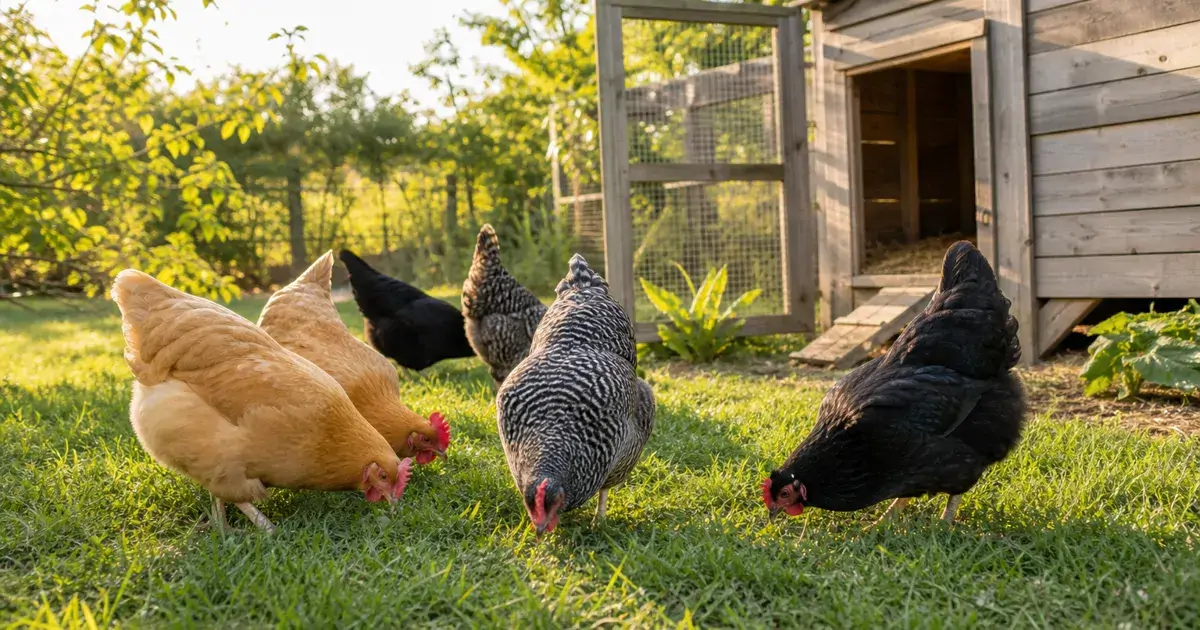
Best Chicken Breeds for Beginners
Picking your first birds is one of those decisions that quietly shapes the next five to eight years of chicken keeping. The best chicken breeds for beginners are not simply the prettiest ones in the hatchery catalog or the ones that lay the most eggs on paper — they are the birds that stay healthy in ordinary backyard conditions, tolerate handling, cope with a learning curve, and keep producing while a new keeper figures out feed, bedding, ventilation, and predator control. A forgiving breed hides small mistakes. A demanding breed magnifies them.
This guide goes deeper than a list of names. It breaks down the specific traits that make a bird beginner-friendly, compares the most commonly recommended breeds side by side, explains which popular breeds tend to frustrate first-time owners, and walks through how to assemble a starter flock that fits your climate, your space, and your goals. If you want the wider view of breed categories and how they relate to one another, the chicken breed selection guide provides that overview; this article focuses squarely on where beginners should start and why.
One thing worth setting straight from the beginning: there is no single perfect starter breed. There are, however, breeds with a much narrower range of failure — ones that stay calm in a small run, keep laying through a mediocre first winter, and rarely go looking for trouble. Those are the birds worth building a first flock around.
What Actually Makes a Breed Beginner-Friendly
Most breed lists lean on the word docile and stop there. Temperament matters, but it is only one of about six traits that separate an easy-to-raise breed from a difficult one.
- Handling tolerance. A bird that can be picked up without a chase is a bird you will actually inspect. New keepers who cannot catch their chickens tend to skip health checks entirely, which is how small problems become expensive ones.
- Low flightiness. Some breeds clear a four-foot fence without effort. Calmer, heavier breeds generally stay where you put them, which matters enormously in suburban yards with neighbors and roads nearby.
- Confinement tolerance. Active foraging breeds can grow restless and pick at each other in a small run. Breeds that settle comfortably in a modest space are far more forgiving of limited square footage.
- Consistent, moderate laying. Extremely high-output hybrids produce impressively for a couple of seasons and then decline sharply. Breeds that lay well but not frantically often stay productive longer and carry more body reserves.
- Weather hardiness. Feather type, comb size, and body mass all affect how a bird handles heat and cold. Beginners rarely have a climate-controlled setup, so hardiness does real work.
- Availability. Common breeds are cheap, widely stocked, and easy to replace or add to. Rare breeds mean waiting lists, shipping stress, and higher stakes if something goes wrong.
An overlooked factor is broodiness — the tendency to sit on eggs and stop laying. A hen that goes broody three times a season is a hen producing very few eggs, and breaking a determined broody takes patience most first-year keepers have not developed yet. Beginner chicken breeds with moderate or low broodiness spare beginners that particular headache.
Takeaway: Beginner-friendliness is a bundle of traits, not just a gentle personality. Weigh handling ease, confinement tolerance, hardiness, and broodiness together before you fall for a photo.
Beginner Breed Comparison and Selection
Breed Comparison at a Glance
The figures below reflect commonly reported ranges from hatcheries and breed associations. Actual output varies with strain, feed quality, daylight, and age — a first-year pullet from a production strain may exceed these numbers, while a third-year hen will fall below them.
| Breed | Typical eggs per year | Egg color | Temperament | Cold / heat tolerance | Broodiness |
|---|---|---|---|---|---|
| Buff Orpington | 180–250 | Light brown | Very calm, affectionate | Excellent cold, moderate heat | Moderate to high |
| Australorp | 230–280 | Brown | Quiet, gentle | Good cold, good heat | Low to moderate |
| Plymouth Barred Rock | 200–280 | Light brown | Friendly, curious | Excellent cold, moderate heat | Low to moderate |
| Rhode Island Red | 250–300 | Brown | Confident, sometimes bossy | Very good cold, good heat | Low |
| Wyandotte | 180–240 | Brown | Calm, somewhat aloof | Excellent cold, moderate heat | Moderate |
| Speckled Sussex | 200–250 | Cream to light brown | Inquisitive, people-oriented | Very good cold, good heat | Moderate |
| Easter Egger | 200–280 | Blue, green, or olive | Variable, usually friendly | Very good cold, good heat | Low |
| Red or Black Sex-Link | 280–320 | Brown | Busy, generally tame | Good cold, good heat | Very low |
| Light Brahma | 150–200 | Brown | Extremely placid | Excellent cold, poor heat | Moderate |
Read the table as a set of trade-offs rather than a ranking. Sex-links lead on egg count but tend to fade earliest. Brahmas lay the least but are among the easiest birds in the yard to manage. There is no row that wins everything, which is exactly why mixed starter flocks are so popular.
Takeaway: High egg numbers and long-term durability rarely come in the same bird, so decide which one matters more to your household before ordering.
Buff Orpington: The Family Favorite
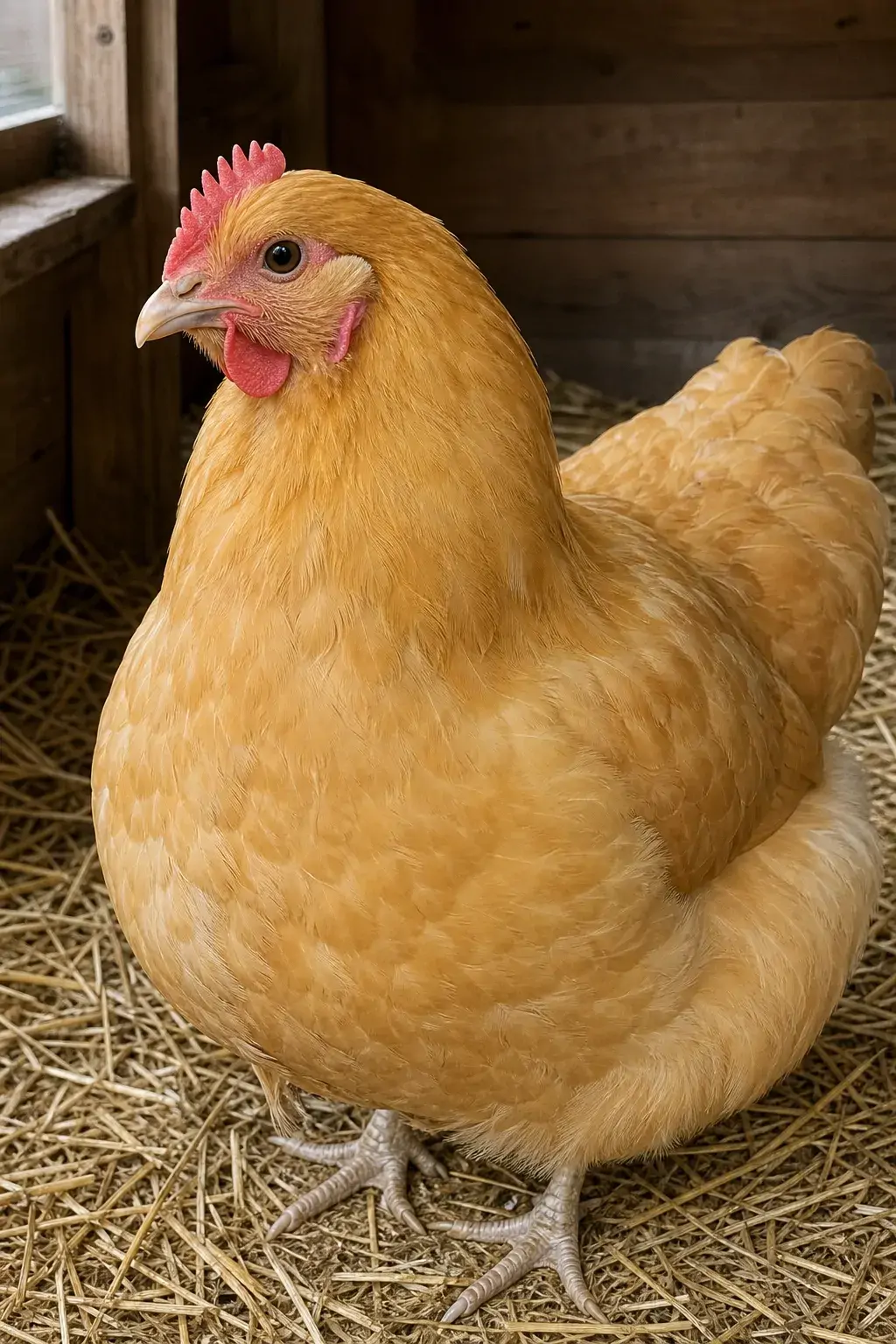
Heavy, golden, and famously mellow, Orpingtons are the breed most often recommended to families with children. Their loose feathering handles cold well and gives them a rounded, plush look that makes them easy to spot in a mixed flock. The trade-off is broodiness: many hens will settle onto a nest and refuse to move, which interrupts laying for weeks at a time. Their thick plumage also means they need real shade and cool water in hot climates. For a fuller breakdown of the breed's laying pattern and personality, see the dedicated guide to Buff Orpington breed profile.
Australorp: Steady Brown Egg Production
Australorps combine strong egg production with a genuinely quiet disposition, which is a rarer pairing than it sounds. Their black plumage carries a green sheen in sunlight, and the breed handles both humid summers and cold snaps reasonably well. They tend to be unobtrusive in a flock — neither bullies nor frequent victims. Beginners who want steady brown eggs without a high-strung bird often land here.
Plymouth Barred Rock: Reliable and Curious
The black-and-white barred pattern is instantly recognizable, and the temperament backs up the reputation. Easy chicken breeds for new keepers include Barred Rocks, which are curious, follow keepers around the yard, and are typically easy to catch. They lay dependably through cool weather, which is one reason they were a fixture on American farms for generations. Roosters can be assertive, so pullets are the safer choice for a first flock.
Rhode Island Red
Few breeds match the Rhode Island Red for sheer productivity relative to feed. They are hardy, adaptable, and forgiving of imperfect housing. The caveat is social: RIR hens frequently sit at the top of the pecking order and can be rough on timid breeds like Polish or Silkies. In a flock of similarly sturdy birds, that assertiveness rarely causes problems. More detail is available in the guide to the Rhode Island Red characteristics.
Wyandotte
Wyandottes bring a rose comb — a low, close-fitting comb far less prone to frostbite than the tall single combs on most breeds. That single anatomical detail makes them a standout in northern yards. They are calm without being especially cuddly, and their dense plumage suits cold better than heat. Silver-laced and gold-laced varieties are the most widely available.
Speckled Sussex
Sussex hens are among the most people-oriented birds in the beginner category, often trailing keepers around the run and investigating anything new. Their mottled brown plumage doubles as camouflage in leaf litter, a small but real advantage for flocks that free-range under aerial predators. Laying is solid rather than spectacular, and the breed stays productive over several seasons.
Easter Egger
Technically a mixed-heritage bird rather than a standardized breed, Easter Eggers carry the blue-egg gene and lay in shades from pale blue to olive. Appearance and temperament vary from bird to bird, which is part of the appeal and part of the gamble. Most are friendly, active foragers with pea combs that resist frostbite well. Do not expect two Easter Eggers to look or behave alike.
Red and Black Sex-Links
These commercial crosses — sold under many regional names — can be sexed by down color at hatch, which nearly eliminates the risk of surprise roosters. They are the most productive layers on this list and are typically calm around people. The limitation is longevity: output often drops noticeably after the second laying year, and heavy production strains are more prone to reproductive issues as they age. Any hen showing a swollen abdomen, sudden lethargy, or a pale shrinking comb may indicate a problem and should be evaluated by a qualified professional.
Light Brahma
Brahmas are large, feather-legged, and remarkably unbothered by almost everything. Their size discourages some predators, and their feathering makes them one of the more cold-tolerant breeds available. In exchange, they lay modestly, eat more than a lighter bird, and struggle in prolonged heat and humidity. Feathered shanks also collect mud, so dry footing matters more with this breed than most.
Takeaway: Every breed above is forgiving in a different direction — pick two or three that cover your specific weak spots rather than nine that all share the same strengths.
Breeds to Avoid as a First-Time Keeper
Popular Breeds That Often Frustrate First-Time Keepers
These are not bad chickens. They are simply poor first chickens, and the reasons are worth understanding before an impulse purchase at a farm store. Starter chicken breeds should be easier to manage, which is why certain popular varieties fall short for beginners.
- Leghorns. Outstanding layers of white eggs, but flighty, noisy, and inclined to clear low fences. Their tall single combs are frostbite-prone in cold regions. Experienced keepers manage them easily; beginners often spend the first month chasing them.
- Silkies. Charming and gentle, yet their fluffy feathers lack the interlocking structure that sheds water, so they chill quickly when wet. They also go broody constantly and sit near the bottom of most pecking orders.
- Polish and other crested breeds. The crest obscures vision, which makes them startle easily and leaves them vulnerable to bullying and predators they never saw approaching.
- Cornish Cross broilers. Bred for rapid meat growth on a short timeline, not for laying or longevity. Raising them as pets leads to serious welfare problems.
- Game and landrace breeds. Independent, athletic, and often aggressive toward other birds. They demand space and experience.
- Rare or heritage-only lines. Higher cost, limited availability, and less predictable behavior. Worth pursuing in year three, not year one.
Takeaway: Save the specialty breeds for after you have run a flock through a full year of seasons — the learning curve is much cheaper with common, hardy birds.
Climate, Space, and Local Reality Considerations
Breed choice interacts with conditions you cannot change, and this is where a lot of first-year disappointment originates.
Cold regions. Comb type matters more than most catalogs suggest. Rose, pea, and cushion combs — found on Wyandottes, Easter Eggers, Brahmas, and others — sit close to the head and are far less exposed than tall single combs. Body mass helps too, which is why heavier dual-purpose breeds dominate northern flocks. Ventilation without draft is still the deciding factor; no breed thrives in a damp, sealed coop.
Hot and humid regions. Here the priorities invert. Dense, fluffy plumage becomes a liability, and larger combs actually help birds shed heat. Lighter-bodied, tighter-feathered breeds generally cope better, and shade, airflow, and constant cool water do more than any breed selection.
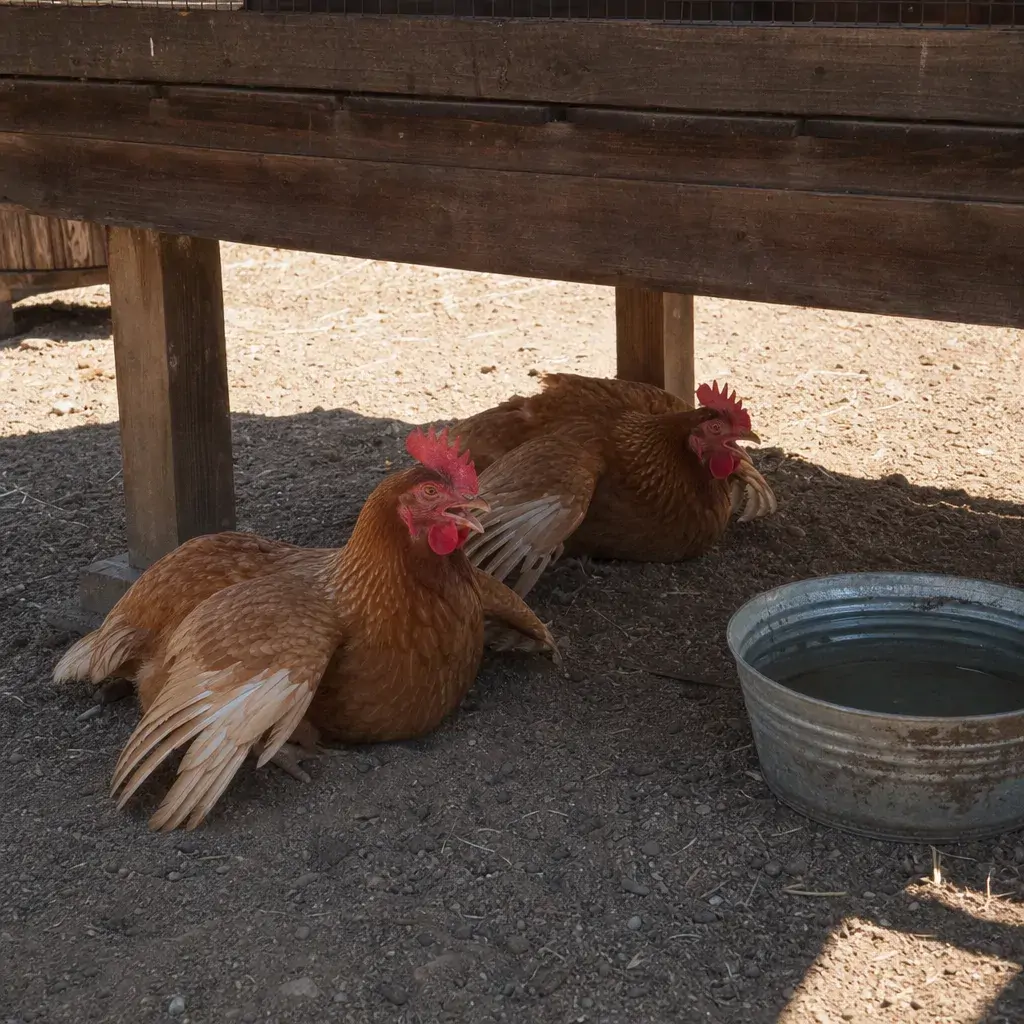
Space. A common planning error is calculating coop space and forgetting run space. Birds spend most of their waking hours outside the coop, and cramped runs are where feather picking begins. Calmer, less active breeds tolerate tighter quarters, but tolerance is not the same as thriving.
Local rules and neighbors. Many municipalities cap flock size, prohibit roosters, or set setback distances from property lines. Checking the ordinance before ordering chicks prevents the worst possible outcome — rehoming birds you have already bonded with. Even where roosters are legal, a single crowing bird can strain a suburban relationship quickly.
Predators. Feather color plays a small but real role. White and light birds are more visible to hawks against green grass, while barred, mottled, and partridge patterns break up outlines. Secure fencing matters far more, but the pattern is worth noting when free-ranging in open yards.
Takeaway: Match the breed to your climate, run size, and local ordinance first; egg color and looks should be the last filter you apply, not the first.
Building a Balanced Starter Flock
Four to six hens suits most households. That is enough to keep the birds socially settled, produce a steady supply of eggs, and absorb the loss of one bird without leaving a lone chicken behind — chickens kept singly become stressed and vocal.
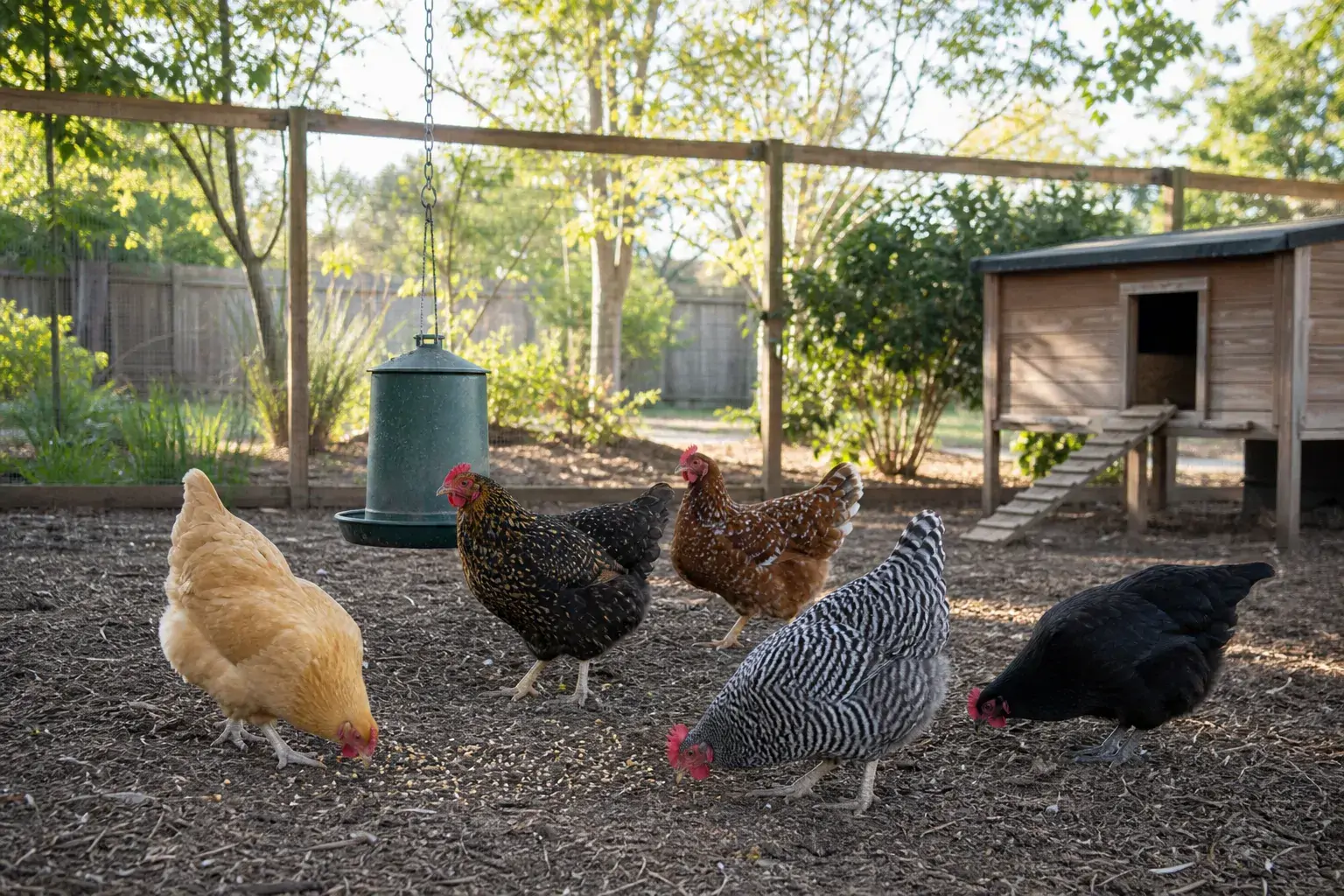
A workable starter combination might include two calm heavy breeds for reliability and handling, two moderate-to-high producers for egg volume, and one or two novelty layers for variety in the egg basket. For example: two Buff Orpingtons, two Australorps or Barred Rocks, and one Easter Egger. That mix covers cold hardiness, steady production, temperament, and a colored egg without stacking every risk in one basket.
A few structural decisions matter as much as the breed list:
- Buy pullets, not straight-run chicks, unless you specifically want roosters. Straight-run means roughly half will be male.
- Start all birds at the same age. Introducing chicks to established adults requires separate housing and a gradual process; starting together avoids it entirely.
- Choose birds of similar size and assertiveness. Mixing bantams or timid crested breeds with confident large fowl often produces a lopsided pecking order.
- Plan for the decline. Hens live well past their peak laying years. Decide in advance whether you will keep older hens, add replacements gradually, or run a rolling flock.
- Buy locally when possible. Regional hatcheries and feed stores reduce shipping stress, and local breeders often carry strains already adapted to your climate.
Takeaway: A small, same-age flock of similarly sized, similarly tempered hens is the single most reliable starter flock structure — variety in breed, consistency in size and age.
Common Mistakes When Choosing First Chickens
Certain missteps show up again and again in beginner flocks, and nearly all of them trace back to selecting birds before planning the setup.
Buying too many birds. Chicks are inexpensive and hard to resist. Six turns into twelve at the counter, and twelve birds need substantially more coop space, produce far more manure, and generate more eggs than most families can use. Under-buying is easy to fix later; over-buying is not.
Choosing by egg color alone. Blue and dark chocolate eggs are appealing, but the breeds that lay them vary widely in hardiness and output. Egg color has no effect on flavor or nutrition.
Assuming the catalog description guarantees behavior. Temperament descriptions reflect breed averages. Individual birds deviate, and how much handling chicks receive in their first weeks influences adult tameness at least as much as genetics.
Ignoring the second winter. First-year pullets often lay through their first cold season. In year two, hens molt in autumn and production drops sharply, sometimes to zero for weeks. Keepers who did not expect this frequently assume something is wrong.
Mixing incompatible sizes and temperaments. A gentle Silkie in with two Rhode Island Reds is a predictable problem, not bad luck.
Skipping the ordinance check. Worth repeating, because it is the mistake with the least recoverable outcome.
Takeaway: Most first-flock regrets come from buying birds before finishing the plan — settle housing, numbers, and local rules first, then choose breeds.
What Many Guides Miss About Beginner Breeds
Breed lists tend to treat a name as a guarantee. In practice, several factors sit underneath the label and quietly change the outcome.
Strain matters as much as breed. A Rhode Island Red from a high-volume hatchery and one from an exhibition breeder can differ noticeably in size, egg output, and temperament. Hatchery lines are generally selected for production and are usually the better fit for beginners; show lines prioritize appearance to breed standards. Neither is wrong, but they are not interchangeable.
Production intensity has a cost. The hybrids that lay 300 eggs in a first year are doing metabolically demanding work. Reproductive problems become more common as those birds age, and their productive lifespan is shorter. Heritage and dual-purpose breeds lay less per year but often spread their output over more years.
Molt timing varies by breed and shapes your egg supply. Some breeds molt quickly and resume laying; others take months. A flock made entirely of one breed can go nearly eggless at the same time, while a mixed-age, mixed-breed flock staggers the gap.
Feather color affects heat load. Dark-plumaged birds absorb more solar radiation. In an open, sunny run in a hot climate, that difference is noticeable, and it is one reason shade structures matter more than breed choice in southern yards.
Personality is partly made, not just inherited. Chicks that are handled calmly and regularly during their brooder weeks tend to be dramatically easier to manage as adults, regardless of breed. A docile breed raised without handling can still be hard to catch at six months.
Takeaway: Where you buy, which strain you get, and how you raise the chicks can matter as much as the breed name on the label.
Related Subtopics
Once you have narrowed your shortlist, these guides go deeper on the specific comparisons beginners ask about most: beginner friendly chickens that work in various settings, a side-by-side breed comparison table covering production and temperament across a wider range of breeds, a closer look at docile chicken breeds for households with young children, and detailed guidance on cold-hardy chicken breeds for anyone keeping birds through northern winters.
Final Thoughts
The best chicken breeds for beginners share a common quality: they absorb error. A calm, hardy, moderately productive hen keeps laying through an imperfect first winter, tolerates a run that is slightly smaller than ideal, and can be picked up for a health check without a chase around the yard. Orpingtons, Australorps, Barred Rocks, Rhode Island Reds, Wyandottes, Sussex, and Easter Eggers all fit that description, each with a different balance of eggs, temperament, and weather tolerance.
Build the plan before the flock. Confirm local rules, size the coop and run for the number of birds you actually want, then choose four to six same-age pullets that suit your climate and household. Start with easy-to-raise breeds, learn the rhythm of a full year, and the specialty birds will still be there when you are ready for them.