Best Chicken Breeds Guide: Selection Tips
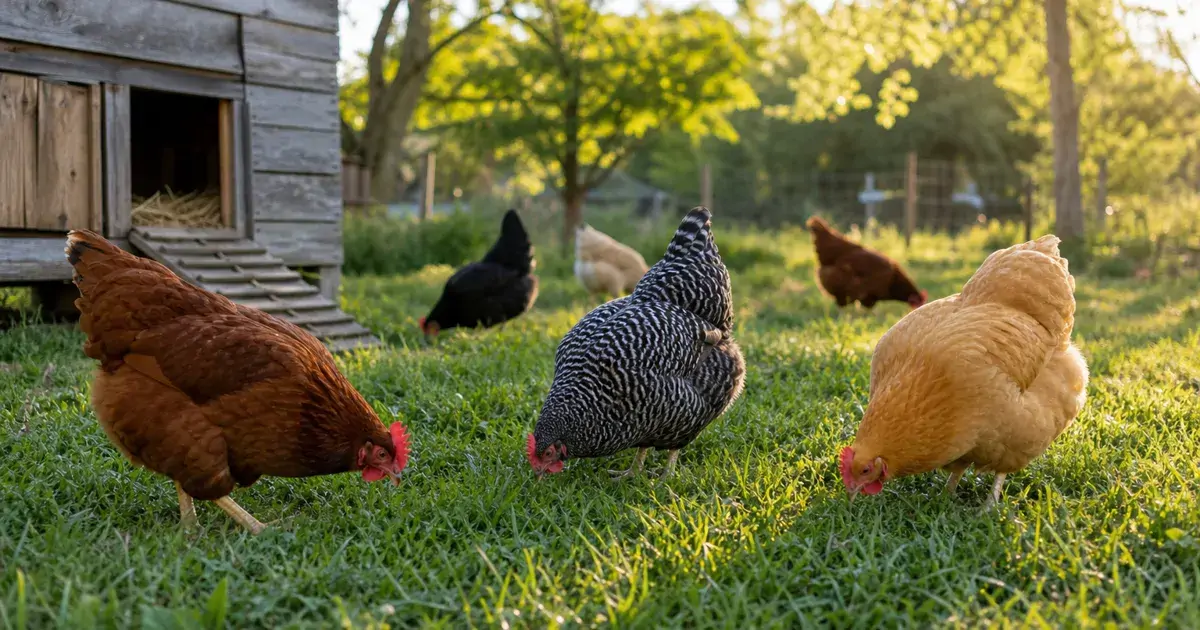
Chicken Breeds Guide: How to Choose Chicken Breeds
Few decisions shape a backyard flock as much as the breeds you choose to bring home. Feed brands can be swapped, coops can be modified, and daily routines get refined over time — but the birds themselves set the tone for years. They determine how many eggs land in the nest boxes each week, how the flock copes with a January cold snap or an August heat wave, and whether children can comfortably help with chores. That is why so many new keepers begin their research by searching for the best chicken breeds for beginners, and why breed selection deserves more attention than a quick scroll through a hatchery catalog.
Breed selection sits at the intersection of several practical questions: egg output, temperament, body size, climate tolerance, foraging ability, broodiness, and whether a bird is kept for eggs alone or for both eggs and meat. No single breed wins in every category. A hen that lays reliably through winter may be flightier than a family with young kids would prefer, while the calmest bird in the run might slow down noticeably in her third laying season.
This page works as a hub. Rather than covering every breed in depth, it maps out how the subject is organized, explains which considerations matter most for different goals, and points toward the detailed guides that answer specific questions. Readers who already know what they want can jump straight to the relevant section below.
What Breed Selection Actually Involves
Most breed decisions come down to matching a bird's built-in traits to the conditions and expectations of a particular household. A keeper in northern Minnesota faces a different challenge than one in central Texas. A homesteader raising birds for both eggs and the freezer has different priorities than someone who simply wants five hens and a steady breakfast supply.
The major topic areas covered across this cluster include chicken breed selection fundamentals, egg production, dual-purpose birds, climate suitability, temperament and family compatibility, size and space considerations, and profiles of individual popular breeds. A few common goals and the traits that tend to matter most for each:
| Primary goal | Traits that usually matter most |
|---|---|
| Steady egg supply | Annual lay rate, laying persistence, feed efficiency |
| First-time flock | Docility, hardiness, availability, forgiving nature |
| Eggs and meat | Body mass, growth rate, carcass conformation |
| Harsh winters | Comb type, feathering, cold tolerance |
| Hot, humid summers | Body size, comb size, heat dissipation |
| Family with children | Calm temperament, tolerance of handling |
| Small yard or urban lot | Bird size, noise level, space needs |
The most common stumbling block is not picking a bad breed — it is picking a mismatched one. Many owners discover this only after the first summer or winter, when a bird chosen purely for egg numbers struggles with local conditions. A second frequent issue is buying too many breeds at once, which makes it harder to learn how each type behaves within the flock.
Understanding Chicken Types and Characteristics
Starting Out: Breeds That Forgive Mistakes
First-time keepers benefit from birds that are hardy, widely available, calm around people, and not overly demanding about housing. Our guide to the best chicken breeds for beginners walks through the varieties that consistently suit new flocks, along with the reasoning behind each recommendation. This is the natural starting point for anyone who has not yet placed a chick order or brought home pullets. When exploring chicken types and characteristics, beginner breeds stand out for their forgiving nature across multiple dimensions.
Cold Weather and Winter Hardiness
Where winters run long, comb type and feather density matter as much as egg numbers. Large single combs are more exposed in freezing conditions, and lighter-bodied birds generally hold heat less effectively than heavier ones. Readers in the upper Midwest, Northeast, and mountain states will find the relevant traits and breed options explained in the guide to best chickens winter cold, which also covers how hardiness interacts with winter laying and cold-hardy chicken breed characteristics.
Heat, Humidity, and Southern Flocks
Heat stress is one of the more serious seasonal risks for backyard flocks, and some breeds simply handle high temperatures better than others. Lighter frames, larger combs, and looser feathering all help birds shed excess heat. Keepers in the South, Southwest, and Gulf regions should review the overview of chicken breeds for hot climates before committing to birds bred for northern conditions.
Egg Production as a Priority
When the main goal is filling egg cartons, production rate, laying persistence, and egg size become the deciding factors. Some breeds lay heavily for two or three seasons and then taper off sharply; others produce more modestly but stay consistent longer. The breakdown of the most productive egg layers compares output patterns, shell colors, and what realistic annual numbers tend to look like in a home flock.
Birds That Serve Two Purposes
Homesteaders often want birds that lay well and still reach a useful table weight. These heritage-leaning breeds trade a portion of peak egg output for body mass and slower, steadier growth. If self-sufficiency is part of the plan, the guide to dual-purpose chicken breeds explains the trade-offs involved and which varieties strike the most practical balance.
Temperament and Family Compatibility
A common concern among parents is whether a flock will tolerate curious hands and unpredictable movement. Temperament varies widely between breeds, and even within a breed individual birds differ. The overview of friendly chicken breeds for families focuses on the varieties known for calm, approachable dispositions and explains how handling from a young age influences behavior.
Small Birds for Small Spaces
Miniature varieties appeal to keepers with limited room, restrictive municipal rules, or an interest in ornamental birds. They eat less and need less space, though their smaller eggs and lower output surprise some first-time owners. The introduction to bantam chicken breeds covers what these birds offer, where they fall short, and how they fit into mixed flocks.
A Closer Look at the Rhode Island Red
Some breeds show up in nearly every recommendation list, and this is one of them. Known for productivity and resilience, it appears in both beginner flocks and long-established homesteads. The dedicated profile of the Rhode Island Red chicken breed covers laying performance, temperament notes, and the differences between production strains and heritage lines.
A Closer Look at Buff Orpingtons
Large, golden, and famously gentle, this breed is frequently suggested to families and cold-climate keepers alike. It also has a reputation for broodiness, which is either an advantage or an inconvenience depending on your goals. The full profile of Buff Orpington chickens explains where the breed excels and what to expect through the laying year.
Comparing Breeds Side by Side
Once several breeds are on the shortlist, the fastest way forward is a direct comparison of egg output, size, temperament, and climate tolerance in one place. The chicken breed comparison chart pulls these details together so readers can weigh options without opening a dozen separate pages. It is a useful final stop before ordering chicks.
How These Guides Work Together
Most readers follow one of two paths. Those brand new to poultry usually start with the beginner guide, then move to whichever climate article matches their region, and finish with the comparison chart to confirm their shortlist. Keepers who already have birds tend to arrive with a narrower question — better winter laying, a calmer flock, or a bird that can serve more than one purpose — and go straight to the relevant topic.
Considerable overlap exists between these subjects. Several strong egg producers also rank among the more cold-hardy options, and many dual-purpose breeds are the same birds recommended for families because of their steady temperaments. Bantam selection connects to the family-friendly discussion as well, since smaller birds are often chosen with children in mind. The individual breed profiles add depth once a name keeps reappearing in your research and you want details the broader roundups cannot cover.
One factor that gets overlooked: local availability. A breed that suits your climate and goals perfectly still has to be obtainable from a hatchery or feed store near you, and shipping minimums or seasonal sell-outs sometimes shape the final decision more than any trait on paper.
Where to Go From Here
Breed selection rewards a little upfront research. Understanding how to choose chicken breeds effectively — considering how egg production, climate hardiness, body size, and temperament interact — makes it far easier to assemble a flock that fits your yard, your winters, your summers, and the people who will be caring for the birds. There is no universal answer — only better and worse matches for a given situation.
If you are still deciding where to begin, the guide to the best chicken breeds for beginners offers the broadest starting point, while the climate-specific and production-focused articles help refine the shortlist from there. Explore the sections above that match your goals, and use the comparison resources to make the final call with confidence.