Buff Orpington Chickens: Traits, Care, and Temperament
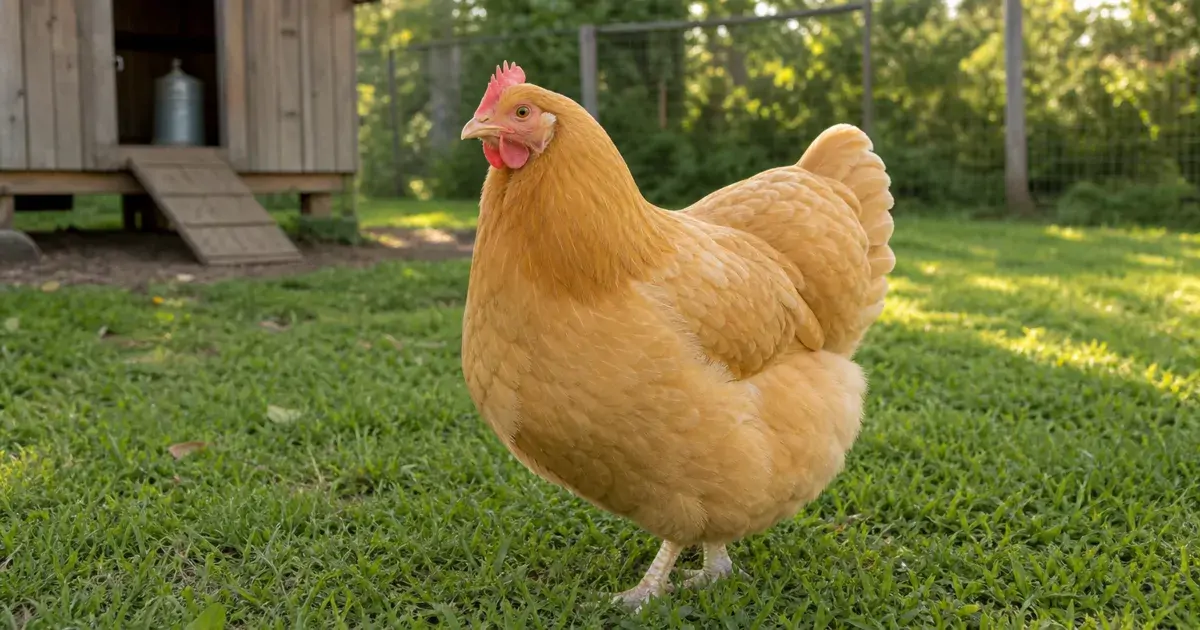
Buff Orpington Chickens: Traits, Care, and Temperament
Buff Orpington chickens rank among the most recognizable backyard breeds in North America, and it is not hard to see why. Their golden-buff plumage, rounded profile, and famously calm disposition have made them a fixture on hobby farms and suburban lots alike, often showing up in the first few results whenever someone searches for a low-drama bird that still earns its keep. For readers weighing whether this breed belongs in their coop, understanding what actually sets Buff Orpingtons apart from other popular breeds matters more than the surface-level praise found on most hatchery pages.
This guide moves past the basics to look at how Buff Orpington chickens behave in real flock settings, what their body type means for egg and meat production, and where new keepers commonly misjudge this breed's needs. Anyone researching dual purpose chicken breeds for a mixed-use flock, or simply trying to figure out whether a heavy, docile bird fits their space and climate, will find the practical detail here that shorter breed summaries tend to skip.
By the end, readers should have a clear picture of what daily life with this breed actually looks like, including the trade-offs that come with its size and coat, not just a list of standard measurements copied from a hatchery catalog.
Buff Orpington Characteristics: Size, Appearance, and Origin
The Orpington breed was developed in Kent, England, during the late 1800s by William Cook, a poultry breeder who set out to combine several existing breeds into a single practical farmyard bird rather than a show-ring novelty. Cook crossed heavier breeds with an emphasis on a clean-legged, fast-maturing body and a coat color that would hide dirt well in an era before pristine coop management was the norm. The buff color variety, now the most common of several recognized Orpington colors that also include black, blue, and white, was introduced not long after the original black Orpington and quickly became the version most people picture when they hear the breed name.
It was bred with a working farm in mind: a bird that could lay reliably through cooler months, dress out to a respectable size at the table, and tolerate the kind of damp, chilly weather common in the English countryside. That original utility focus still shapes the modern breed's strengths and limitations more than most current owners realize, since decades of show breeding for feather quality and body shape have shifted emphasis somewhat away from pure production numbers.
Buff Orpington Size and Body Type
One of the defining Buff Orpington characteristics is sheer bulk. Roosters typically reach 8 to 10 pounds at maturity, with hens settling in around 6 to 8 pounds, placing the breed solidly in the heavy dual-purpose category alongside birds like the Rhode Island Red chicken. What surprises many new keepers is how much of that apparent size comes from feathering rather than frame. The breed carries loose, generous plumage that gives it a soft, almost spherical silhouette, and this is where a common misjudgment creeps in: people assume a bird this fluffy must also be this heavy in muscle, then overfeed or underfeed based on that assumption instead of actual body condition.
Handling a Buff Orpington for the first time often makes this clearer than any written description. Underneath the feathering, the actual body frame is noticeably smaller than the visual impression suggests, which matters when estimating feed costs, coop weight limits for roosting bars, or meat yield if the bird is being raised for the table. A useful habit is to physically feel along the keel bone periodically rather than relying on eyeballing plumage volume to judge condition.
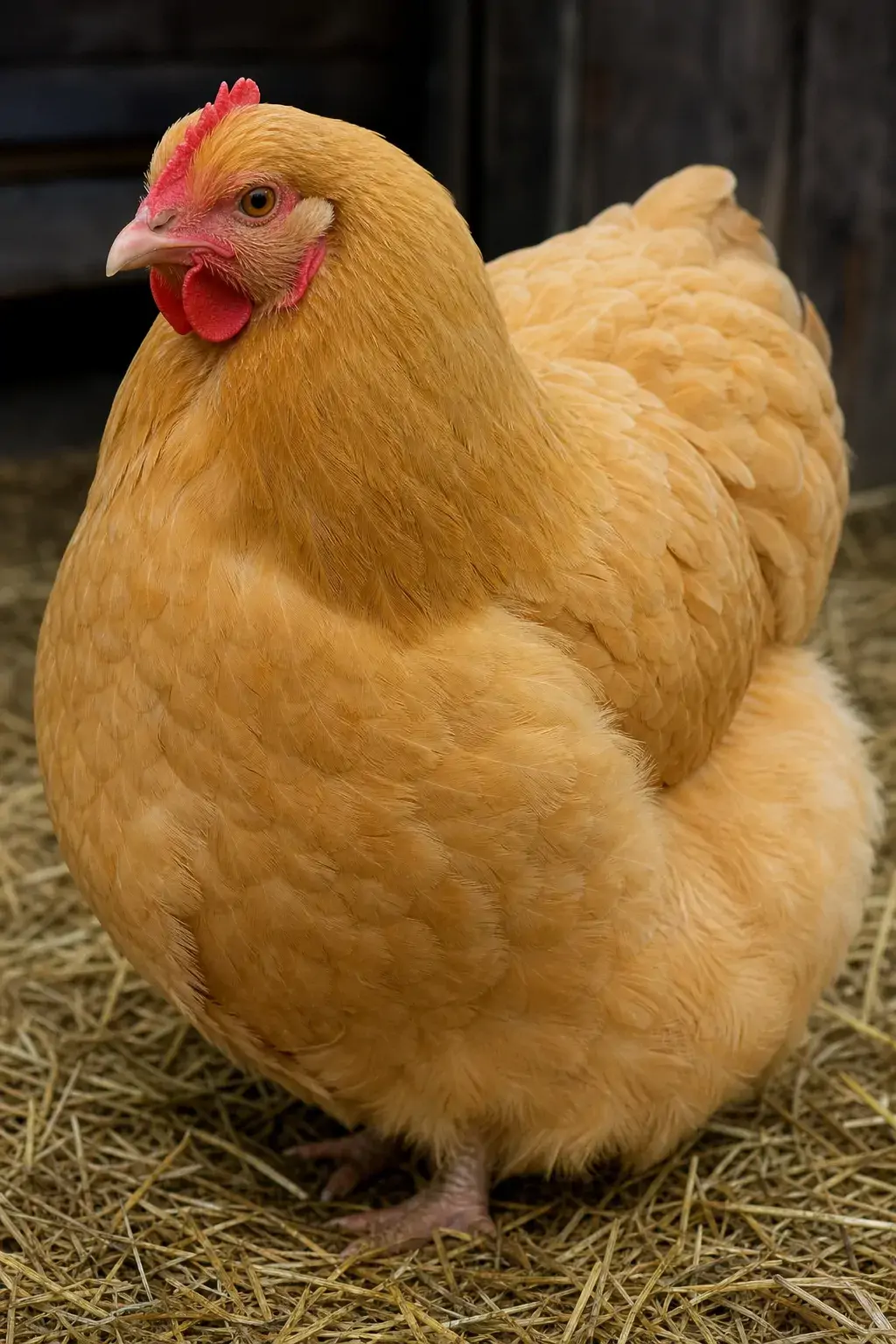
That same dense feathering is also why the breed shows up so often on lists of cold hardy chicken breeds. The extra insulation, combined with a relatively small single comb that is less prone to frostbite than larger comb types, lets Buff Orpingtons handle freezing temperatures with minimal extra intervention beyond a draft-free coop and unfrozen water access. The trade-off, and it is a real one, is that the same coat that protects them in January can work against them in July. Heat management deserves just as much planning as cold-weather prep, something many breed overviews gloss over entirely in favor of repeating how well the breed handles winter.
Appearance-wise, the breed's low, broad body, short legs, and generous cushion of feathers around the thighs give it a distinctly rounded look compared to the more upright, athletic stance of egg-focused breeds. The single comb and wattles are typically a bright red against the golden-buff feathering, and clean, unfeathered legs make the breed easy to distinguish from feather-legged heritage breeds at a glance. Feather quality does matter for anyone buying from show-line breeders rather than a standard hatchery, since even coloring and a lack of dark peppering in the plumage are judged criteria that hatchery stock does not always meet as consistently.
In short: the Buff Orpington's size and coat are built for cold-climate utility, and keepers in hot regions need to plan around that limitation rather than ignore it.
Temperament and Behavior in the Backyard Flock
Ask any longtime poultry keeper to name the calmest breed in their flock, and Buff Orpingtons come up constantly. They tend to be slow-moving, unbothered by handling, and generally uninterested in flying or escaping enclosures, which makes them easier to manage in modest backyard setups than flightier, more high-strung breeds. This predictability extends to noise level as well; hens are not silent, but they lack the piercing, persistent vocalizing that makes some breeds a poor fit for closer suburban lots.
Why Buff Orpingtons Are Called the Golden Retriever of Chickens
The comparison to a family dog is not just marketing language. Many owners describe the breed as the golden retriever of chickens because of its easygoing, people-oriented nature: it tolerates handling well, sits still for inspection, and rarely shows aggression toward keepers, even during molting or breeding season when some other breeds turn noticeably testier. This reputation is a large part of why the breed appears so often on lists built around friendly chicken breeds families can safely keep, and why it is frequently recommended among beginner friendly chickens for households with young kids who want to be involved in daily care.
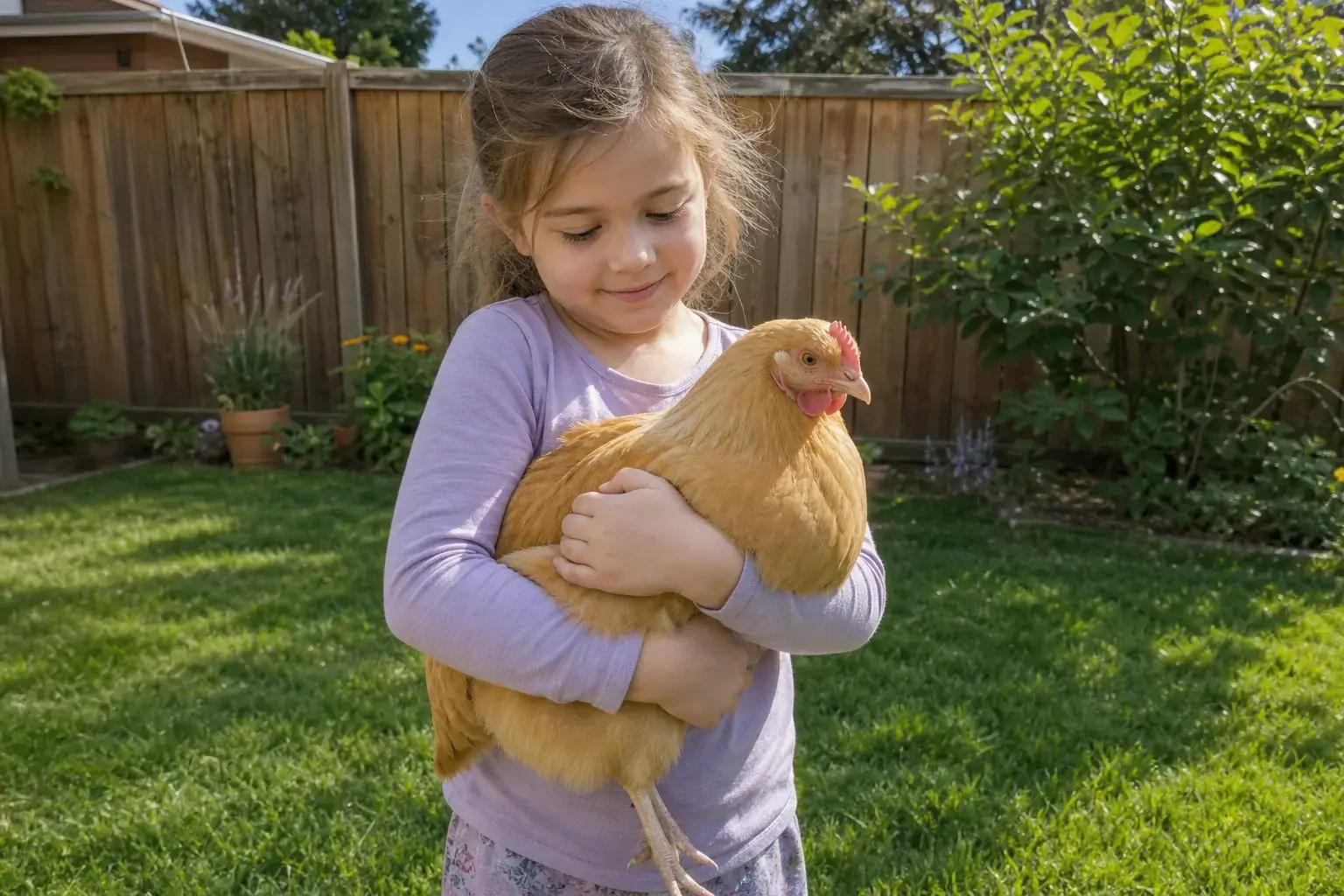
That said, gentle temperament comes with a flip side worth planning for. In mixed flocks with more assertive breeds, Buff Orpingtons can end up at the bottom of the pecking order, losing out on feeder and roost access if space is tight. A frequently overlooked factor is that their calm nature is a disadvantage, not a neutral trait, once competition for resources increases. Keepers running mixed-breed flocks should watch early interactions closely during the first few weeks of integration and add extra feeding stations if bullying patterns appear, rather than assuming the flock will sort itself out naturally.
Broodiness is another behavioral trait worth flagging in detail. Buff Orpington hens go broody more readily than many production-focused breeds, which is useful for keepers who want a natural incubator for hatching eggs but frustrating for anyone chasing consistent egg output, since a broody hen typically stops laying and spends weeks sitting on a nest, fertilized or not. Breaking a determined broody hen can take persistent effort, and simply removing eggs from the nest is often not enough on its own.
It is also worth noting how this temperament plays out around other animals on the property. Many keepers report that Orpingtons coexist reasonably well with dogs and other pets once introductions are handled carefully, largely because the bird's default response to unfamiliar stimuli is to freeze or move away slowly rather than panic and bolt, which is a common trigger for chase behavior in dogs that have not been trained around poultry. That said, calm temperament is not the same as fearlessness, and predator-proofing a run still matters just as much for this breed as any other, since a docile bird offers no natural defense against a determined hawk or raccoon.
Overall, expect a calm, people-friendly bird that needs a little extra flock-management attention around feeding hierarchy and broodiness cycles rather than a completely hands-off breed.
Orpington Chicken Care and Egg Production
Good Orpington chicken care starts with matching housing and feed to the breed's actual size and activity level rather than generic flock averages pulled from a smaller or more active breed. This section works as a practical Buff Orpington breed guide for anyone moving from research into ownership, covering egg output, dual-purpose value, and the mistakes that show up most often with this particular breed.
Egg Laying and Dual-Purpose Value
Buff Orpington chickens are moderate layers, typically producing around three to four large, light brown eggs per week under normal conditions, with production dipping further during broody spells and molting. That places them behind specialized layer breeds but ahead of most pure meat breeds, which is exactly the point of a dual-purpose bird: steady household egg supply paired with a carcass substantial enough to be worth raising for meat if that is part of the plan. Compared to leaner, more athletic breeds, Orpingtons also tend to put on fat more readily, which affects both feed conversion and final meat texture, something worth considering for anyone weighing them against other dual purpose chicken breeds for a mixed-use flock.
Egg laying typically starts a bit later than in smaller, faster-maturing breeds, often closer to five or six months of age rather than four, which is one more reason patience matters with this bird. Production tends to hold up reasonably well through the first two laying seasons before tapering, a pattern fairly typical of heavier heritage-leaning breeds bred for longevity rather than peak short-term output.
Common Mistakes When Keeping Buff Orpingtons
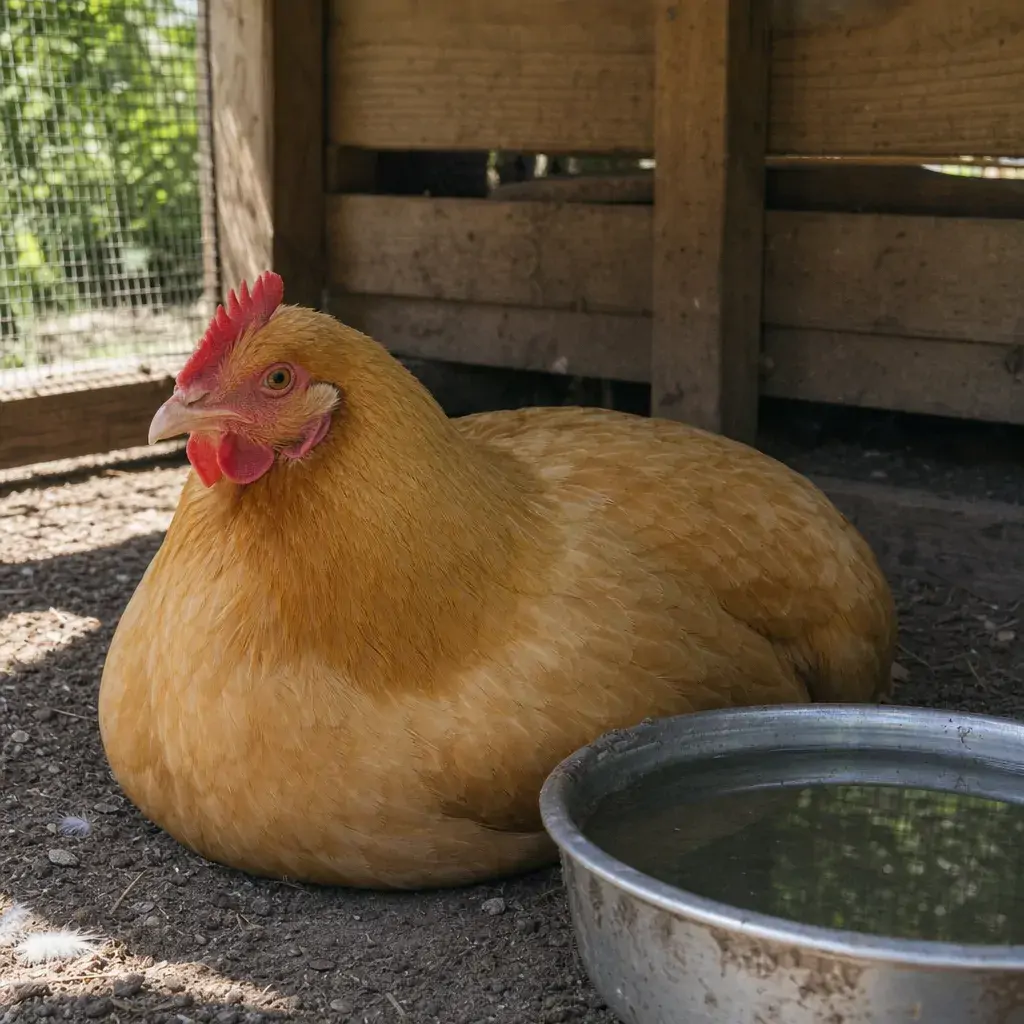
A recurring issue in warmer climates is treating this breed like any other backyard chicken during summer. Because of the dense feathering discussed earlier, Buff Orpingtons are more prone to heat stress than leaner breeds, and shade, ventilation, and constant access to cool water become non-negotiable rather than optional extras once temperatures climb into the eighties and beyond. Excessive panting, drooping wings, or unusual lethargy during hot weather may indicate a problem and should be evaluated by a qualified professional rather than managed through guesswork or home remedies.
A second common mistake involves overestimating this breed's foraging drive. Their calm, low-energy temperament means they forage less aggressively than more active breeds, so keepers relying on free-ranging alone to meet nutritional needs often end up with birds that are heavier than ideal but under-conditioned, particularly around egg-laying performance. Supplementing with a properly balanced layer feed, rather than assuming pasture access covers the gap, keeps both weight and production on track through the year.
Space planning is worth a mention too. Given their size, Buff Orpingtons need more coop and run square footage per bird than smaller breeds, and cramming them into housing designed around lighter breeds is one of the more common early setup errors among new keepers. Roosting bars also need to sit lower and be built sturdier than what a lighter breed would require, since a heavy bird jumping down from a high perch repeatedly can contribute to foot problems over time.
Feed formulation deserves a closer look too. A standard layer ration works for most of the year, but keepers managing meat-focused birds or roosters being grown out for the table often shift toward a higher-protein grower feed earlier and longer than they would with a lighter breed, simply because there is more frame and muscle to build. Grit and calcium supplementation follow the same general rules as any other breed, but portion sizes should scale up to match the bird's larger appetite rather than staying at a one-size-fits-all amount.
Taken together, this breed rewards keepers who plan for its size, feathering, and moderate laying pattern rather than treating it as a smaller, generic backyard bird.
Buff Orpington chickens remain a strong choice for keepers who value a calm, cold-hardy, dual-purpose bird over maximum egg output, provided their heat sensitivity, broodiness, and space needs are factored into daily management rather than treated as afterthoughts. Matched to the right climate and flock setup, they tend to be one of the more forgiving breeds for people still building confidence with backyard poultry, offering steady eggs, respectable table weight, and a temperament that makes daily chores considerably easier.