When Do Chickens Stop Laying Age?
When Do Chickens Stop Laying Age?
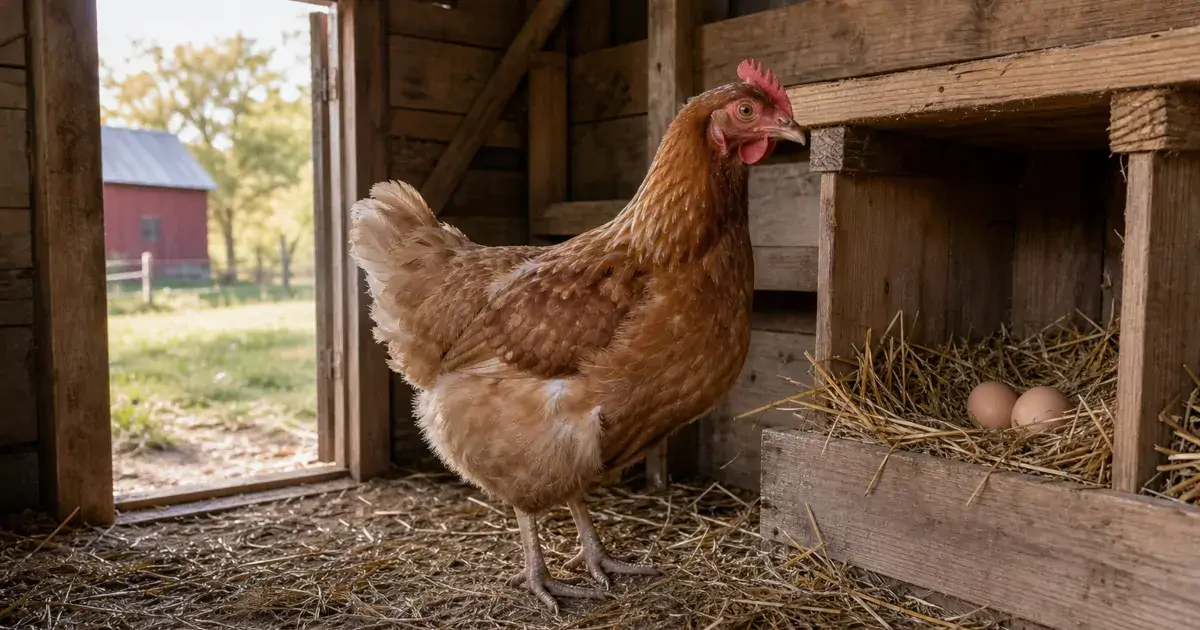
Few questions come up more often among backyard flock keepers than when do hens stop laying eggs — and the honest answer is that most hens never fully "stop" on a fixed calendar date. Instead, they follow a gradual, fairly predictable curve in which output peaks early, then tapers year after year until eggs become occasional rather than routine. Understanding that curve matters because a normal, expected slowdown is often mistaken for illness, poor feed, or a management failure, which sends keepers chasing problems that do not exist. For the broader picture of everything that can interrupt production, our main guide to egg-laying problems covers the full range of causes; this page focuses specifically on age and explores chicken age egg production decline in depth.
How Long a Hen's Laying Life Actually Lasts
A pullet typically begins laying somewhere between 18 and 24 weeks of age, though heavy dual-purpose and heritage breeds may take 26 to 32 weeks or longer. From that point forward, a hen's reproductive lifespan is limited not by an internal clock alone but by biology: she is hatched with a finite number of undeveloped ova in her ovary. Extension poultry resources commonly note that a female chick's ovary contains many thousands of potential ova, far more than she will ever release, so the limiting factor in later life is usually not "running out" of ova but the declining efficiency of the entire reproductive tract.
In practical backyard terms, most hens lay reliably for two to three years, produce a reduced but useful number of eggs through years four and five, and become sporadic layers after that. Hens frequently live to eight or ten years of age — sometimes longer — meaning a substantial portion of a chicken's life may be spent as a non-producing or barely producing member of the flock. Setting realistic older hen laying expectations early on prevents disappointment and helps keepers plan flock size, feed budgets, and whether they want to add new pullets on a rotating schedule.
It is also worth separating two different phenomena that both look like "stopping." The first is the annual pause: nearly every hen takes a break during molt and during the shortest days of the year, then resumes. The second is true age-related decline, in which each successive laying cycle is shorter, less intense, and separated by longer rest periods. Only the second one is permanent, and even then it is rarely absolute. Understanding the distinction helps keepers recognize that older hens laying fewer eggs is a normal progression, not a crisis.
Age and Egg Output Guide: Year-by-Year Expectations
The following table offers a general age and egg output guide based on figures widely reported by university extension programs and hatchery production data. Numbers describe a moderately productive backyard hen of a common breed; high-output commercial hybrids will start higher and decline more steeply, while heritage and ornamental breeds may start lower and hold steadier. This guide helps clarify when do chickens stop laying age and what to expect.
| Hen's Age | Typical Output (% of Peak) | Rough Eggs Per Year | What Keepers Usually Notice |
|---|---|---|---|
| 18–24 weeks (point of lay) | Rising toward peak | — | Small "pullet eggs," irregular timing, occasional shell oddities |
| Year 1 (first full laying year) | 100% (peak) | 200–300 | Near-daily eggs, few pauses, consistent shell quality |
| Year 2 | Roughly 80–90% | 180–250 | First real molt pause, slightly larger eggs, thinner shells |
| Year 3 | Roughly 65–80% | 140–200 | Longer molt break, more skipped days, more shell variation |
| Year 4 | Roughly 50–65% | 100–160 | Clear weekly gaps; laying seasons noticeably shorter |
| Year 5 | Roughly 35–50% | 60–120 | Spring flush followed by long dormant stretches |
| Years 6–8 | Under 30% | 0–60 | Occasional eggs, often only in spring; some hens finish entirely |
| Years 9+ | Minimal | 0–20 | Retirement; eggs are the exception, not the rule |
A frequently cited rule of thumb is that production falls by roughly 10 to 20 percent with each successive laying year. That figure is an average, not a promise — individual hens deviate widely, and two sisters from the same hatch can follow visibly different curves. Understanding aging hen reproduction patterns helps keepers set realistic expectations.
Laying Decline by Age: A Stage-by-Stage Profile
Because averages hide the texture of what actually happens, it helps to look at laying decline by age as a series of distinct life stages, each with its own signature.
Point of Lay (18–32 Weeks)
The first weeks of laying are the least consistent period of a hen's productive life apart from old age. Early eggs are small, sometimes yolkless, and occasionally arrive with wrinkled or unusually pale shells while the reproductive tract calibrates itself. Timing is erratic, and a pullet may lay two days on, one day off before settling into rhythm. This stage is not a decline at all, but it is worth knowing because irregular pullet eggs are sometimes misread as a problem when they are simply a system coming online.
The First Laying Year: Peak Performance
The first full year is the benchmark against which everything later is measured. A well-fed hen in a low-stress environment with adequate daylight will lay at or near her genetic maximum, and most breeds do not take a significant molt during this period because they were hatched, raised, and brought into lay within a single seasonal cycle. Shell thickness and internal quality are usually at their best. This represents peak egg laying age chickens, when production is at its highest. Keepers who acquire hens as day-old chicks tend to remember this year as the effortless one.
The Second Year: The First Honest Drop
Year two introduces the first real annual molt, typically in late summer or fall, and that pause alone can remove four to twelve weeks of laying from the calendar. Beyond the molt itself, output after resumption is generally somewhat lower than the previous peak. Egg size increases — a welcome trade for many keepers — but because the hen deposits roughly the same amount of shell material over a larger surface, shells tend to thin slightly. This is the stage where how egg production changes with age first becomes visible in the egg basket rather than in theory.
The Third Year: Gaps Become the Norm
By the third laying year, most hens skip days routinely rather than occasionally. Clutches shorten, meaning a hen might lay four eggs in a row and then rest two days instead of laying six and resting one. Molting tends to last longer and start earlier. Shell quality becomes more variable from egg to egg, and shells may feel noticeably thinner or show more surface texture. Some keepers also notice blood in chicken egg at this stage, usually from a small rupture in the shell gland lining that isn't cause for alarm on its own. Production is still meaningful, but a small flock of third-year hens will not fill an egg carton as quickly as it once did.
Years Four and Five: Seasonal Layers
Hens in this range often shift from being year-round producers to being seasonal ones. A common pattern is a burst of laying in early spring as daylight lengthens, steady but reduced output through early summer, a long molt, and then months of nothing. Realistic older hen laying expectations at this stage mean thinking in terms of a laying season rather than a laying week. Many keepers find these hens still valuable for flock cohesion, broodiness, pest control, and their role teaching younger birds where to roost and forage.
Years Six Through Eight: Occasional Eggs
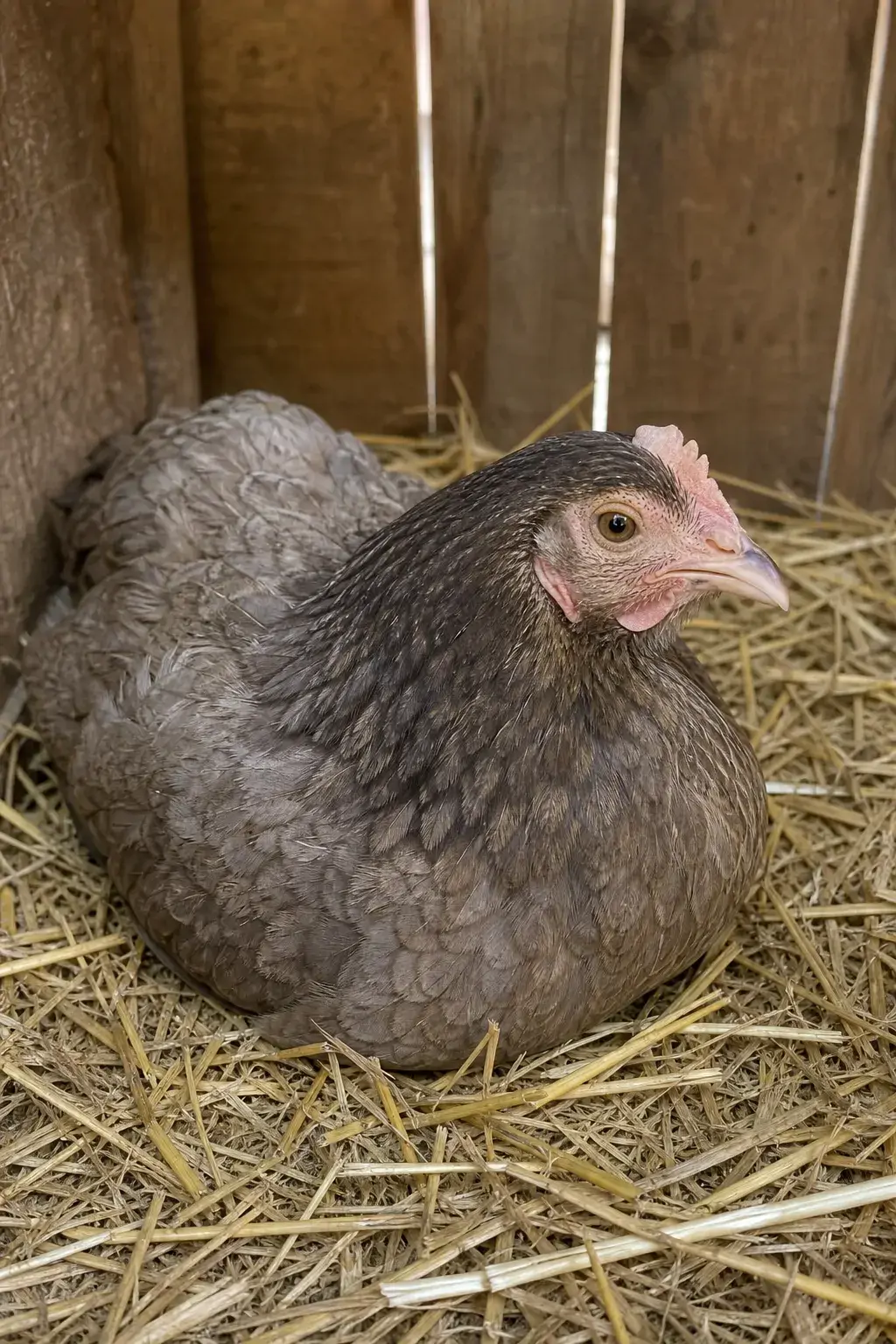
Eggs at this age are best described as a pleasant surprise. Some hens produce a handful each spring; others quietly finish laying altogether and never resume. Eggs that do appear are often large, sometimes with rougher shells or more frequent internal irregularities. Physical signs of reproductive rest are common — a paler, smaller comb and wattles, a narrower pelvic gap, and a smaller, drier vent. None of these are problems in themselves; they are simply the outward look of a hen whose reproductive tract is idle.
Year nine and beyond marks true retirement. Hens can live well into their teens in exceptional cases, and by this stage they are companion animals rather than producers. Care priorities shift entirely toward comfort: easy access to feed and water, low roosts to protect aging joints, protection from bullying by younger birds, and vigilant parasite control, since older birds may preen less thoroughly.
Why Egg Production Changes With Age
Understanding the mechanics behind the curve makes the decline far less mysterious. Several processes work together, and recognizing them clarifies why chicken age egg production decline is inevitable and normal.
- Longer intervals between eggs. A hen does not lay a full 24-hour egg; the process typically takes 24 to 26 hours or more, so the daily laying time drifts later until she skips a day and resets. As hens age, that interval lengthens, which mathematically reduces eggs per week even if nothing else changes.
- Shorter, less intense clutches. The hormonal signaling that drives consecutive-day laying weakens over time, producing shorter runs of eggs separated by longer rest days.
- Longer and more complete molts. Older hens tend to molt earlier, drop more feathers, and take longer to regrow them. Because feather protein and eggshell production compete for the same nutritional resources, laying halts during this period.
- Declining shell gland efficiency. The shell gland deposits calcium carbonate over a fixed window. In older hens, calcium absorption from the gut and mobilization from bone reserves become less efficient, and eggs are larger, so the same amount of shell material stretches further. The result is thinner, more fragile shells.
- Reduced tract elasticity and muscle tone. The oviduct of an older hen is less efficient at moving and shaping an egg, which contributes to more misshapen eggs, more internal quality variation, and a higher rate of soft or shell-less eggs.
- Cumulative wear and body condition. Years of high output, previous illnesses, parasite loads, and internal fat deposition all leave a mark on reproductive performance.
None of these individually stops a hen from laying. Together, they explain why how egg production changes with age looks like a slope rather than a cliff, and understanding why a chicken stopped laying after moving can help distinguish age from other stressors that accelerate these processes.
Breed and Genetics Shape the Curve
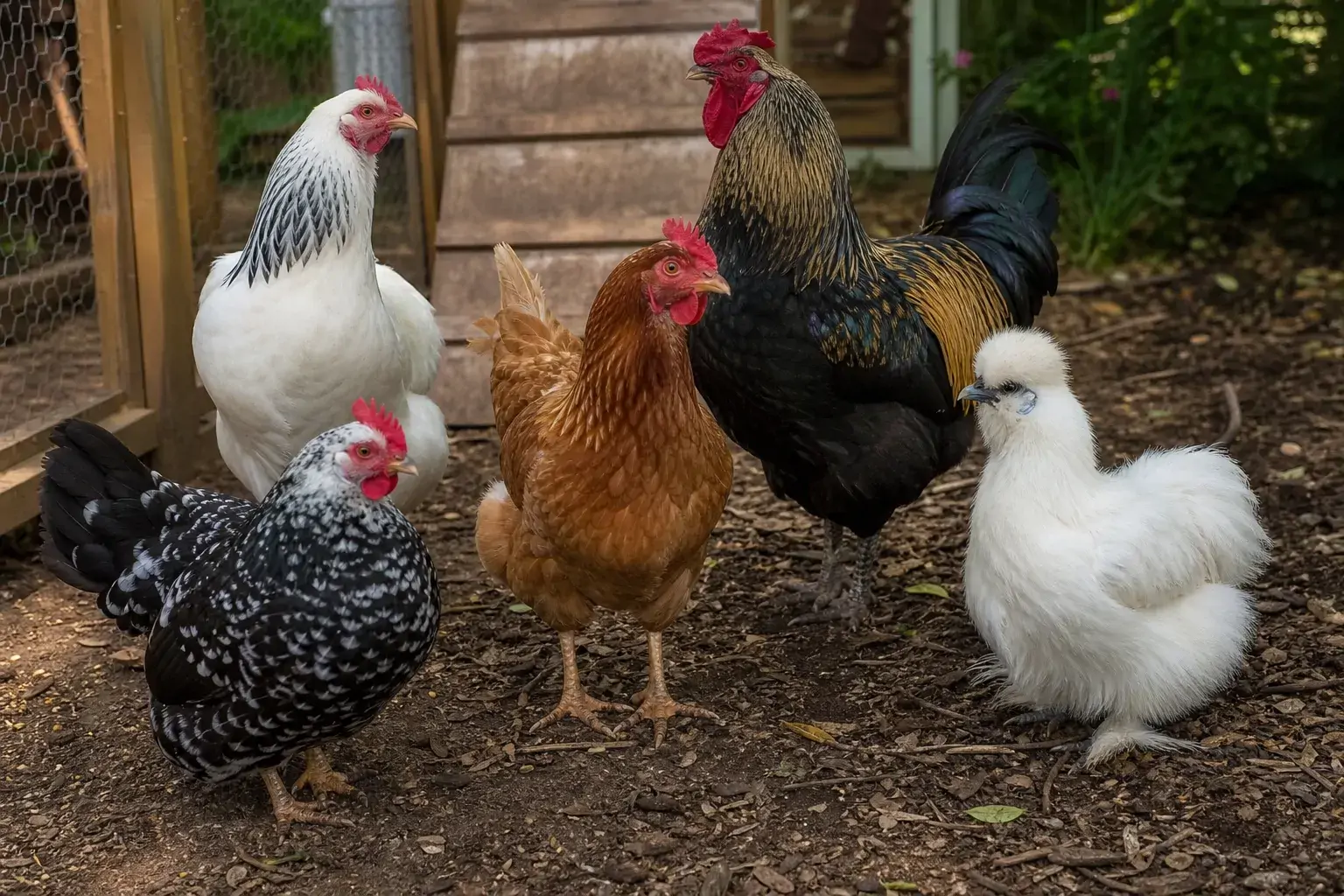
Genetics determine both the height of the peak and the steepness of the fall. Modern production hybrids have been selected for extraordinary first-year output, and that intensity generally comes with a faster taper. Choosing the right chicken breeds from the start can make a meaningful difference in how long a hen stays productive.
| Breed Type | Examples | Peak-Year Output | Decline Pattern |
|---|---|---|---|
| Commercial layer hybrids | Sex-links, ISA-type browns, White Leghorn strains | Very high (280–320) | Steep after year two; often minimal by year four or five |
| Dual-purpose heritage breeds | Rhode Island Red, Plymouth Rock, Sussex, Orpington, Wyandotte | Moderate to high (180–250) | Gradual; useful production often through years four to five |
| Landrace and Mediterranean breeds | Minorca, Ancona, Fayoumi | Moderate, strongly seasonal | Slow decline, long overall laying life |
| Ornamental and bantam breeds | Silkie, Polish, Cochin bantam | Low (80–160) | Very gradual; broodiness interrupts more than age does |
Two management practices also shift the curve. Hens brought into lay very early under intense artificial lighting may exhaust peak output sooner, and hens that experience repeated stress, disease, or poor nutrition in their first year often show earlier laying decline by age than genetics alone would predict.
Telling Age-Related Decline From Other Causes
Before attributing a drop in eggs to age, it is worth ruling out the many reversible causes. Age-related decline has a recognizable signature.
- It is gradual and progressive. Age decline unfolds over months and years. A flock that goes from twelve eggs a day to two in a single week is far more likely reacting to a stressor, a predator scare, a feed change, or hidden nests.
- It affects the oldest birds first. If younger pullets in the same coop are laying steadily while the three-year-olds have gone quiet, age is a plausible explanation. If every bird stops at once regardless of age, look elsewhere.
- It does not come with illness signs. Aging hens should still be alert, active, eating and drinking normally, and maintaining weight.
- It follows seasonal logic. An older hen who lays in spring and stops in fall is showing normal seasonal plus age behavior.
Common non-age explanations worth checking first include short winter days, an active molt, parasites, a nutritional imbalance from too many treats or scratch grains, a new flock member disrupting the pecking order, heat stress, and hens laying somewhere other than the nest box. Molt in particular is easy to confuse with age, since older hens molt harder and longer — molting and egg production explains that overlap in detail. Seasonal light is the other big confounder, and winter laying slowdown explained covers why even young hens can go quiet for months.
Supporting Hens Through the Decline
No management practice reverses aging, but several practices help a hen express whatever production she still has and — more importantly — keep her healthy and comfortable.
- Keep protein and calcium appropriate. A complete layer feed with free-choice oyster shell offered separately allows each hen to self-regulate calcium intake. Older hens absorb calcium less efficiently, so access matters more, not less. Treats and scratch should stay a minor part of the diet so they do not dilute the balanced ration.
- Do not push aging hens with lighting. Supplemental light can maintain winter output in young hens, but forcing production in an older hen with limited reserves offers little benefit and no rest period. Many keepers choose to give hens over three a natural winter break.
- Manage flock hierarchy. Older, slower birds are frequently pushed away from feeders. Multiple feeding and watering stations reduce competition and help older hens maintain body condition.
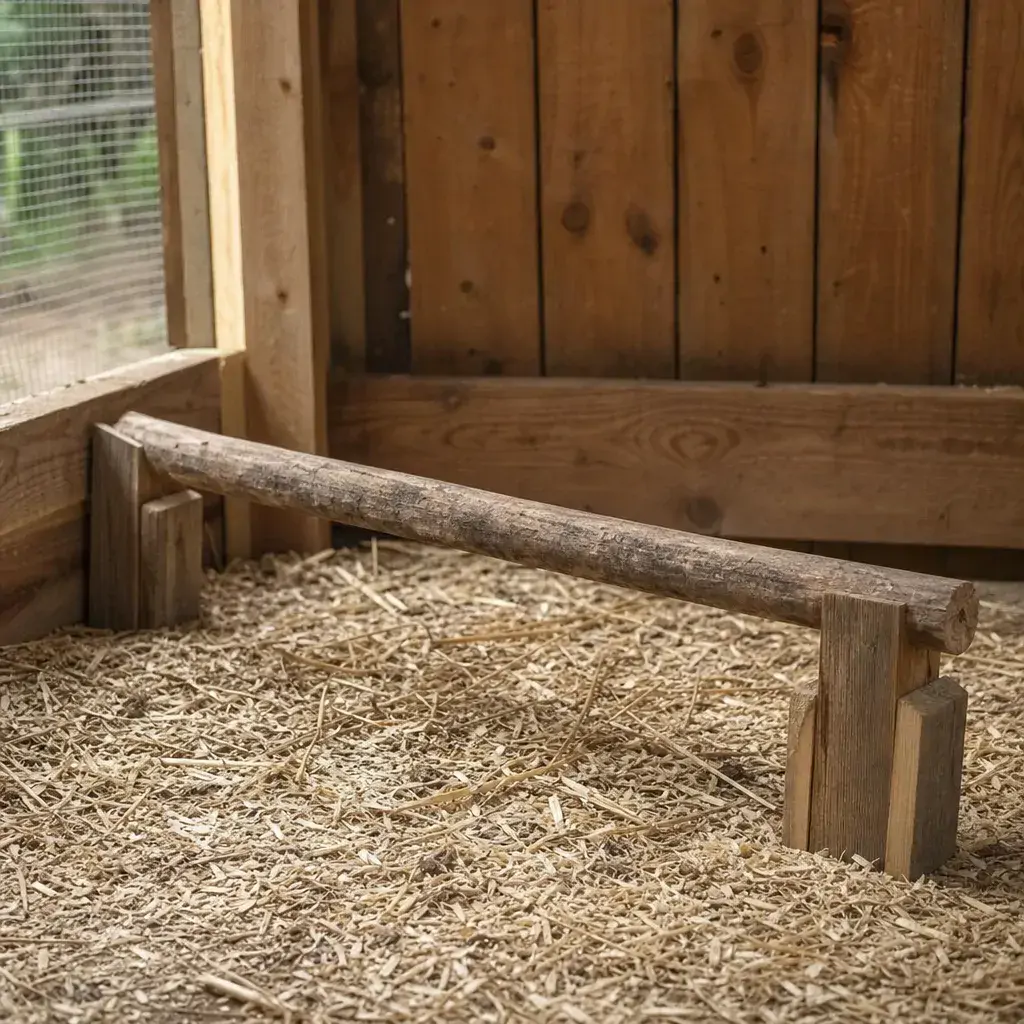
- Lower the roosts and widen the ramps. Aging joints and heavier bodies make high jumps risky. Roosts within 18 to 24 inches of the floor, and gently sloped ramps, reduce foot and leg injuries.
- Stay ahead of parasites. Older hens preen less effectively, making them favored hosts for mites and lice. Regular checks around the vent and under the wings, plus clean dust-bathing areas, help considerably.
- Weigh and handle birds periodically. Routine handling makes it far easier to notice weight loss, an unusually firm or swollen abdomen, or breathing changes early.
- Plan flock succession. Keepers who want steady year-round eggs often add a few pullets every one to two years so the flock always contains birds in their first or second laying year, while older hens live out their retirement.
When Reduced Laying Warrants a Veterinarian
Normal age-related decline is quiet and uneventful — the hen simply lays less while remaining bright, active, and well-fleshed. Certain findings, however, are not explained by age and are a sign that professional veterinary evaluation is appropriate rather than something to interpret at home. If you're wondering can chickens get egg bound, the answer is yes, and it's more common in older hens showing the straining or swollen-abdomen symptoms described below.
- A swollen, fluid-filled, or unusually firm abdomen in a hen that has stopped laying is a sign you should consult a veterinarian promptly.
- An upright, penguin-like stance, straining, or repeated unproductive nest-box visits is a sign you should consult a veterinarian or experienced poultry expert without delay.
- Sudden weight loss, a shrinking keel, or refusal to eat alongside a laying stop is a sign veterinary assessment is needed.
- Labored breathing, tail bobbing, or open-mouth breathing at rest is a sign you should seek veterinary care.
- Persistent foul-smelling discharge from the vent, or repeated soft-shelled and shell-less eggs in an otherwise healthy-seeming hen is a sign to consult an expert rather than to self-treat.
- Lameness, an inability to stand, or comb and wattle color changes in a hen whose laying has stopped is a sign you should consult a veterinarian.
- A rapid, flock-wide production collapse paired with lethargy, diarrhea, or unexplained deaths is a sign for immediate professional guidance, since flock-level disease and biosecurity considerations may be involved.
Age never causes a hen to appear acutely unwell. When decline arrives with distress, pain, or physical changes, aging is a coincidence rather than the cause, and diagnosis belongs with a qualified veterinarian.
Related Laying Factors Worth Understanding
Because older hens are more sensitive to everything else going on around them, a few adjacent topics often overlap with age. Reproductive tract wear makes shell defects more common, which is covered under why your hen lays soft-shelled eggs. Aging birds also tend to recover more slowly from disruption, so understanding how stress affects egg laying helps distinguish a temporary setback from a permanent change.
The Short Answer, Restated
Used as a practical age and egg output guide, the pattern is straightforward: peak in year one, a meaningful drop each year after, seasonal-only laying by years four and five, and occasional eggs beyond that. So when the question is when do hens stop laying eggs, the most accurate answer is that they fade rather than finish — and recognizing that curve lets keepers manage expectations, plan replacements, and give aging hens the comfortable retirement they have earned.