Egg Laying During Molt: Why Hens Stop
Chicken Molt and Egg Production
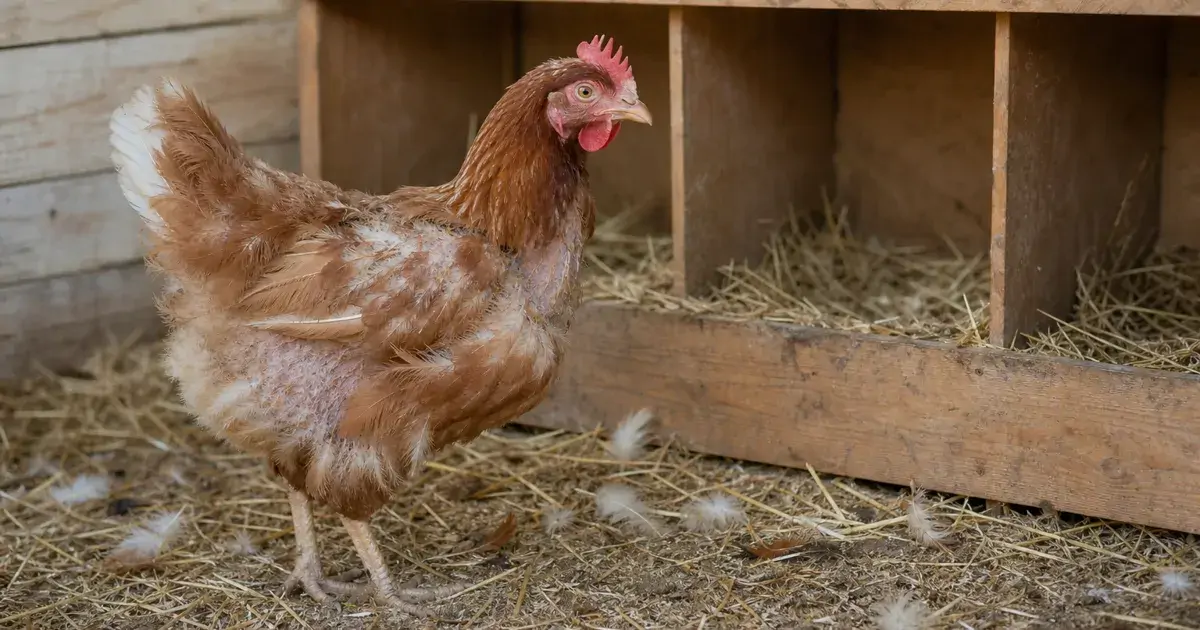
Every autumn, backyard flock owners open the nest boxes and find them empty while the coop floor looks like a pillow fight broke out overnight. Understanding why hens stop laying during molt matters because this particular production pause is normal, predictable, and temporary — and mistaking it for illness can lead keepers to medicate, cull, or overhaul management for no reason. This page takes the short summary from our egg-laying troubleshooting guide and expands it into a detailed look at the molt cycle, the biology behind the shutdown, realistic timelines, and evidence-based feeding and management adjustments.
Molt Cycle Explained: What Is Actually Happening Inside the Bird
Molting is the seasonal replacement of feathers. Feathers are non-living structures made largely of keratin, and once they are worn, broken, or soiled they cannot repair themselves. Poultry science literature describes molt as an annual renewal process in which old feathers are shed and new ones are grown from the follicle, restoring insulation and waterproofing before winter. In wild and domestic galliformes alike, this renewal is coordinated with a temporary shutdown of reproduction.
With the molt cycle explained in simple terms, the sequence is: shortening daylight triggers hormonal change, the ovary and reproductive tract regress and shrink, nutrients are redirected toward feather growth, feathers are shed in a roughly predictable pattern, new feathers grow in, and then — usually as daylight lengthens again — the reproductive tract rebuilds and laying resumes. Extension resources generally note that most hens experience their first significant adult molt at around 15 to 18 months of age, then repeat it annually.
The Feather Shedding Pattern
Feather loss is not random. Researchers describe a typical order that begins at the head and neck, moves to the breast and body, then the wings, and finally the tail. Wing primaries are often used by poultry specialists to estimate how far along a bird is, because they drop in sequence from the innermost feather outward. A hen who has only lost head and neck feathers is early in the process; a hen regrowing tail feathers is usually near the end.
Hard Molt Versus Soft Molt
Not all molts look alike, and the visual difference has practical consequences for how long the laying pause lasts.
| Feature | Hard Molt | Soft Molt |
|---|---|---|
| Appearance | Dramatic feather loss, bare patches, pin feathers visible over much of the body | Gradual, scattered loss; bird may look slightly ragged or dull |
| Duration | Often shorter overall — roughly 8 to 12 weeks | Often longer and drawn out — can stretch 3 to 6 months |
| Effect on laying | Complete stop, usually abrupt | Sharp decline or intermittent laying rather than a clean stop |
| Commonly seen in | High-production birds and hens exposed to a sharp seasonal cue | Older hens, dual-purpose and heritage breeds, birds under mild supplemental lighting |
| Keeper impression | "Something is wrong with my chicken" | "My hens are just slowing down" |
Extension poultry specialists generally consider a fast, hard molt preferable in a laying flock, because the bird gets through the process and returns to production sooner. A slow, dribbling molt keeps the hen in a low-production state for much longer.
Signs and Symptoms That a Hen Is Molting
Because egg laying stops during molt and feather production are so tightly linked, recognizing the physical signs early prevents unnecessary worry about disease. The following indicators are commonly described in poultry husbandry references.
Feathers Accumulating in the Coop and Run
The first clue is usually volume: handfuls of feathers in the bedding, on roost bars, and caught in fencing. Normal daily feather loss is minimal, so a sudden accumulation across several days is a strong indicator of molt rather than injury. Feathers from molt typically have a clean, intact quill tip with a small waxy plug, whereas feathers pulled out by pecking or predators are often broken or bloody.
Pin Feathers and Bare Patches
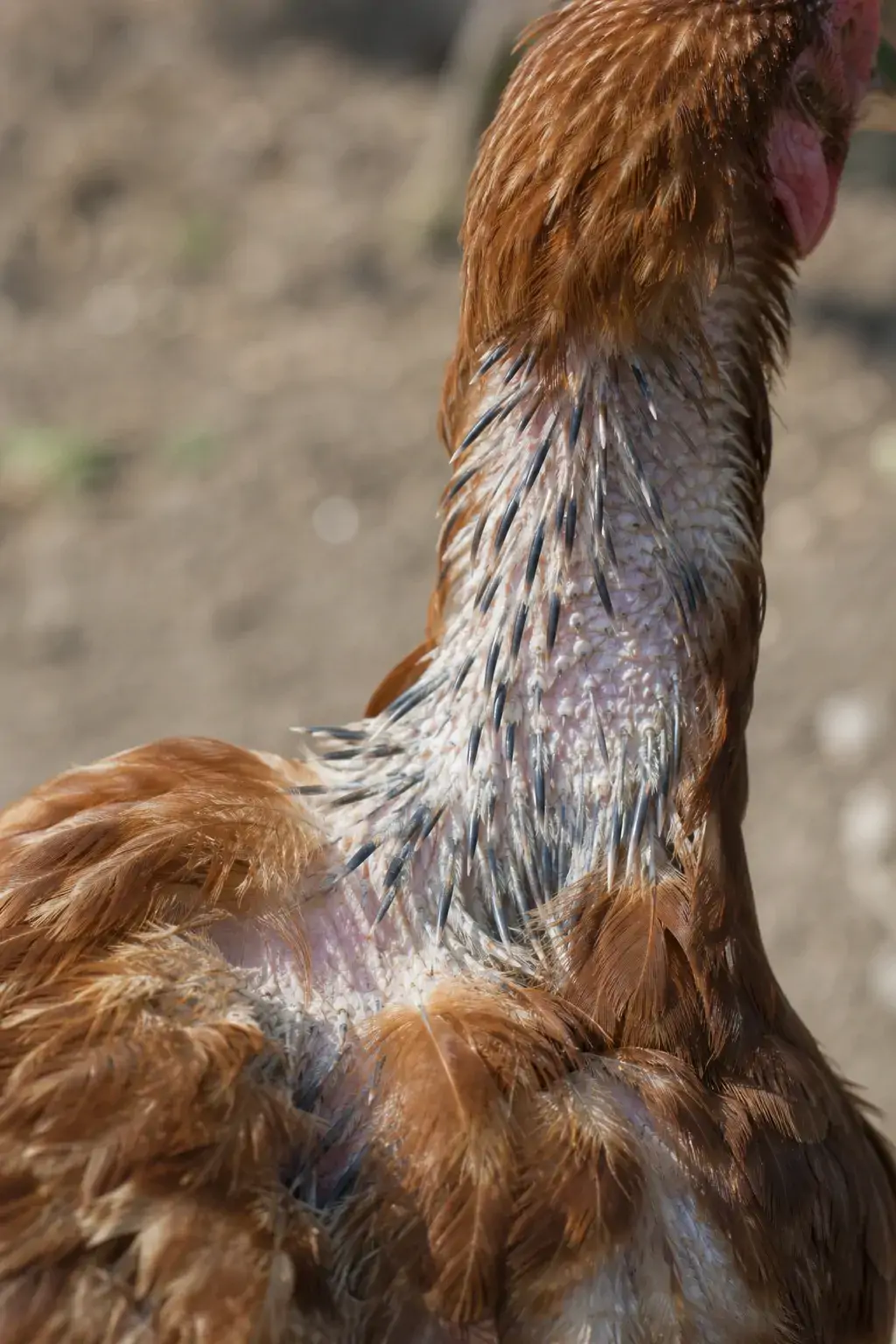
New feathers emerge as narrow, waxy shafts called pin feathers, often visible first on the head and neck. Pin feathers contain a blood supply while growing, which is why molting hens may resent handling and may avoid crowding on the roost. Feather loss egg laying patterns show bare skin showing through on the neck, back, or breast is expected during a hard molt.
An Abrupt Halt in Egg Production
Laying often stops within days of visible feather loss, and in some hens production drops slightly before feathers begin dropping. Nest boxes go completely unused, and any eggs laid at the very start of molt may show thinner shells or slight shape irregularities as the reproductive tract winds down.
A Pale, Shrunken Comb and Wattles
In an actively laying hen, the comb and wattles are typically large, plump, and deeply colored due to hormone-driven blood flow. As the ovary regresses, these structures shrink and fade to a duller pink. Poultry graders have long used comb condition as a quick visual indicator of whether a hen is in lay.
Reduced Appetite for Treats but Steady Feed Intake
Molting hens often become noticeably more interested in high-protein feed and less interested in scratch grains. Some birds eat slightly less overall during the peak shedding phase, then increase intake sharply while regrowing feathers, which is metabolically demanding.
Quieter, Less Active Behavior
Many molting hens become subdued, spend more time perching or resting, and drop in flock rank temporarily. Reduced dust-bathing, more sunbathing, and reluctance to be picked up are all commonly reported. Lethargy that is accompanied by other symptoms — not eating, labored breathing, or isolation from the flock — is a sign you should consult a veterinarian rather than assume molt.
Why Hens Stop Laying During Molt: The Underlying Causes
Several mechanisms operate at once. Understanding all of them explains why supplements and management tricks cannot simply override the pause.
1. Protein and Amino Acid Competition
Feathers are roughly 80 to 85 percent protein, and they are unusually rich in the sulfur-containing amino acids methionine and cystine. Egg albumen also requires substantial protein. Nutrition research indicates that a hen cannot simultaneously support full feather regrowth and full egg output on typical intake levels, so the body prioritizes feather replacement, which is essential for thermoregulation and survival. This nutrient competition is the single most cited reason behind the relationship between molting and egg production.
2. Declining Daylight and Hormonal Withdrawal
Chickens are long-day breeders. Photoreceptors in the brain track day length, and shortening days reduce release of the hormones that stimulate ovarian follicle development. As reproductive hormones fall, the ovary and oviduct regress dramatically — the oviduct of a non-laying hen is a fraction of its working size. Because the plumbing itself has shrunk, laying cannot resume until it is rebuilt. This is also why molt so often overlaps with molting season chickens and the seasonal slowdown covered in our discussion of the winter laying slowdown explained.
3. The Energy Cost of Growing Feathers
Feather regrowth raises maintenance energy requirements, and birds with bare patches also lose more body heat, which further increases energy demand in cool weather. Every calorie spent on keratin synthesis and on staying warm is a calorie unavailable for yolk and albumen formation. A hen in a cold, drafty coop during molt has an even steeper energy deficit.
4. Reproductive Rest and Tissue Renewal
Poultry scientists describe the molt pause as a genuine recovery period. During continuous laying, the reproductive tract, liver, and skeleton are under sustained demand. The rest interval allows regeneration of oviduct tissue and replenishment of bone mineral reserves. This is why hens frequently return from molt laying noticeably larger eggs with better shell quality, even though total annual output declines with each year.
5. Age and Cumulative Laying History
First-year pullets typically lay straight through their first fall and winter without a true molt, which is why new keepers are often surprised in year two. From the second autumn onward, molt becomes an annual event, and each post-molt cycle usually produces slightly fewer eggs than the last. That overlapping pattern is explored further in our coverage of laying decline by age.
6. Stress-Induced Molt Outside the Normal Season
Molt is not exclusively photoperiod-driven. Severe stressors — abrupt feed or water deprivation, extreme heat, predator pressure, illness recovery, or a major change in housing — can trigger an out-of-season molt. Commercial operations historically used controlled programs to induce molt deliberately, which demonstrates how responsive the process is to management inputs. If a flock molts in spring or midsummer, keepers should investigate husbandry factors, including those described under common stressors that stop laying.
How Long Molt Affects Laying: A Realistic Timeline
The most common question after "what is happening" is how long does molt last chickens. The honest answer is that it varies by bird, breed, age, season, and nutrition, but the ranges below reflect what poultry extension resources typically report.
| Phase | Typical Duration | What You See | Laying Status |
|---|---|---|---|
| Pre-molt wind-down | 3–10 days | Comb pales, output drops, occasional odd shell | Falling |
| Active shedding | 2–4 weeks | Heavy feather loss, bare patches, subdued behavior | Usually zero |
| Regrowth | 4–8 weeks | Pin feathers, high feed intake, tender skin | Still zero |
| Recovery / tract rebuild | 2–4 weeks | Full glossy plumage, comb reddens and plumps | Resuming, often gradually |
| Total (hard molt) | 8–12 weeks | — | — |
| Total (soft or late molt) | 12–24 weeks | — | — |
Timing within the calendar matters as much as duration. A hen who molts in early September may finish feather regrowth in November but still not lay, because day length is now too short to restart the reproductive system. That bird may hold off until late winter. A hen who molts in July can often be back in production by early fall. This interaction between molt and photoperiod is the reason two hens with identical molt lengths can differ by two months in return-to-lay date.
Practical rule of thumb used by many keepers: watch the comb, not the feathers. Fully regrown plumage with a pale comb means the reproductive system has not restarted. A reddening, warm, plump comb usually precedes the first egg by a week or two.
Feeding Hens During Molt: What the Nutrition Science Supports
Because nutrient competition drives the pause, feeding hens during molt is where keepers have the most genuine influence. The goal is not to force laying — that is neither possible nor desirable — but to shorten the molt and support high-quality feather regrowth.
Raise Dietary Protein Moderately
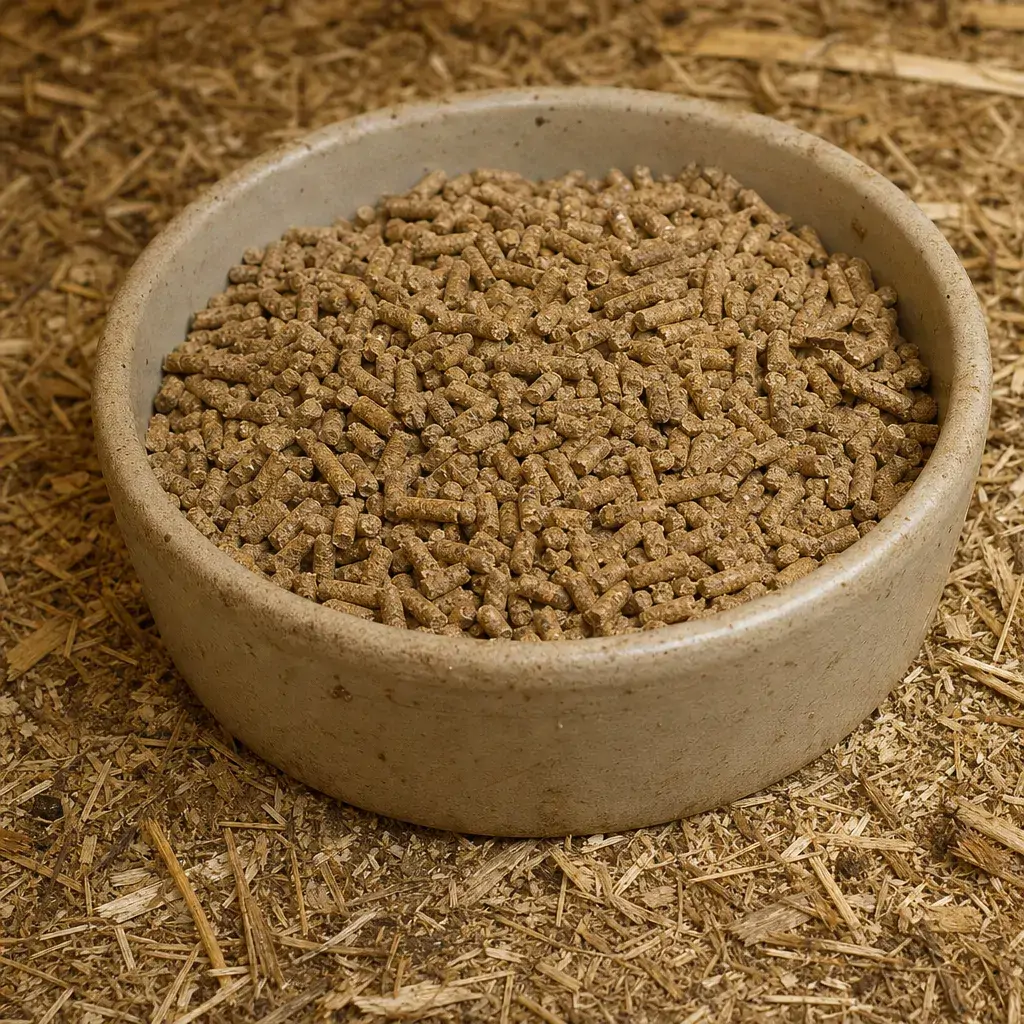
Standard layer rations typically contain about 16 to 18 percent crude protein, which is formulated for egg production rather than feather synthesis. Many poultry extension sources suggest shifting molting birds to a feed in the 18 to 20 percent range, such as a quality grower, all-flock, or feather-fixer style ration, for the duration of the molt. Amino acid balance matters more than the headline percentage, so a complete commercial feed is preferable to homemade blends.
Prioritize Methionine and Cystine
These sulfur amino acids are the limiting factors in keratin production. Complete feeds are formulated with them in mind; scratch grains and kitchen scraps are not. Animal-protein supplements such as mealworms, black soldier fly larvae, or scrambled eggs supply them well, but should be treated as small supplements rather than a substantial share of intake.
Limit Diluting Treats
Scratch grains, corn, bread, and most produce are low in protein and dilute the carefully balanced ration. During molt, poultry specialists generally recommend keeping treats under roughly 10 percent of total daily intake so the bird actually receives the protein and micronutrients the feed provides.
Do Not Overload Calcium
Calcium requirements fall when a hen is not producing shells. Layer feed already contains high calcium, and a non-laying bird has less use for it. Keepers who switch to a lower-calcium grower ration during molt should still offer free-choice oyster shell in a separate dish so that individual hens who resume laying can self-select. Persistent shell problems after production restarts are covered in our page on calcium deficiency in laying hens.
Guarantee Clean Water and Trace Minerals
Water restriction is one of the classic triggers used to induce molt, which underscores how sensitive the process is to hydration. Fresh, unfrozen water must be available at all times. Zinc, copper, and B vitamins also participate in feather formation, and these are supplied by complete rations rather than grains.
Feeding Comparison at a Glance
| Nutrient / Item | Laying Hen in Production | Hen in Molt |
|---|---|---|
| Crude protein | 16–18% | 18–20% |
| Calcium | High (layer ration) | Moderate, plus free-choice oyster shell |
| Methionine / cystine emphasis | Moderate | High priority |
| Treats and scratch | Limited | Strictly limited |
| Energy needs | Baseline | Elevated, especially in cold weather |
Management Practices That Support a Molting Flock
- Reduce handling. Pin feathers have an active blood supply and are painful when bumped. Limit picking birds up, and postpone non-urgent tasks such as leg banding or wing trimming.
- Lower crowding pressure. Molting hens often slip in the pecking order and become targets. Adequate feeder and waterer space, multiple feeding stations, and visual barriers reduce bullying and feather picking.
- Watch for feather pecking. Bare skin invites pecking, and blood from a damaged pin feather can escalate quickly. Boredom relief — forage, cabbage heads, deep litter to scratch in — helps keep attention off flock mates.
- Keep the coop dry and draft-free. Partially feathered birds are poorly insulated. Ventilation should be high and indirect so moisture escapes without creating cold drafts at roost level.
- Resist the urge to force lighting mid-molt. Supplemental light can influence the seasonal cycle, but adding it abruptly to birds already in molt does not restore production and may extend a soft molt. Keepers considering lighting programs should plan them thoughtfully, as outlined in guidance on artificial light for winter eggs.
- Delay new-bird introductions. Molt is a low point in immune and social resilience. Adding pullets during molt compounds stress and can lengthen the pause.
- Keep records. Noting the date molt begins for each bird makes the following year predictable and helps distinguish a normal annual molt from an abnormal, stress-induced one.
Look-Alike Causes: When Empty Nest Boxes Are Not Molt
Feather loss and stopped laying frequently occur together, but not always for the same reason. Before concluding that molt is responsible, keepers should rule out these possibilities:
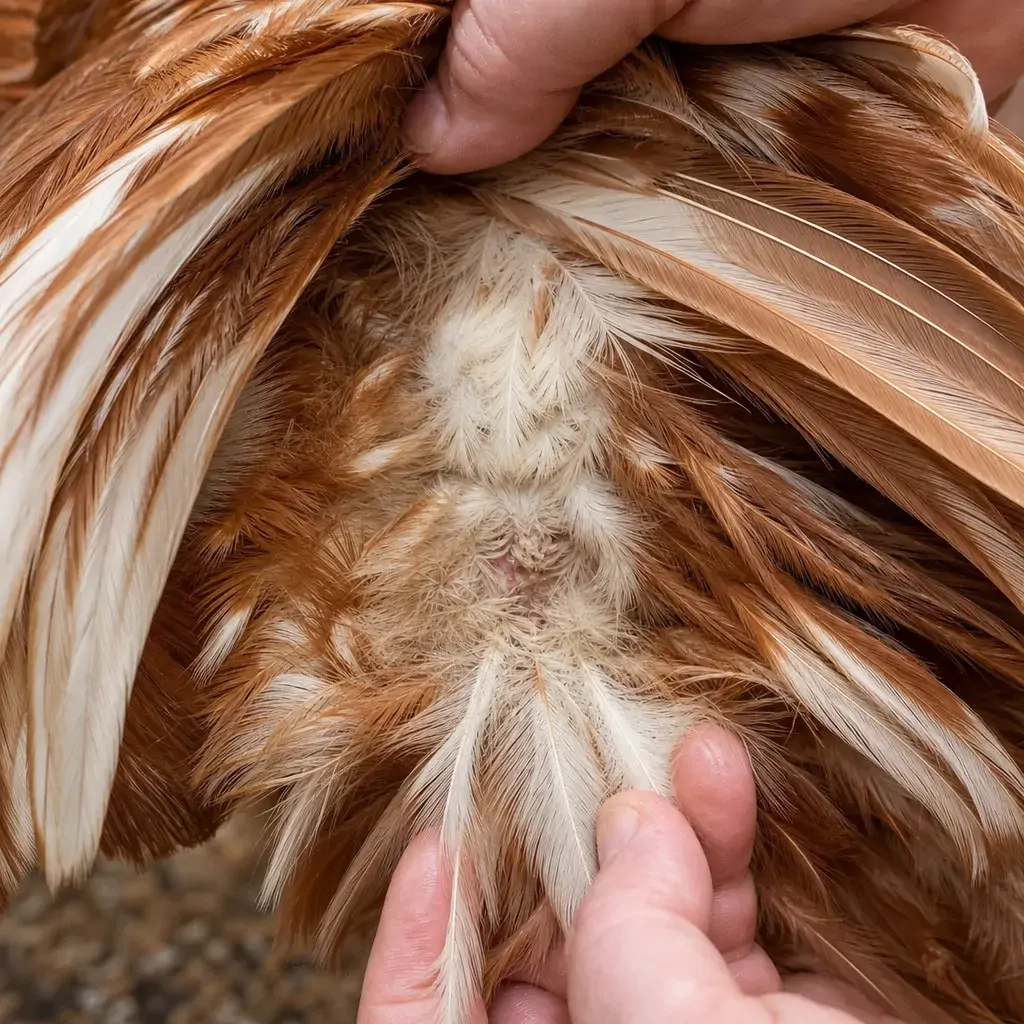
- External parasites. Mites and lice cause feather damage, irritation, and production drops. Missing feathers around the vent and under wings, with visible insects or clusters of eggs at feather bases, is a sign to have the flock evaluated and treated on veterinary or extension guidance.
- Feather pecking or overmating. Bare backs or bald patches behind the head in a hen with an active rooster usually reflect mating wear, not molt. Molt produces even, widespread loss with pin feathers emerging.
- Broodiness. A broody hen stops laying and may pluck her own breast feathers, but she also sits persistently in the nest and growls or flattens when approached.
- Hidden nests or egg eating. Free-ranging hens may simply be laying elsewhere. Full plumage plus a bright red comb suggests the hen is still in lay.
- Illness or internal disease. Reproductive disorders and infections also stop production. Weight loss, abnormal droppings, swelling of the abdomen, or a hen who separates from the flock are signs you should consult a veterinarian rather than wait out a presumed molt.
When to Be Concerned or Consult an Expert
Normal molt involves a bird who looks rough but behaves reasonably normally, eats and drinks, moves around the run, and roosts with the flock. The following situations fall outside that pattern and warrant professional input from an avian or poultry veterinarian, or a state extension poultry specialist.
- Feather loss with no regrowth after several weeks. Bare skin that stays bare, with no pin feathers emerging, is a sign to seek an expert evaluation rather than assume the molt is simply slow.
- Molt lasting well beyond six months. A hen who remains ragged and non-productive for an unusually long period should be assessed for parasites, nutritional deficiency, or underlying disease.
- Weight loss or a prominent keel bone. Molting hens should maintain body condition. Noticeable thinning during molt is a sign you should consult a veterinarian.
- Refusal to eat or drink. Appetite may shift during molt, but a bird who stops eating or drinking needs prompt professional attention.
- Lethargy with additional symptoms. Standing hunched, closed eyes, labored or open-mouthed breathing, discharge from eyes or nostrils, or isolation from the flock are signs that veterinary consultation is appropriate.
- Bleeding pin feathers or open wounds. Damaged blood feathers and pecking wounds can bleed significantly and become infected; wound care questions should go to a veterinarian.
- Whole flock molting out of season. A simultaneous, unseasonal molt points to a management or environmental problem — feed or water interruption, heat stress, predator pressure, or disease — and merits investigation with expert help.
- Abnormal eggs once laying restarts. Occasional irregular eggs at the resumption of lay are commonly reported, but persistent shell-less, misshapen, or blood-containing eggs are a sign to consult a veterinarian.
It is worth emphasizing that no supplement, tonic, or feed additive has been shown to override the reproductive shutdown of molt. Products marketed as restoring production during molt cannot change the underlying hormonal and nutritional reality. The productive approach is to support the bird through the process so the molt is as short and complete as possible.
Related Topics Worth Exploring
Molt rarely happens in isolation. It typically coincides with shortening days, cooler temperatures, and other seasonal management changes, so keepers often find it useful to read about seasonal light management and age-related output patterns alongside this page. Where the plumage looks fine but production has still collapsed, the cause is more likely stress, nutrition, or a reproductive issue than feather renewal.
Conclusion
The reason why hens stop laying during molt comes down to biology, not bad luck: hormones withdraw, the reproductive tract regresses, and protein and energy are redirected into growing an entirely new coat of feathers. With the molt cycle explained, a realistic sense of how long molt affects laying, and a sensible plan for feeding hens during molt, keepers can wait out the pause confidently and expect stronger, better-quality eggs when their flock returns to production.