Chicken Hatchery Near Me: How to Find a Reputable Source
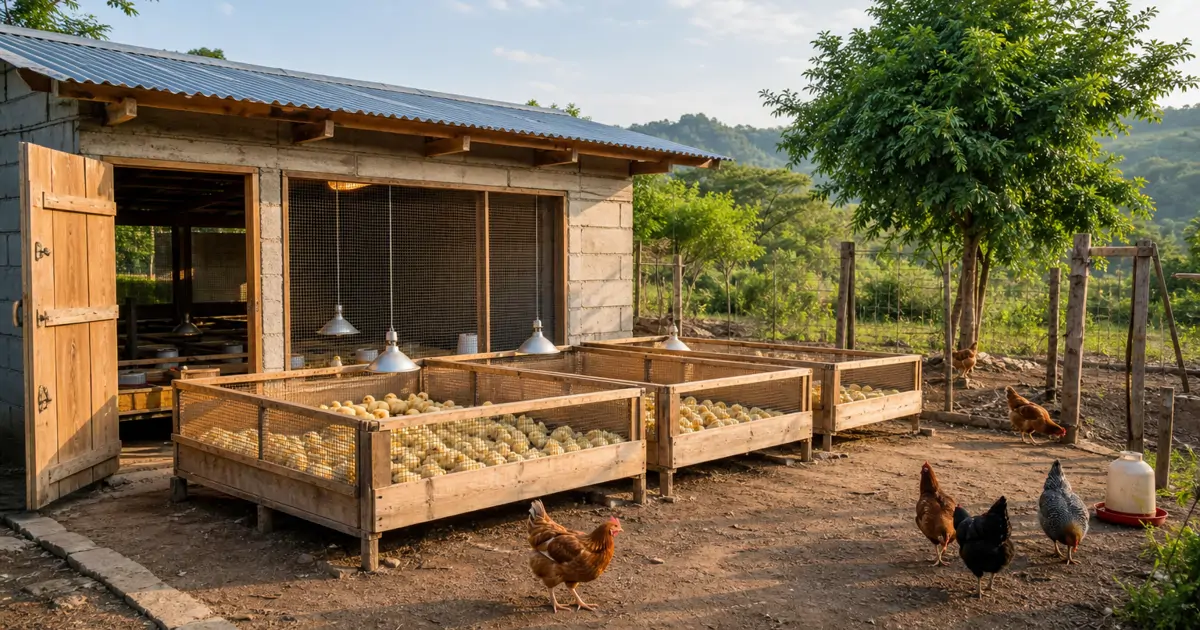
Chicken Hatchery Near Me: How to Find a Reputable Source
Typing "chicken hatchery near me" into a search bar usually means one of two things: someone wants to start a flock, or an existing flock owner wants to add new birds without the stress of shipping day-old chicks across the country. Either way, the decision about where those chicks come from matters more than most beginners realize. A hatchery or breeder's practices around genetics, biosecurity, and animal handling directly affect the health and temperament of the birds you end up raising for years.
This guide goes beyond a simple directory listing. It explains how to judge whether a nearby hatchery or breeder is actually a good source, what questions separate a serious operation from a backyard hobbyist selling extras, and what to expect once you show up to pick up chicks in person. Whether you're comparing a local chicken hatchery to a mail-order option, or trying to track down a chicken breeder near me search result that actually has availability, the goal is the same: bring home healthy, well-started birds.
Readers who already understand the basics of flock building will find practical detail here on vetting sources, spotting red flags, and understanding why proximity to a hatchery changes the entire chick-buying experience.
Why Buying From a Local Chicken Hatchery Matters
Distance changes more about the chick-buying process than most first-time buyers expect. Day-old chicks can survive shipping because they absorb the last of their egg yolk right before hatching, giving them roughly 48 to 72 hours without food or water. That window works fine for a hatchery a state away, but it is still a stressful ordeal for a newly hatched bird. A local chicken hatchery within driving distance eliminates that stress entirely, since chicks go straight from the brooder to a car seat rather than a postal sorting facility.
There's also a practical health advantage. Chicks purchased locally can be handed over to their new owner within hours of hatching, meaning less time in a shipping box and less exposure to temperature swings that can weaken already fragile immune systems. Many hobby farmers who have compared both methods report noticeably stronger, more alert chicks when picked up in person versus shipped through the mail, though results vary by hatchery and season. For many buyers, the decision to buy chicks near me instead of ordering through the mail comes down to exactly this kind of firsthand reassurance.
Local Hatcheries vs. Mail-Order Hatcheries
Mail-order hatcheries dominate the industry because they offer access to rare breeds that no local source may carry. A regional hatchery locator search, however, often turns up smaller operations that specialize in a handful of breeds well-suited to your specific climate. That regional knowledge is easy to overlook but genuinely useful — a breeder two counties over already knows how a given breed performs in your humidity, your winters, and your predator pressure.
The tradeoff is selection. National hatcheries can offer dozens of breeds and same-week shipping windows; a local source might only hatch a few breeds a handful of times per year. Buyers who want a rare or specialty breed may need to accept shipping as the price of variety, while buyers focused on hardy, proven dual-purpose birds are usually well served by staying local.
One overlooked consideration: many small local operations aren't hatcheries at all in the technical sense — they're breeders who buy hatching eggs or started chicks and raise them out. That's not a problem, but it does mean the health guarantees, vaccination practices, and genetic selection standards that apply to licensed hatcheries may not apply. Knowing which type of source you're dealing with changes what questions you should ask.
How to Evaluate a Local Hatchery or Breeder
Not every result from a hatchery locator search is equally trustworthy. Some are established operations that have hatched thousands of birds; others are individuals selling a surplus clutch from a broody hen. Both can be legitimate sources, but they require different levels of scrutiny.
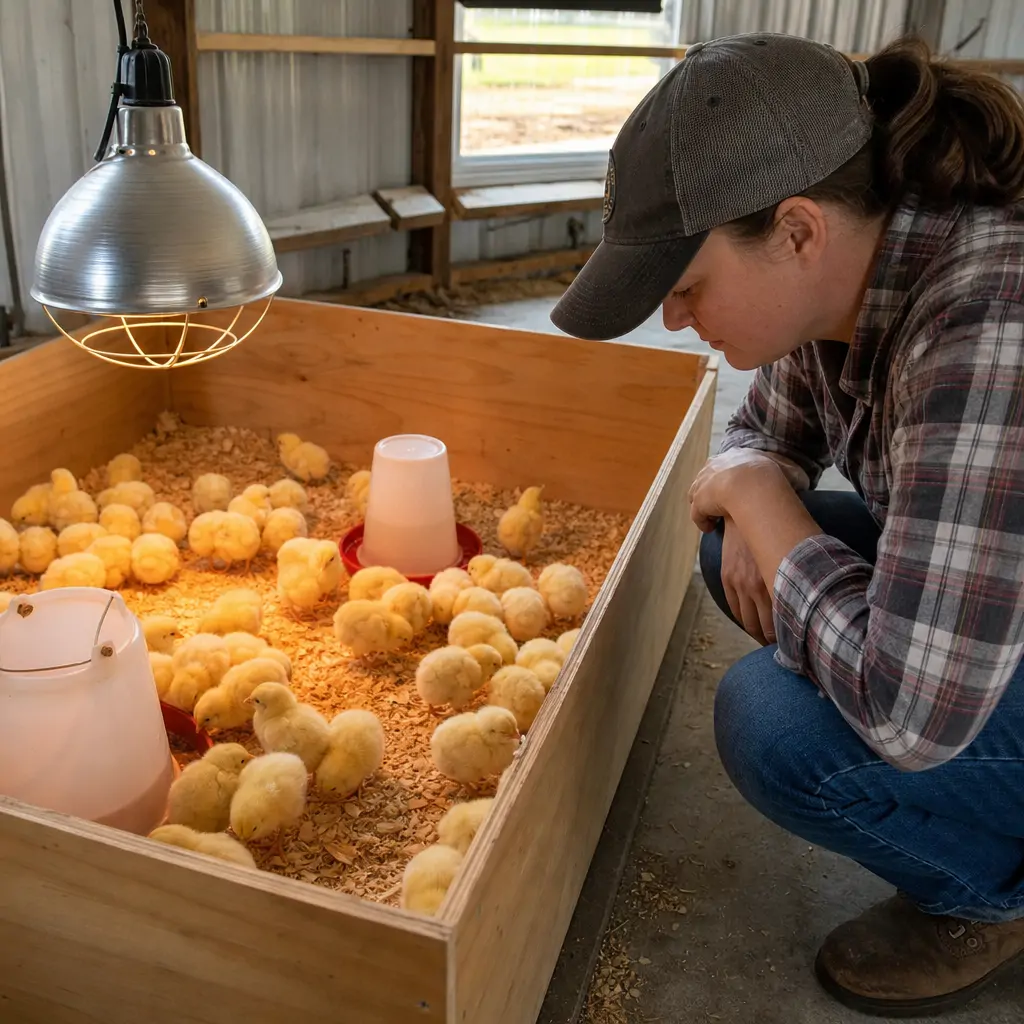
Start by looking at how the facility is described or, ideally, how it looks in person. Clean brooders, proper heat sources, and separation between different age groups of birds are all good signs. Overcrowded bins, ammonia smells, or chicks huddled together shivering are signs of poor management — and a chick that starts life stressed is more likely to develop health problems later, including issues that may indicate a problem and should be evaluated by a qualified professional if they persist after you bring the bird home.
National Poultry Improvement Plan (NPIP) certification is one of the clearer trust signals available. It indicates a hatchery has been tested for certain communicable diseases, including pullorum and typhoid, and follows baseline biosecurity standards. A small backyard breeder may not be NPIP certified, which isn't automatically disqualifying, but it does mean the buyer is taking more on faith.
Questions to Ask Before You Buy
A short conversation before handing over money can save considerable frustration later. Useful questions include how the flock is vetted for disease, whether birds are vaccinated for Marek's disease, what breeds have historically done well in the local climate, and how sexing is determined — since accuracy varies significantly between hatcheries and breeders. It's also worth asking about return or exchange policies in case a chick turns out to be a rooster when pullets were requested, which happens even with professional sexing methods.
Sellers who answer these questions clearly and without hesitation are usually operating with more transparency than those who deflect or grow vague. A confident, specific answer about vaccination protocols or breed performance is a far better sign than a generic assurance that "the chicks are healthy."
Common Mistakes When Using a Hatchery Locator
One frequent misstep is assuming proximity equals quality. A source being the closest option on a map says nothing about its breeding practices or chick health. Another common mistake is buying based on price alone; unusually cheap chicks sometimes come from operations cutting corners on nutrition, heat, or genetic selection, which can surface later as slow growth or weak laying performance.
Buyers also frequently underestimate minimum order requirements. Many local hatcheries and breeders, like their mail-order counterparts, require a minimum number of chicks per order — often for the birds' own warmth and social stability during transport or early brooding. Showing up expecting to buy a single chick can lead to disappointment or, worse, a breeder selling a lone bird that then struggles without flock companionship.
What to Expect When You Buy Chicks Near You
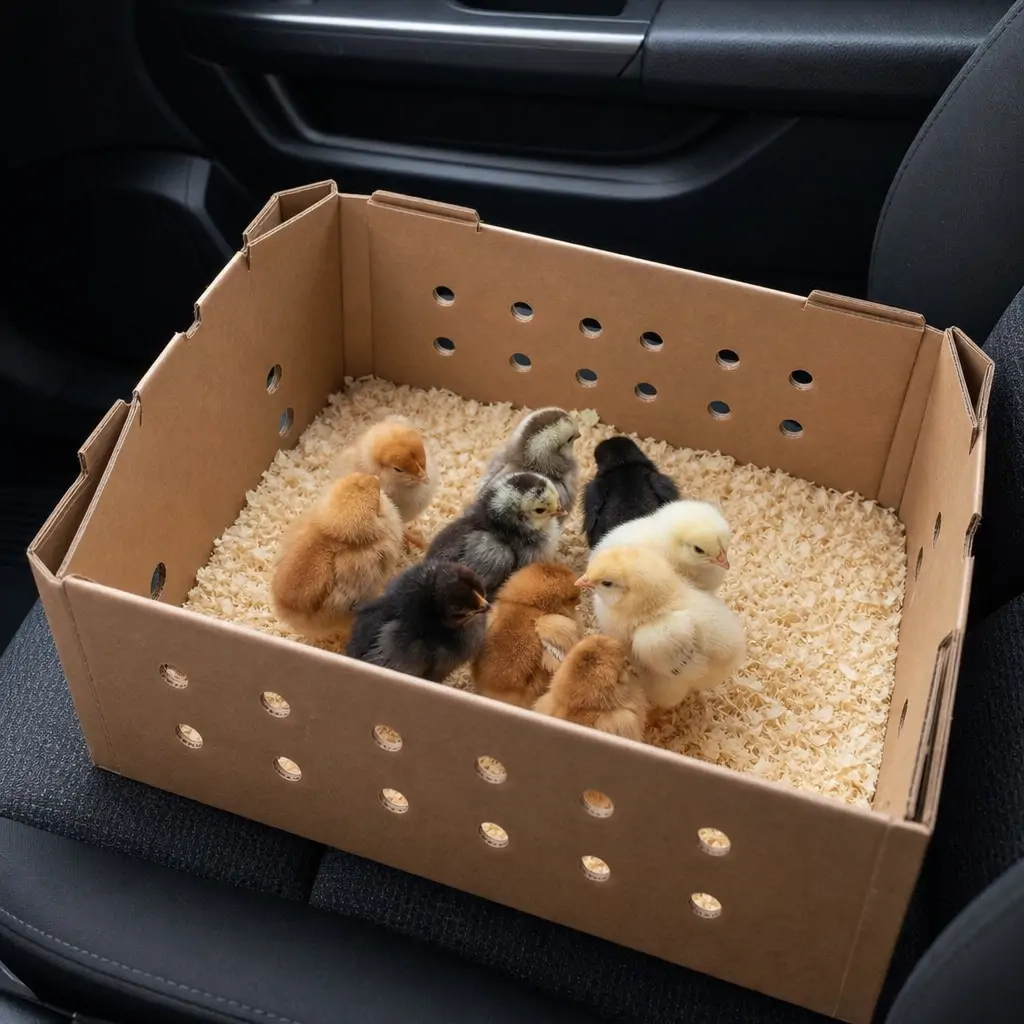
Picking up chicks in person is a different experience than opening a peeping box from the postal service. Most local sellers will ask buyers to bring a secure, ventilated carrier — a cardboard box with air holes or a small pet carrier works well. Arriving with a plan for the ride home matters more than people expect; chicks chill quickly, so a warm car and a short travel time make a real difference in the first hours of ownership.
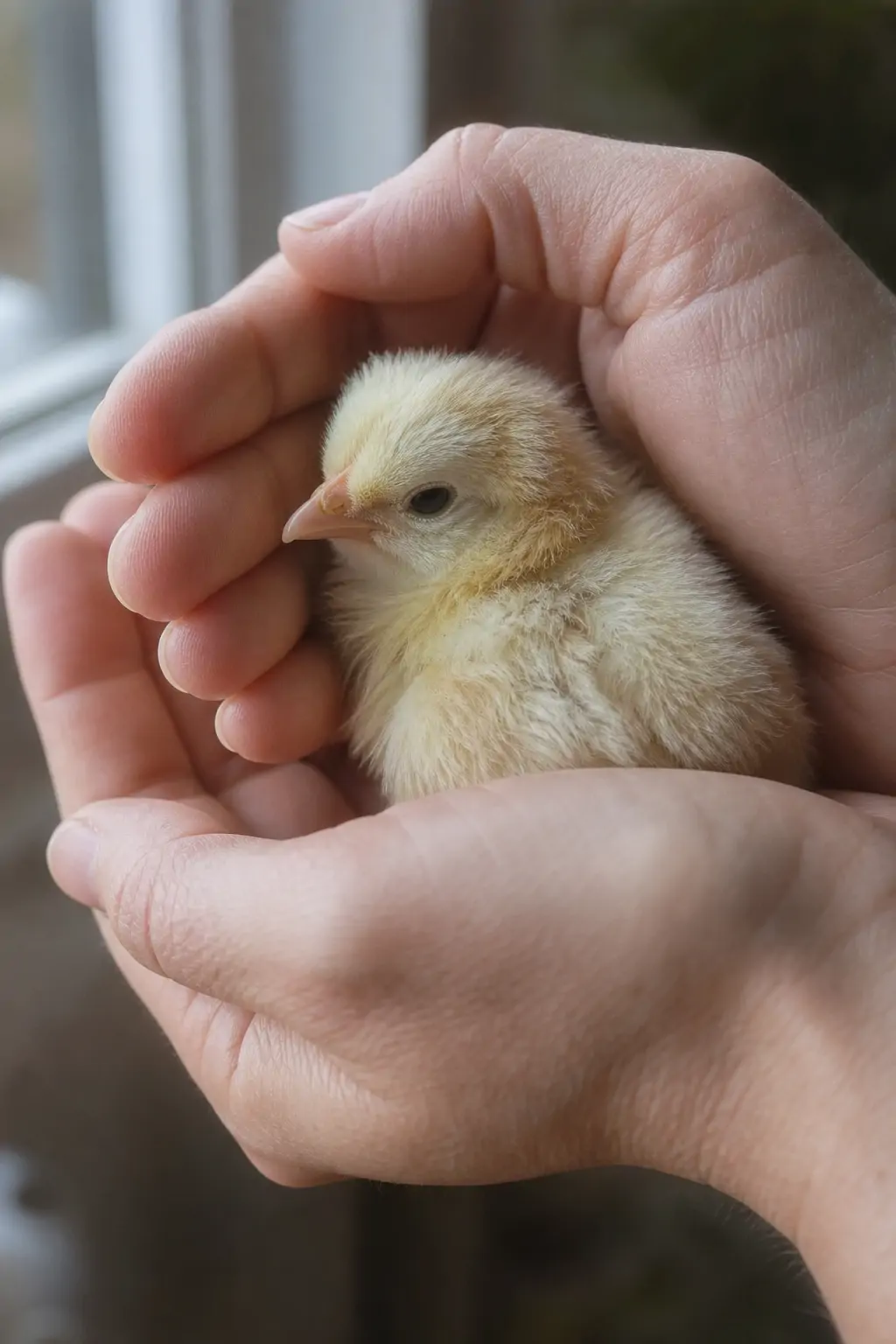
On pickup day, take the opportunity to observe the birds directly rather than relying solely on a photo sent earlier. Look for bright, open eyes, dry and fluffy down, active movement, and steady breathing. A chick that seems lethargic, has pasty vent issues, or breathes with an open beak may indicate a problem and should be evaluated by a qualified professional before it's introduced to other birds.
It's also worth asking whether the birds have started on medicated or non-medicated starter feed, since switching feed types abruptly can cause digestive upset. Many sellers will send a small bag of the feed they've been using to ease that transition, which is a thoughtful detail worth asking about if it isn't offered.
Practical Considerations for the Weeks After Purchase
Once chicks are home, the sourcing decision is largely behind you, but its effects linger. Birds from a well-managed local chicken hatchery tend to integrate into a brooder setup with fewer complications, since they've already been handled and haven't endured shipping stress. That said, every new chick — regardless of source — should spend time in a dedicated brooder with a reliable heat source before ever meeting an existing flock. This is also the point where broader flock-raising skills come into play. Reviewing a chick care for beginners resource before bringing birds home, along with information on setting up a heat lamp for chicks properly, prevents many of the early mistakes that even experienced keepers occasionally make when adding new stock.
New arrivals should also be kept separate from an established flock for at least a couple of weeks, both to allow observation for illness and to let the newcomers grow large enough to hold their own during the inevitable pecking-order adjustments. Buyers who eventually want to raise chicks through natural incubation rather than repeated hatchery purchases often turn next to a broody hen hatching guide, since certain broody chicken breeds make repeat trips to a hatchery locator unnecessary in future seasons.
A responsible source, local or otherwise, will typically be willing to answer follow-up questions even after the sale — a sign that the relationship was never just a transaction.
Finding a trustworthy chicken hatchery near me or chicken breeder near me search result takes a bit more effort than opening the first map listing, but the payoff is real: healthier chicks, less shipping stress, and often a source you can return to season after season. Local hatcheries won't always match the breed variety of a large mail-order operation, but for many backyard keepers, the tradeoff favors proximity, transparency, and the chance to see exactly where their birds came from before ever bringing them home.