Why Are My Eggs Soft Shelled: Complete Troubleshooting Guide
Why Are My Eggs Soft Shelled: Complete Troubleshooting Guide
Few things startle a backyard flock keeper more than reaching into a nest box and finding a warm, rubbery egg that collapses in the hand. Soft shelled eggs causes are one of the most common shell-quality complaints reported by small-flock owners, and they can signal anything from a perfectly normal hiccup in a young pullet's reproductive system to a nutritional gap or an infectious disease moving through the coop. Because shell defects often appear alongside dips in production, it helps to read this page together with the broader overview in our main guide to egg-laying problems.
Identifying Shell Defects: What Soft Eggshell Problems Look Like
Poultry extension resources generally group shell abnormalities into several recognizable patterns. Identifying which pattern is showing up in the nest box narrows the list of likely explanations considerably, so it is worth collecting eggs frequently and noting what is found.
Shell-less "Membrane" Eggs
Shell-less eggs chickens have no calcified shell at all — just the inner and outer membranes holding the contents in a floppy, water-balloon-like sac. They frequently appear on the coop floor or under the roost rather than in a nest, because the hen may not recognize the sensation of laying them. Shell-less egg causes range from an immature shell gland in a new layer to an egg being expelled before it completed the roughly 20 hours it normally spends in the shell gland.
Soft or Rubbery Shells
A partially calcified shell feels leathery and dents under light pressure without cracking. The egg may hold its shape until lifted, then sag. This is the classic presentation that sends keepers searching for rubber eggs chickens, and it usually reflects insufficient calcium available at the moment of shell formation rather than a structural problem with the oviduct.
Thin, Translucent, or Easily Cracked Shells
Some shells are fully formed but noticeably thinner and more brittle than usual, cracking in the nest or during collection. Held up to a light, thin shells can look mottled or translucent in patches. Thin eggshell troubleshooting often points toward age, heat, or a slow decline in calcium intake rather than an acute deficiency. Some chicken breeds are also more prone to occasional shell irregularities than others, so it can help to know what is typical for your flock's genetics.
Sandpaper, Pimpled, or Chalky Shells
Rough deposits of extra calcium, sandy textures, or a chalky bloom indicate the shell gland is depositing calcium unevenly. These eggs are usually strong enough to handle but signal that shell formation is being disrupted by timing, stress, or excess dietary calcium.
Wrinkled, ridged, or misshapen shells and corrugated "body-checked" shells with a wrinkled band around the middle suggest the egg was jostled or compressed while the shell was still forming. Ridged and glassy shells appearing across many hens at once are the pattern most often associated with respiratory or reproductive disease in commercial and backyard flocks alike.
Root Causes of Soft Eggshell Problems in Backyard Flocks
An eggshell is roughly 95 percent calcium carbonate, and a laying hen mobilizes an amount of calcium each day that is a substantial fraction of her total skeletal reserves. Anything that interrupts calcium intake, absorption, storage, or deposition can produce a defective shell.
Calcium Deficiency in the Diet
Calcium deficiency egg shells problems are the single most cited explanation for soft shells. Layer feeds are formulated at roughly 3.5 to 4.5 percent calcium, while grower, starter, all-flock, and broiler rations contain far less — often around 1 percent. Flocks kept on non-layer feed, or on layer feed heavily diluted with scratch grains, kitchen scraps, mealworms, or free-choice pasture, can slide into deficiency even when the bag says "complete." Extension nutritionists commonly note that treats should stay under about 10 percent of total intake for this reason.
No Access to Supplemental Calcium or Vitamin D3 Shortfall
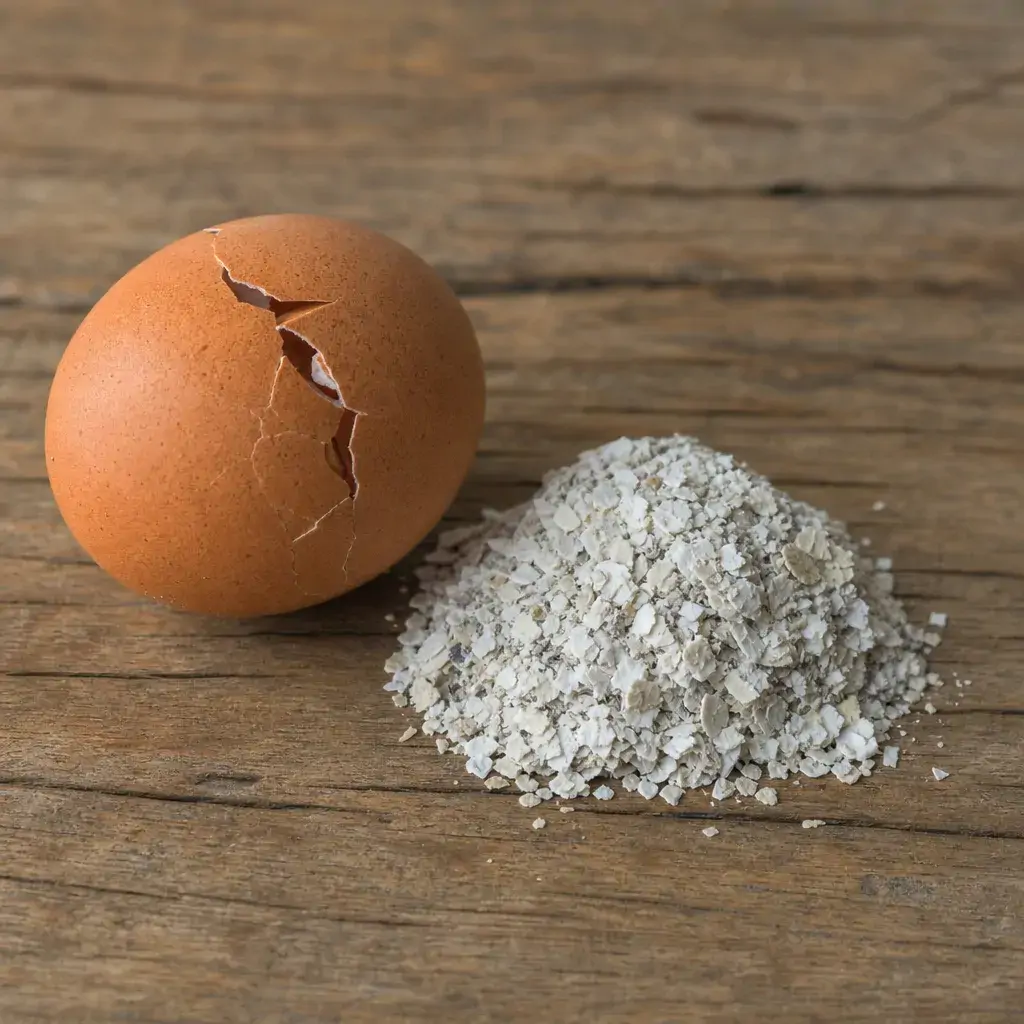
Because individual hens vary in how much calcium they need, most guidance recommends offering crushed oyster shell or limestone grit free-choice in a separate container. Hens self-regulate intake, and those laying heavily take more. Grinding oyster shell into the feed is less effective than offering it whole, since larger particles dissolve slowly overnight — exactly when the shell gland is working. Calcium cannot be absorbed efficiently from the gut without vitamin D3. Hens confined indoors year-round, flocks eating feed that has been stored past its expiration or kept in heat and humidity for months, and birds on homemade rations without a vitamin premix can all show shell defects despite adequate calcium on paper. Feed vitamins degrade over time, which is why most manufacturers suggest using feed within a few weeks of the mill date.
Heat Stress and Environmental Factors
Above roughly 85°F, hens pant to cool themselves. Panting expels carbon dioxide and shifts blood chemistry in a way that reduces the bicarbonate available for shell formation, and heat-stressed birds also eat less overall. Summer clusters of soft and thin shells are extremely common in US backyard flocks and typically improve when shade, ventilation, and cool water are improved. A predator scare, dog, rough handling, coop move, or sudden overnight light change can cause a hen to expel an egg before calcification finishes. Erratic artificial lighting is a frequent culprit, since shell deposition happens largely at night on a hormonal schedule tied to the light cycle. This kind of stress chicken egg production drop during these events is a normal response to disruption.
Excess calcium is also a problem. Overly high intake interferes with phosphorus, manganese, and zinc absorption and can produce chalky or rough shells. This is one reason calcium supplements are offered separately rather than mixed at high rates into feed, and why layer feed is not recommended for roosters, chicks, or non-laying birds.
New layers frequently produce a handful of odd eggs — shell-less, double-yolked, or tiny "fairy" eggs — during the first few weeks as hormonal signaling and the shell gland synchronize. This is widely considered normal and usually self-corrects. At the other end, shell thickness declines steadily with hen age: eggs get larger while the amount of calcium deposited stays roughly constant, spreading the same shell over more surface area. Thin eggshell troubleshooting in a five-year-old hen often ends with "age" as the answer.
Several pathogens are documented to damage shell quality, including infectious bronchitis virus, egg drop syndrome, avian influenza, Newcastle disease, and infectious laryngotracheitis. Disease-related shell defects tend to affect many birds at once, appear suddenly, and often come with pale, wrinkled, or watery-albumen eggs and a sharp production drop. Occasionally these disease-related defects also cause blood in chicken egg contents, which is another sign warranting prompt attention. Multiple hens laying soft or misshapen eggs in the same week — especially with coughing, sneezing, nasal discharge, swelling, or lethargy — is a sign a veterinarian or state poultry diagnostic lab should be contacted promptly.
Heavy worm or coccidia burdens reduce nutrient absorption. Some drugs and certain molds growing in damp feed or bedding are also known to interfere with shell formation. Feed that smells musty, is clumped, or shows visible mold should be discarded rather than fed.
Quick Reference: Matching Patterns to Likely Factors
| What Is Observed | Commonly Associated Factors | First Things to Review |
|---|---|---|
| One hen, occasional soft egg | Individual variation, new layer, one-off stress event | Age of bird, recent disturbances |
| Several hens, gradual thinning | Diet dilution, aging flock, vitamin D3 loss in stale feed | Feed label, feed age, treat volume |
| Sudden onset in hot weather | Heat stress | Shade, airflow, water temperature |
| Shell-less eggs found under the roost at night | Nighttime disturbance, immature shell gland | Lighting schedule, predator activity |
| Many hens at once, plus respiratory signs | Possible infectious disease | Veterinary consultation |
| Chalky or rough deposits | Excess calcium, shell gland timing disruption | Whether non-layers are eating layer feed |
When to Be Concerned and Consult a Veterinarian
Isolated soft eggs in an otherwise bright, active, well-fed hen are generally treated as a management question. Certain patterns, however, warrant professional input rather than home experimentation.
- Multiple birds affected within days — a flock-wide change in shell quality is a sign to consult a veterinarian or state diagnostic laboratory, since several reportable diseases affect shell formation.
- Respiratory signs alongside shell defects — coughing, sneezing, rattling breathing, swollen faces, or discharge accompanying odd eggs is a sign veterinary evaluation is needed.
- A hen straining, standing penguin-like, or repeatedly visiting the nest without laying — keepers often ask can chickens get egg bound in this situation, and it is a sign of possible reproductive obstruction that should be assessed by an avian veterinarian promptly.
- Abdominal swelling, sudden lethargy, pale comb, or refusing feed — these are signs an urgent veterinary examination is appropriate.
- Shell problems that persist after feed, calcium, and lighting have been reviewed — ongoing soft eggshell problems with no dietary explanation are a sign that a professional workup is the sensible next step.
Keeping simple written records — dates, number of eggs, which hens, weather, feed brand and mill date, and any recent changes — makes both self-assessment and a veterinary consultation far more productive. Related management factors are covered separately in discussions of how to offer calcium correctly and what happens to laying during molt.
In short, most soft shelled eggs causes trace back to a short list of manageable variables — calcium availability, vitamin D3, hen age, heat, and stress — while sudden flock-wide changes belong in the hands of a veterinarian. Reviewing feed labels, supplement access, and coop conditions systematically resolves the majority of cases without guesswork.