Bantam Chicken Breeds: A Complete Keeper's Guide
Bantam Chicken Breeds: A Complete Keeper's Guide
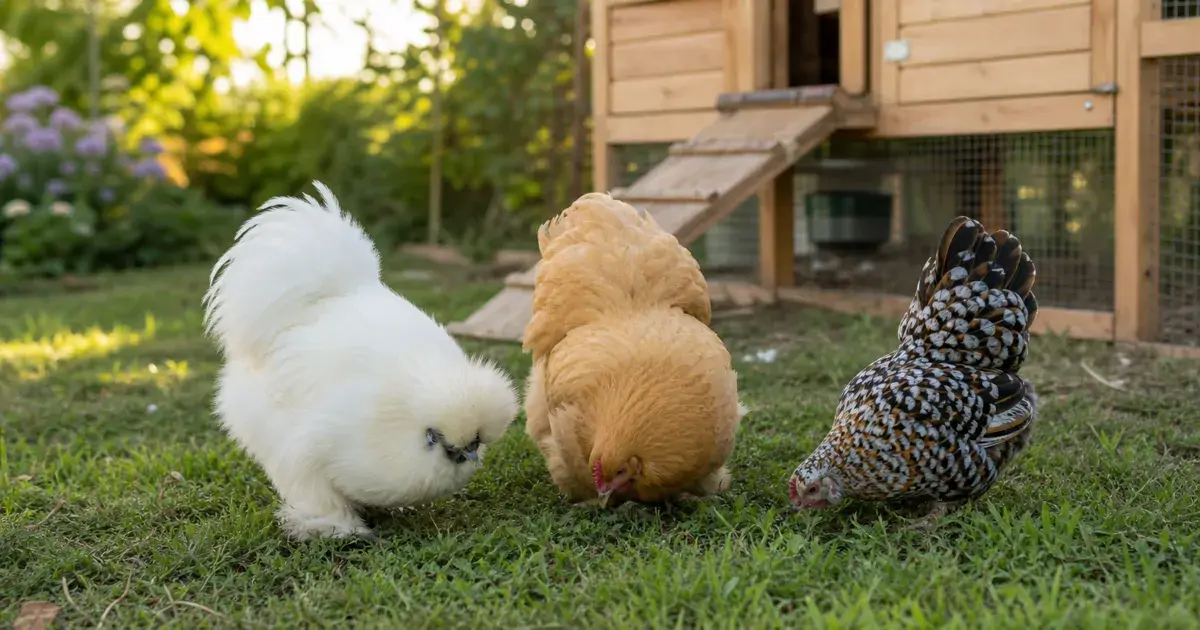
Ask ten backyard keepers why they added bantam chicken breeds to their flock and you'll get ten different answers: a small city lot, children who want a bird they can actually carry, a county fair entry, or simply the appeal of a hen that settles comfortably into one hand. Bantams are miniature chickens, usually somewhere between a quarter and a third the size of a standard-sized bird, and they fill a genuinely different role in a backyard than the large fowl most breed guides concentrate on.
That size difference ripples outward further than most people anticipate. Feed budgets, coop dimensions, fence height, hawk exposure, egg-basket math, and how a bird copes with a January cold snap all shift once the birds weigh under two pounds. Anyone working through chicken breed selection for a compact suburban yard eventually runs into bantams, and the decision usually comes down to whether the tradeoffs line up with the goal.
What follows is a closer look at what separates a true bantam from a scaled-down large fowl, which bantam breed types suit which situations, what to realistically expect from the eggs, and the management details — flight, brooding, mixed flocks, weather — that catch first-time bantam keepers off guard.
What Actually Makes a Chicken a Bantam
There is no single weight number that defines the category. "Bantam" is a size class rather than a breed, and the American Bantam Association organizes recognized varieties into groupings based largely on comb type and leg feathering — game bantams, single comb clean legged, rose comb clean legged, feather legged, and so on. In practical terms, a standard hen typically weighs four to eight pounds, while most bantam hens land between one and two pounds. Seramas, the smallest widely kept variety, are often well under a pound and a half.
The name itself traces back to the port of Bantam on Java, which European traders associated with the small fowl they encountered in Southeast Asia. That history is worth knowing for a practical reason: many of the oldest mini chicken breeds were developed in warm climates and were never selected for the body mass that helps a bird ride out a cold winter. Size is not only cosmetic. A one-pound hen has considerably more surface area relative to her body mass than a seven-pound hen, which means she loses heat faster and depends more heavily on dry bedding, draft-free housing, and a well-insulated roost. The same principle explains why lists of cold hardy chicken breeds skew toward heavy, tight-feathered large fowl.
True Bantam Breeds vs. Miniaturized Standard Breeds
This distinction is the single most useful thing a new keeper can learn about the category. true bantam breeds have no large-fowl counterpart at all — they have always existed only in miniature. Sebrights, Rosecombs, Dutch, Nankins, Belgian d'Uccles, Japanese, and Seramas fall into this group. Silkies belong here too as far as the American Standard is concerned, since the breed is recognized in the United States only in bantam size.
Miniaturized breeds are the other half of the picture: shrunken versions of familiar large fowl. Cochin, Wyandotte, Plymouth Rock, Orpington, Brahma, Rhode Island Red, and Leghorn all exist in bantam form. The practical payoff is predictability. A Wyandotte bantam generally carries the calm disposition and rose comb of the full-size bird, and a Leghorn bantam tends to be flighty, alert, and comparatively productive — just as the large versions are. If you already know what you like in a full-size breed, the miniature version is a low-risk way to keep that temperament in a smaller footprint.
True bantams, by contrast, need to be evaluated on their own terms. Their laying habits, broodiness, and hardiness don't map onto any larger relative, which is exactly why so much conflicting information circulates about them online.
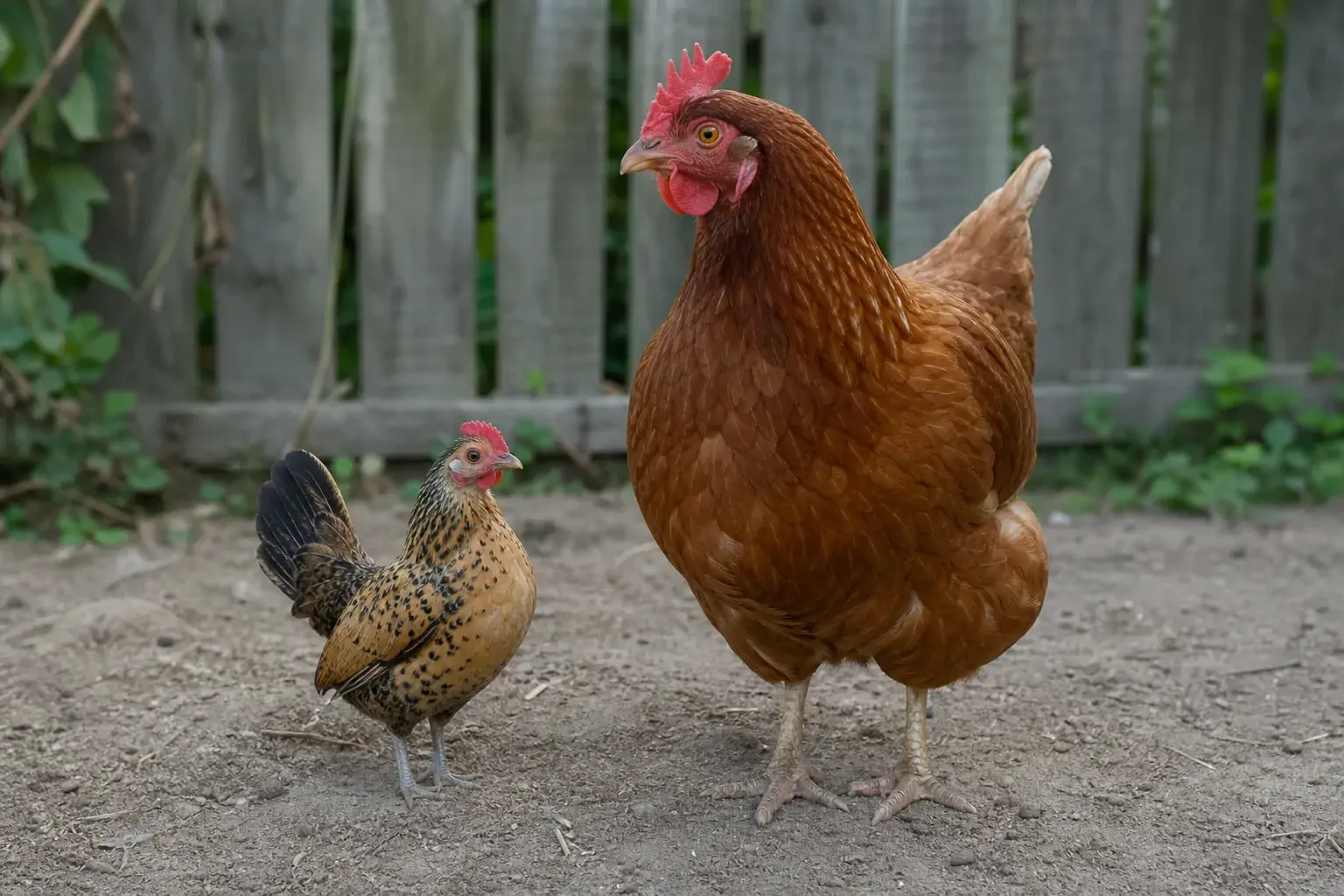
The economics deserve a mention too, because they're frequently oversold. A bantam eats roughly a third to a half of what a standard hen eats — often around two ounces of feed a day compared with four or more. That's a real saving, but it also means every bite counts more. Diluting the ration with scratch grains, bread, or table scraps has a larger nutritional impact on a bird eating two ounces than on one eating five, and thin shells or a stalled lay are common downstream results. Feeding a quality complete ration and keeping treats to a small share of the diet matters more with small chicken breeds, not less.
Space guidance follows a similar pattern. Many sources halve the usual recommendation to about two square feet of coop floor per bantam, which is reasonable for sleeping and nesting. Run space is a different question. Bantams are active, curious foragers with a strong flight instinct, and cutting the run proportionally tends to produce feather picking and squabbling rather than contentment.
Takeaway: Knowing whether a bird is a true bantam or a miniaturized large fowl tells you how predictable its behavior will be — and smaller birds need denser nutrition and more relative run space than the simple math suggests.
Bantam Breed Types and Standout Choices
There is no universal answer to which are the best bantam breeds, because the honest answer depends entirely on whether you want eggs, a broody foster mother, a show bird, or a docile pet for a family with young children. The table below gives approximate figures drawn from commonly published breed descriptions; individual birds and bloodlines vary considerably, and hatchery stock often lays better than exhibition stock of the same breed.
| Breed | Type | Approx. hen weight | Approx. eggs/year | Notable traits |
|---|---|---|---|---|
| Silkie | True bantam | 1.5–2 lb | 100–120 | Extremely broody, calm, five toes, black skin |
| Cochin (Pekin) bantam | True bantam / feather legged | 1.5–1.9 lb | 100–150 | Docile, heavily feathered feet, frequently broody |
| Belgian d'Uccle | True bantam | 1.4 lb | 100–150 | Beard, muffs, feathered legs, generally gentle |
| Wyandotte bantam | Miniaturized | 1.7 lb | 150–180 | Rose comb, steady temperament, reliable layer |
| Plymouth Rock bantam | Miniaturized | 1.8 lb | 150–200 | Hardy, friendly, consistent production |
| Old English Game bantam | True bantam | 1.4 lb | 100–140 | Alert, excellent forager, roosters can be assertive |
| Sebright | True bantam | 1.1 lb | 60–100 | Laced plumage, hen-feathered males, ornamental |
| Japanese (Chabo) | True bantam | 1.1 lb | 60–100 | Very short legs, upright tail, exhibition favorite |
| Serama | True bantam | under 1 lb | Irregular | Upright posture, tame, needs warmth and shelter |
Easygoing Bantams for Family and Mixed Flocks
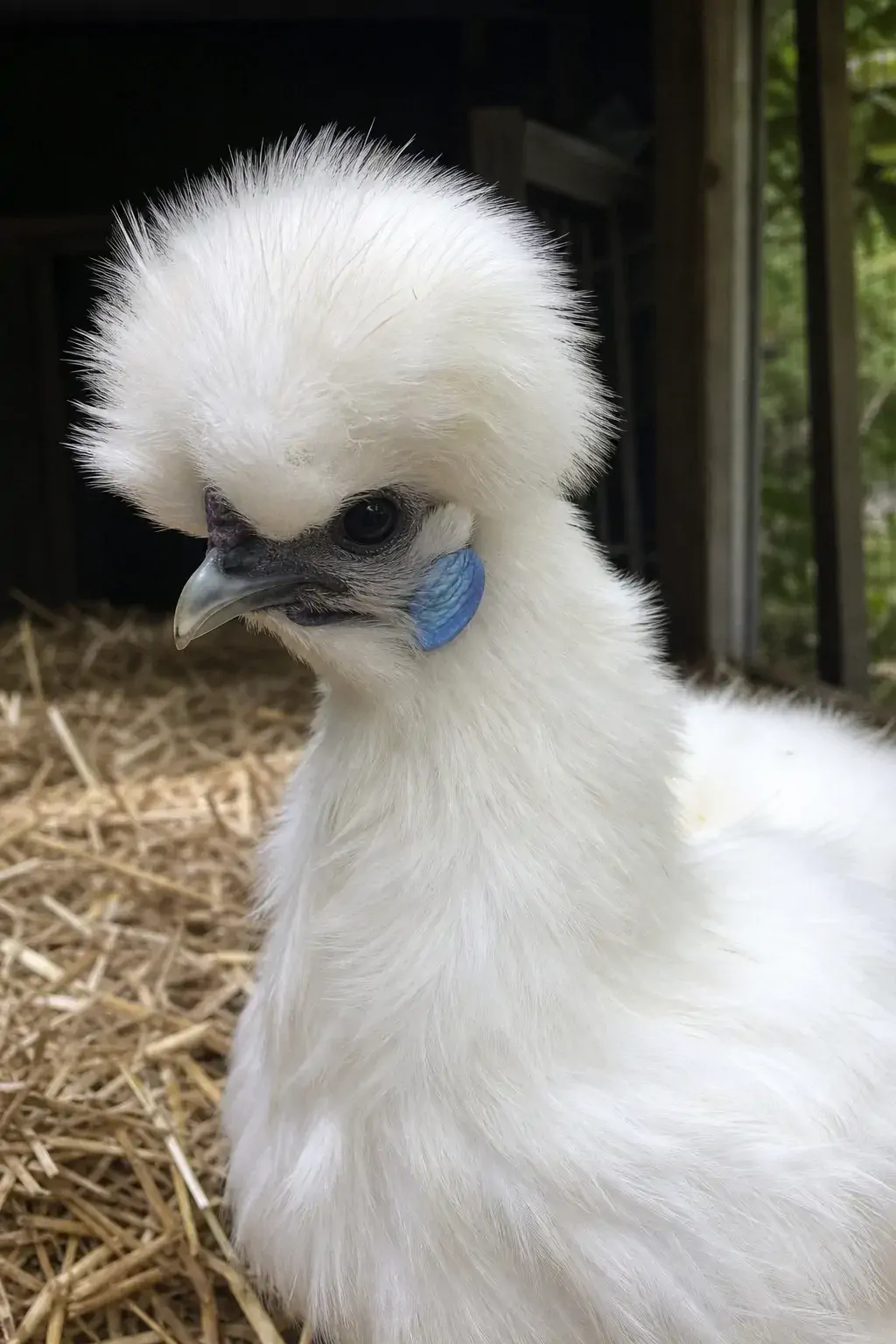
Silkies dominate this conversation for good reason. They are slow-moving, tolerate handling well, and go broody so readily that many keepers maintain a pair specifically to hatch and raise chicks from other birds. Their limitations are just as real: the plumage lacks the barbicel structure that makes ordinary feathers shed water, so a soaked Silkie chills fast, and a full crest can genuinely obstruct vision, which makes them easier prey and slower to spot a hovering hawk. Silkies also have a vaulted skull, meaning the top of the head is more vulnerable to injury from pecking than in most breeds.
Cochin bantams and Belgian d'Uccles offer similar gentleness with sturdier feathering, though their feathered feet demand attention. Muddy runs pack mud and manure into foot feathering, and in freezing weather that mud forms ice balls that a bird will pick at. Dry, well-drained footing is not optional for feather-legged varieties.
For keepers who want personality plus a decent egg return, the miniaturized utility breeds are underrated. Wyandotte, Plymouth Rock, and Orpington bantams behave much like their full-size relatives and tend to integrate into mixed flocks more confidently than delicate ornamentals. Articles rounding up the best chicken breeds for beginners rarely include bantams at all, which is a shame — a Rock bantam is about as forgiving a first bird as exists, provided the run is covered.
Ornamental and Exhibition Bantams
Sebrights, Rosecombs, Modern Games, Japanese, and Seramas are kept primarily for looks, and they reward the effort with genuinely striking birds. They also come with quirks that casual guides tend to skip over.
Sebrights are known for lower fertility and hatch rates than most breeds, partly because the hen-feathering gene in males affects mating behavior — a bloodline problem, not a keeper error. Japanese bantams carry the short-leg creeper gene, and when two short-legged birds are bred together roughly a quarter of the embryos are homozygous and fail to hatch. That's simply how the genetics work, and anyone planning to breed the variety should know it before setting eggs rather than after. Seramas, meanwhile, originate in tropical Malaysia and are the least cold-tolerant of the commonly kept varieties; in much of the United States they are effectively an indoor or heated-shelter bird through winter.
Large single combs and wattles on ornamental males also raise frostbite exposure in northern climates. Pale, blackened, or swollen comb tips after a hard freeze may indicate a problem and should be evaluated by a qualified professional.
Takeaway: Match the breed to the purpose — utility miniatures for eggs and easy integration, Silkies and Cochins for broodiness and handling, ornamentals only if you're prepared for their specific weak points.
Living With Bantams: Eggs, Housing, and Common Mistakes
Day-to-day management is where bantam keeping diverges most sharply from standard flock routines, and it's where most of the avoidable frustration originates.
Bantam Egg Production: What to Realistically Expect
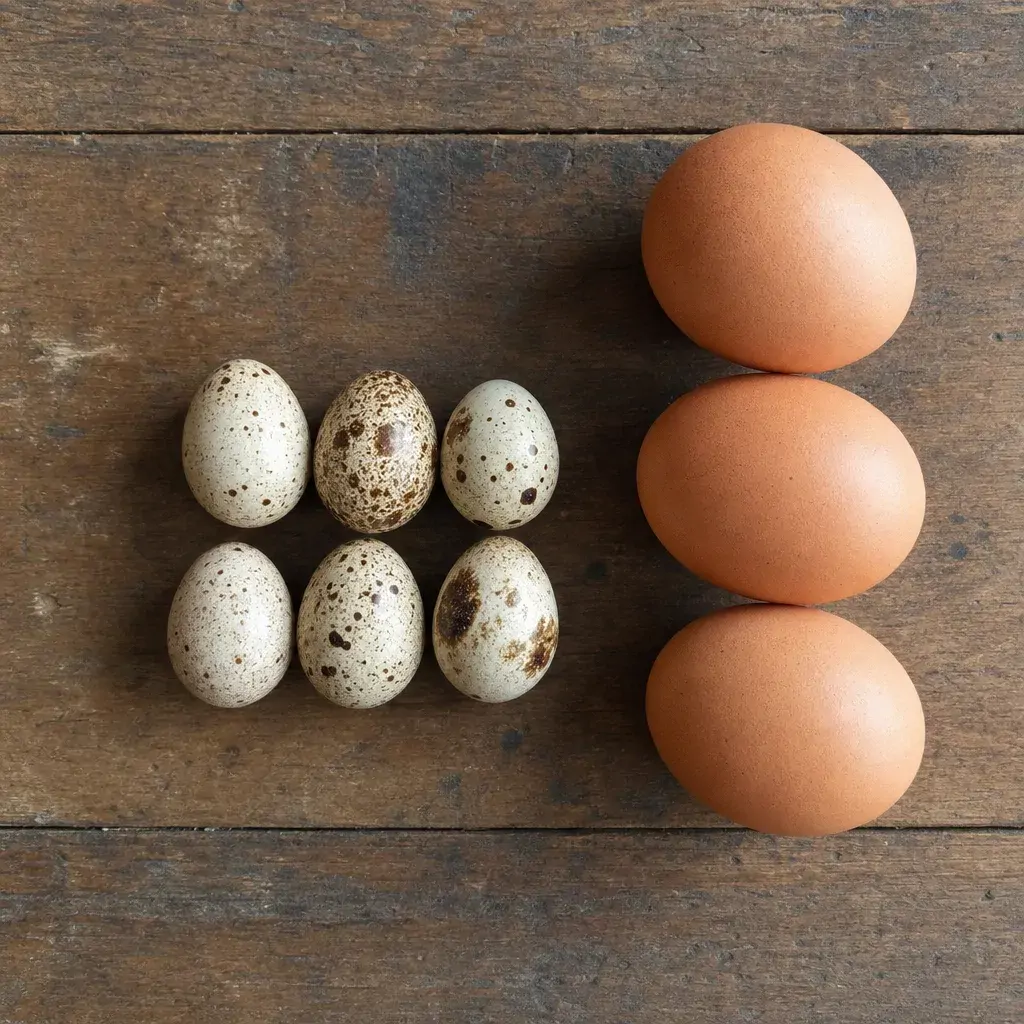
A bantam egg typically runs about half to two-thirds the volume of a standard large egg. Most cooks find that two to three bantam eggs substitute reasonably for two large eggs in baking, though weighing them is far more accurate than counting when a recipe is sensitive. The shells are usually thicker relative to size, and the yolk-to-white ratio tends to be higher — which is why many people insist bantam eggs taste richer, even though the difference is largely structural.
Annual totals vary enormously by breed. Utility-derived miniatures may lay 150 to 200 eggs a year, while heavily ornamental varieties may produce half that, and broody-prone breeds lose weeks of production every time they set. Realistic bantam chicken egg production planning means assuming interruptions: a Silkie that goes broody four times a season will not fill an egg carton on schedule no matter how good her housing is. Bantams won't compete with the best egg laying chicken breeds on sheer volume, and buying them expecting otherwise is the most common source of disappointment.
Winter laying deserves a note as well. Small birds have less reserve capacity, and many bantam hens simply stop entirely through the shortest weeks of the year, resuming as daylight lengthens. That's normal rather than a sign of poor management.
Flight, Predators, and Mixed Flocks
Bantams fly. Not marginally — many varieties clear a four-foot fence without effort, roost in trees given the chance, and appear on the neighbor's deck rail by mid-morning. Old English Game and Dutch bantams are especially athletic. Covered runs solve this permanently; wing clipping is a temporary workaround that has to be repeated after every molt and removes a bird's main escape option from a ground predator.
Small size also raises predator exposure across the board. Hawks that would struggle with a six-pound hen can take a one-pound bantam, and gaps in fencing that safely exclude standard birds may not exclude a bantam chick or a determined weasel. Hardware cloth with half-inch mesh, rather than chicken wire, is the practical standard for any run housing miniatures.
Mixed flocks work, but the details matter. Bantams almost always settle at the bottom of the pecking order, so multiple feeders and widely separated roost space reduce conflict. The more serious issue is a full-size rooster with bantam hens — the size mismatch can cause real injury during mating, and keeping bantam hens with only bantam males avoids the problem entirely.
Climate, Brooding, and Frequently Missed Details
Heat management follows familiar rules. The traits that define heat tolerant chickens at full size — large combs, tight feathering, lean active frames — apply just as well to bantams, which is why Old English Game and Rosecomb varieties handle Southern summers better than heavily feathered Cochins and Silkies. Shade, cool water, and airflow still do most of the work.
Raising bantam chicks brings its own set of surprises. They are genuinely tiny at hatch, capable of drowning in an ordinary open waterer, and small enough to slip through gaps that hold standard chicks. Brooding them alongside large-fowl chicks of the same age often ends badly, since the standard chicks outgrow them within days and trample or outcompete them at the feeder.
A short list of mistakes that come up repeatedly:
- Assuming a smaller bird needs proportionally less run space, then troubleshooting feather picking later.
- Using an uncovered run and losing birds over the fence or to aerial predators.
- Keeping bantam hens under a standard-size rooster.
- Filling standard-depth nest boxes with deep bedding that a small hen struggles to climb into.
- Assuming local ordinances treat bantams differently from large fowl — most municipal codes count birds, not pounds, and a bantam rooster still crows.
- Over-relying on scratch and treats with a bird whose total daily intake is only a couple of ounces.
Takeaway: Cover the run, house bantams with bantam-scale companions, and plan the egg supply around interruptions rather than steady output.
Choosing the Right Small Bird for Your Setup
The strongest case for bantam chicken breeds is fit. On a quarter-acre lot with a modest coop, three or four bantams cost less to feed, do less damage to a lawn, and are far easier for a child to handle than the same number of full-size hens — while still producing a usable, if smaller, supply of eggs. The strongest case against them is equally clear: if the goal is maximum eggs per square foot or any meat at all, standard breeds win outright, and dual purpose chicken breeds cover that ground far better.
Start by deciding what the birds are for, then work backward. Eggs and easy temperament point toward miniaturized utility breeds. Hatching and mothering point toward Silkies and Cochin bantams. Show ambitions point toward the true bantams, with the understanding that ornamental varieties carry specific vulnerabilities in cold, wet, or predator-heavy conditions. Choose on that basis and bantam chicken breeds tend to be one of the more rewarding directions a backyard flock can take.