Best Chicken Coop Locks for True Predator Protection
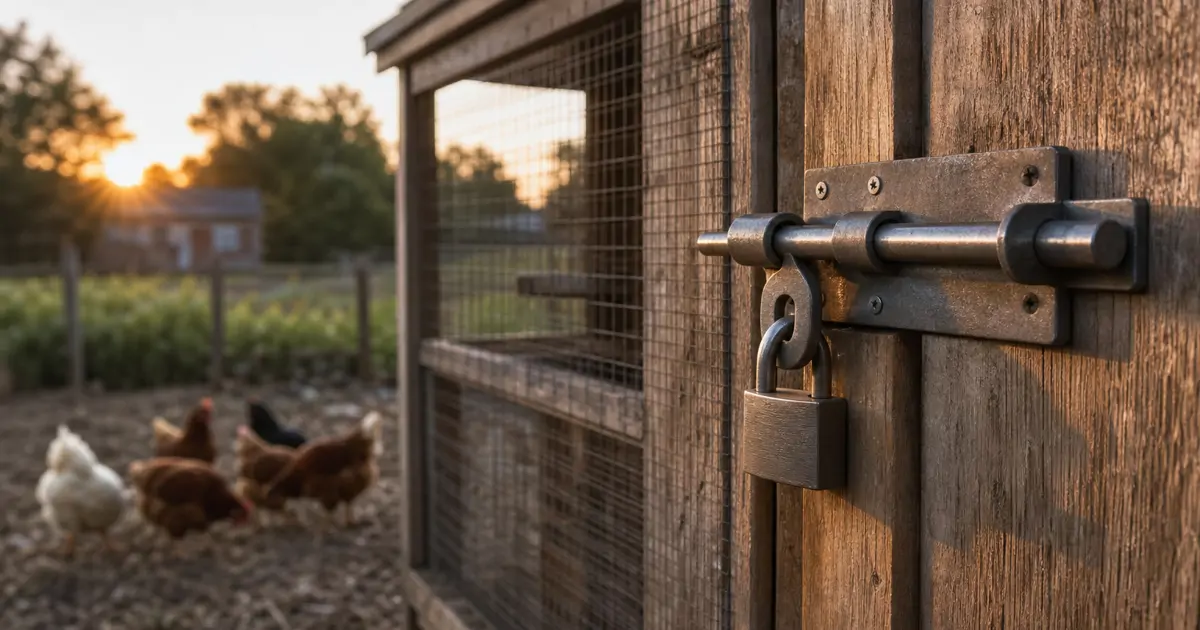
Best Chicken Coop Locks for True Predator Protection
Anyone who has kept chickens for more than a season eventually learns the same lesson: the coop itself rarely fails first. The door does. A sturdy hardware cloth enclosure and a well-built coop can still lose birds overnight if the latch holding the door shut is something a raccoon can flip open in under a minute. Choosing the right hardware for a chicken coop latch is one of those details that seems minor until it isn't, and by then it's too late.
This guide focuses specifically on the locking mechanisms themselves — not the fencing, not the burying of hardware cloth, but the actual point where a door meets its frame. Finding the best chicken coop locks isn't about buying the most expensive hardware store item available; it's about understanding what a predator can and can't physically manipulate. It's meant for keepers who already understand that predator proofing chicken coop structures requires more than good intentions, and who want to know which types of coop door lock hardware genuinely hold up against repeated pressure from determined animals.
By the end, you'll understand why certain common latches fail, how different lock types compare in practical terms, and what mistakes even experienced keepers make when securing a coop door.
Why Ordinary Latches Aren't Enough
Most coops sold commercially, and a surprising number of DIY builds, come with simple hook-and-eye latches, gravity latches, or basic slide bolts. These work fine for keeping a door from swinging open in the wind. They do almost nothing against an animal that is both strong and capable of manipulating small mechanisms with its paws.
The problem isn't strength alone. A determined predator doesn't need to break a latch — it just needs to figure out how it opens. That distinction matters enormously when picking predator proof locks, because raccoons in particular are less like brute-force attackers and more like opportunistic problem solvers.
How Raccoons Defeat Simple Latches
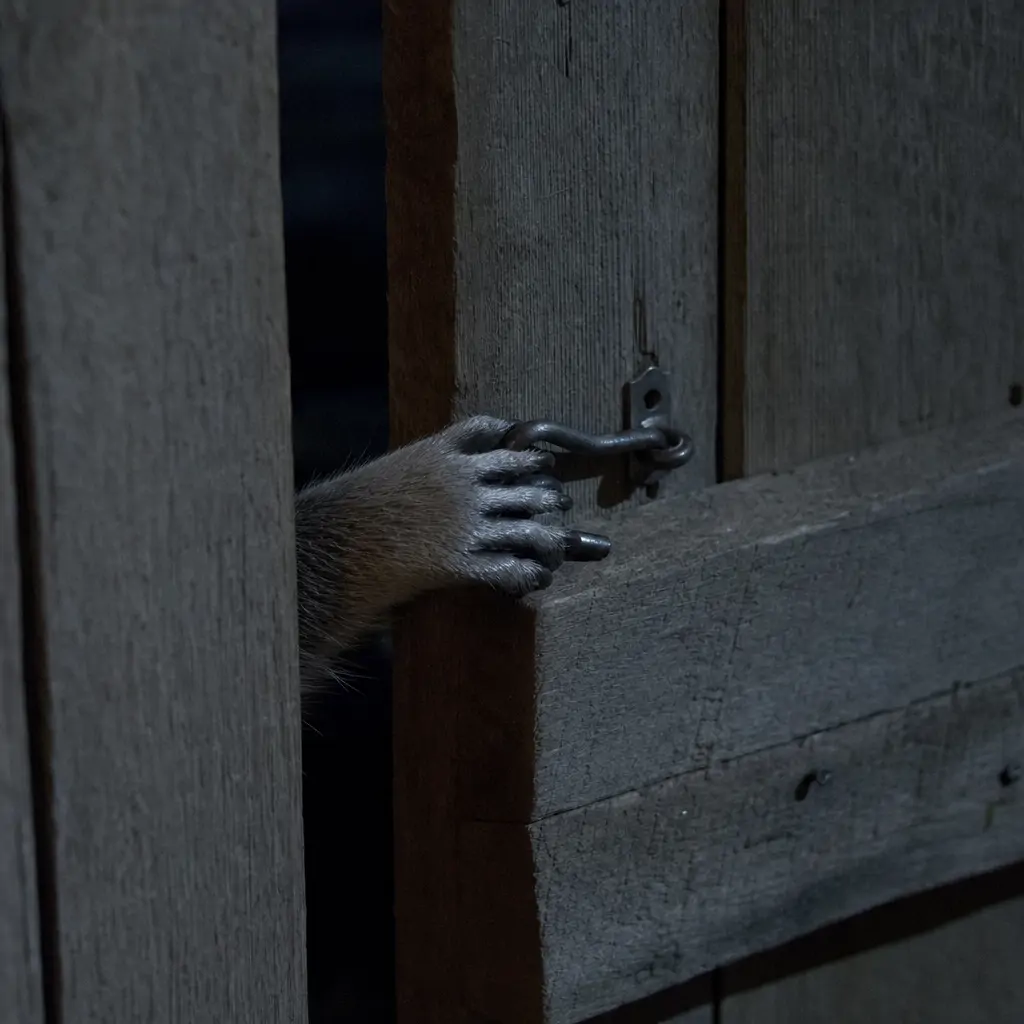
Raccoons have front paws with dexterity that rivals a small primate's. They can rotate wing nuts, lift simple hooks, and slide bolts that aren't pinned in place. A latch that a human opens with a flick of the thumb is often exactly the kind of mechanism a raccoon can defeat through repeated trial and error over several nights. This is one of the most frequently overlooked factors in coop security — keepers assume a locked door is a secure door, without considering whether the lock requires fine motor control that a predator simply doesn't have.
A genuinely raccoon proof lock needs at least one of the following: a component that must be lifted and pulled simultaneously in a way paws can't easily replicate, a spring tension strong enough to resist manipulation, or a physical barrier like a padlock that requires a key or combination a paw cannot turn. Locks that rely on a single, simple motion are consistently the ones that fail.
Comparing the Best Chicken Coop Lock Types
There isn't a single universally perfect lock, but some categories perform far more reliably than others in real-world conditions. The table below breaks down the most common options keepers consider when upgrading coop security.
| Lock Type | Predator Resistance | Ease of Daily Use | Weather Durability |
|---|---|---|---|
| Simple hook-and-eye | Low | High | Moderate |
| Gravity/slide latch | Low to Moderate | High | Moderate |
| Spring-loaded carabiner clip | High | Moderate | High |
| Sliding bolt with pin | High | Moderate | High |
| Keyed or combination padlock | Very High | Lower | Very High |
Spring-Loaded Carabiner Latches
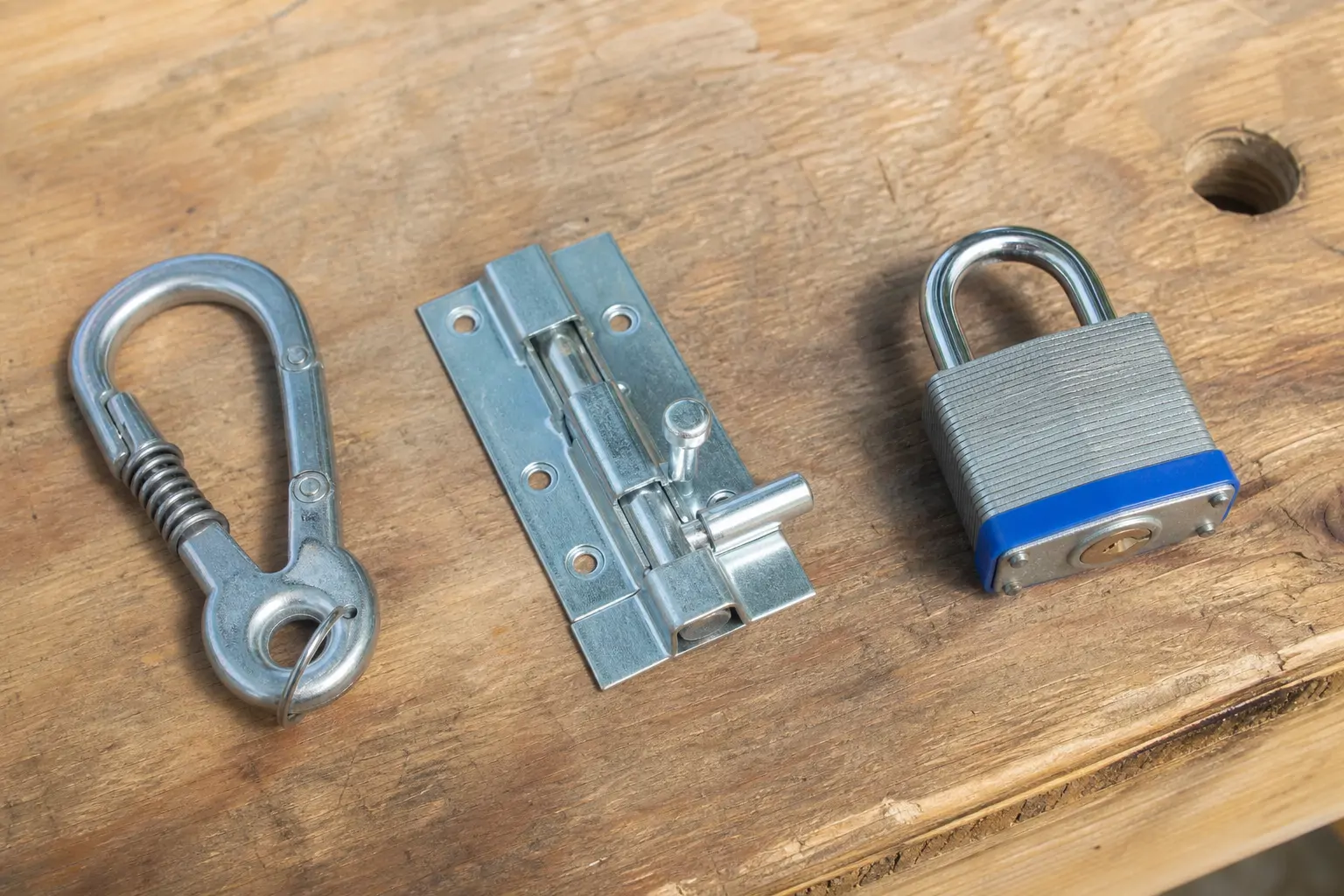
Carabiner clips, the kind used in climbing gear, have become popular add-ons for coop doors because they're cheap, weatherproof, and require a squeezing-and-pulling motion that's genuinely difficult for a paw to replicate. Clipping one through an existing hook-and-eye latch instantly upgrades a weak point without replacing the whole mechanism. The tradeoff is minor inconvenience for the keeper, since it adds an extra step to opening and closing the door each day. Many owners find this an acceptable cost given how much protection it adds for so little expense.
Sliding Bolt Locks with Pins
A sliding bolt on its own can be nudged open by a persistent animal, especially if there's any looseness in the mechanism. Adding a pin, eye bolt, or small padlock through the bolt's hasp transforms it into something considerably more secure. This combination is a common upgrade path because it uses hardware most keepers already have, layered with one additional locking point rather than a full replacement.
Combination and Keyed Padlocks
Padlocks represent the highest tier of predator proof locks simply because they require a mechanical key or a specific combination sequence — something entirely outside the physical capability of any backyard predator. The downside is practical rather than protective: fumbling with a key or a combination dial in the dark, in cold weather, with chickens underfoot, gets old fast. Many keepers compromise by using a keyed padlock on the main coop door while relying on a strong carabiner or pinned bolt for a secondary run door that's accessed less often.
Common Mistakes and Practical Considerations
Even keepers who invest in a quality lock sometimes undermine it through small oversights. One frequent mistake is mounting a strong latch on a door with weak or warped hinges — a predator that can't defeat the lock may still be able to pry or pull the door itself loose from its frame. The lock is only as good as the surface it's attached to.
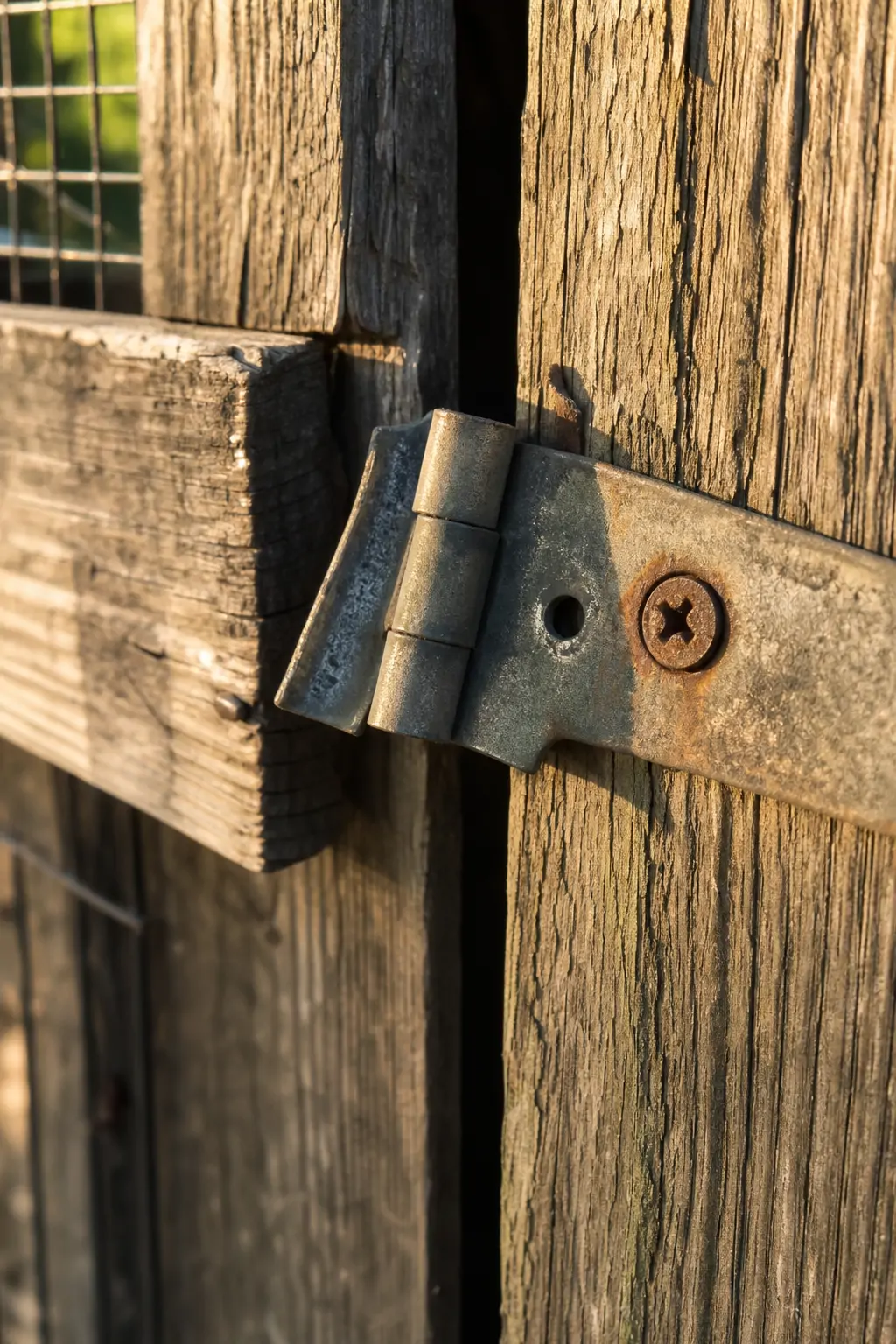
Another recurring issue involves door gaps. A latch can be flawless, but if there's a half-inch gap along the door edge, a raccoon's paw can reach through and manipulate the mechanism from the outside. This is why coop security tips often emphasize checking the fit of the door itself, not just the lock hardware bolted onto it.
It's also worth noting that locks degrade. Rust, warping wood, and repeated freeze-thaw cycles can loosen screws or corrode springs over months of exposure. A lock that worked perfectly when installed in spring may have enough play by winter to be compromised. Periodic inspection — tugging on the latch, checking screw tightness, testing the swing of the door — takes only a few minutes but catches problems before a predator does.
Finally, many keepers focus entirely on the main coop door and forget smaller access points: nesting box lids, feed doors, or ventilation panels large enough for a determined animal to pry open. Securing chicken coop entry points means treating every opening as a potential failure point, not just the obvious front door.
Practical Considerations for Multiple Predator Types
Different predators exploit different weaknesses, which is part of why relying on a single lock type across an entire coop can leave gaps. Raccoons manipulate mechanisms with their paws, foxes and dogs rely more on digging and prying with their jaws, and smaller predators like weasels exploit gaps rather than locks at all. A coop door lock that resists paw manipulation does nothing against an animal trying to force the door frame apart, which is why pairing a strong latch with solid hinges and a well-fitted frame matters just as much as the lock itself. This layered approach reflects a broader pattern seen across chicken predator defense strategies generally: no single measure works in isolation, and the strongest setups combine several imperfect defenses into one that's very hard to defeat.
Conclusion
There's no single lock that solves every predator problem on its own, but some categories consistently outperform others where it counts. Spring-loaded clips, pinned sliding bolts, and padlocks each solve the same core problem in different ways — removing the fine motor manipulation that lets raccoons and other clever predators defeat simple latches. Pairing the right lock with solid hinges, a tight door fit, and regular inspection closes most of the gaps that lead to losses.
Ultimately, the goal isn't finding one perfect product but building a door system where every component, from hinge to hasp to latch, is working against the same threats rather than leaving one weak link for a predator to find.